The Covid-19 pandemic was a disaster. Over a million Americans died — many in isolation in hospitals and nursing homes, far from their friends and family — and millions more became seriously sick, lost their jobs, or felt the effects of widespread economic and social disruption. Students suffered irreversible learning losses, with many exiting the public-school system altogether. Patients delayed or were denied health care unrelated to Covid-19, from cancer treatment to routine vaccination. Mental-health issues and domestic abuse spiked.
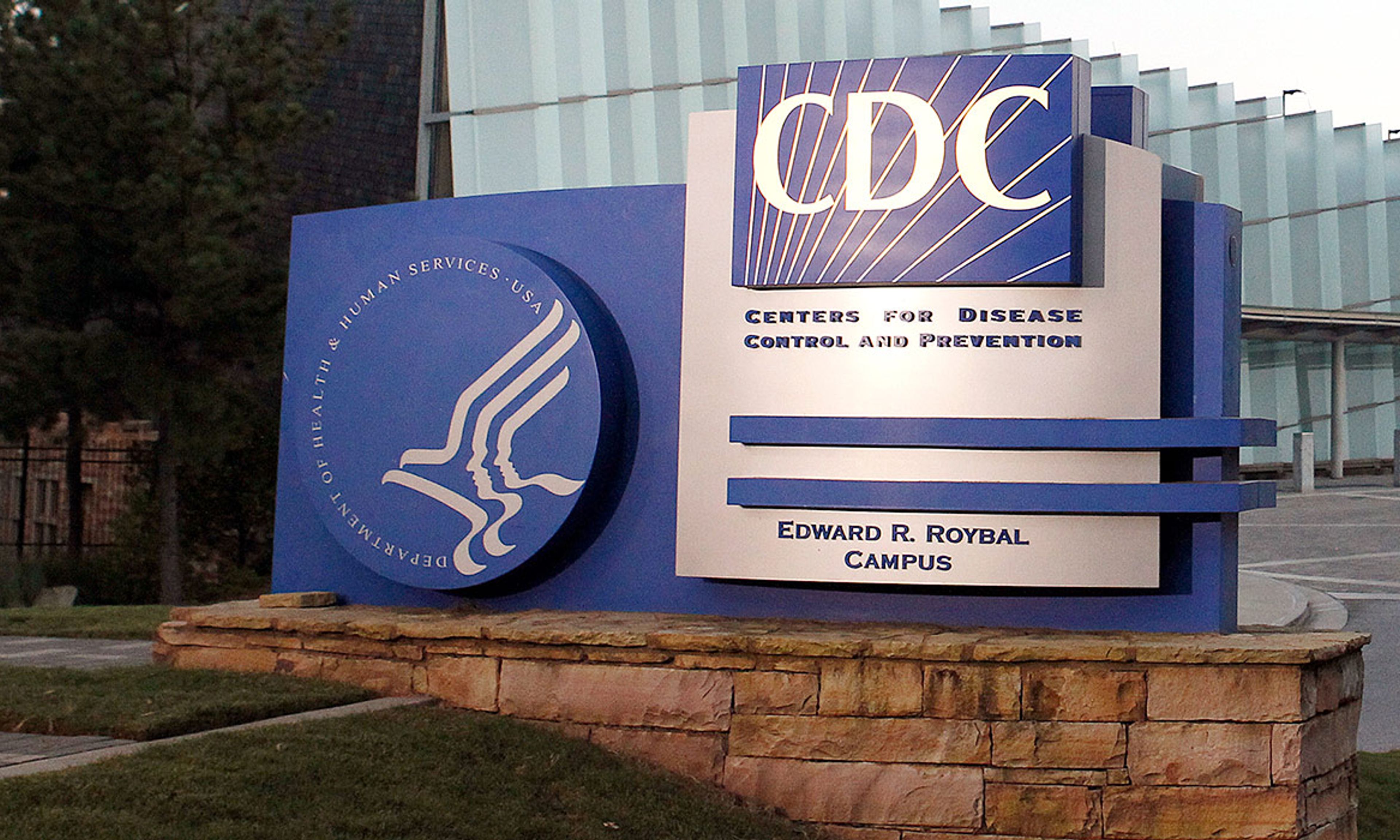
Federal, state, and local authorities frequently made confusing or contradictory policy decisions, leaving Americans bewildered and frustrated. In many places, churches and schools shuttered while bars and liquor stores remained open. The Centers for Disease Control and Prevention (CDC) was among the most prominent federal institutions at the center of this maelstrom. One of the agency’s key functions during the pandemic — and a source of much controversy — was to provide public-health guidance: advice to institutions and individuals about how to behave in response to the threat of a novel coronavirus.



Comments