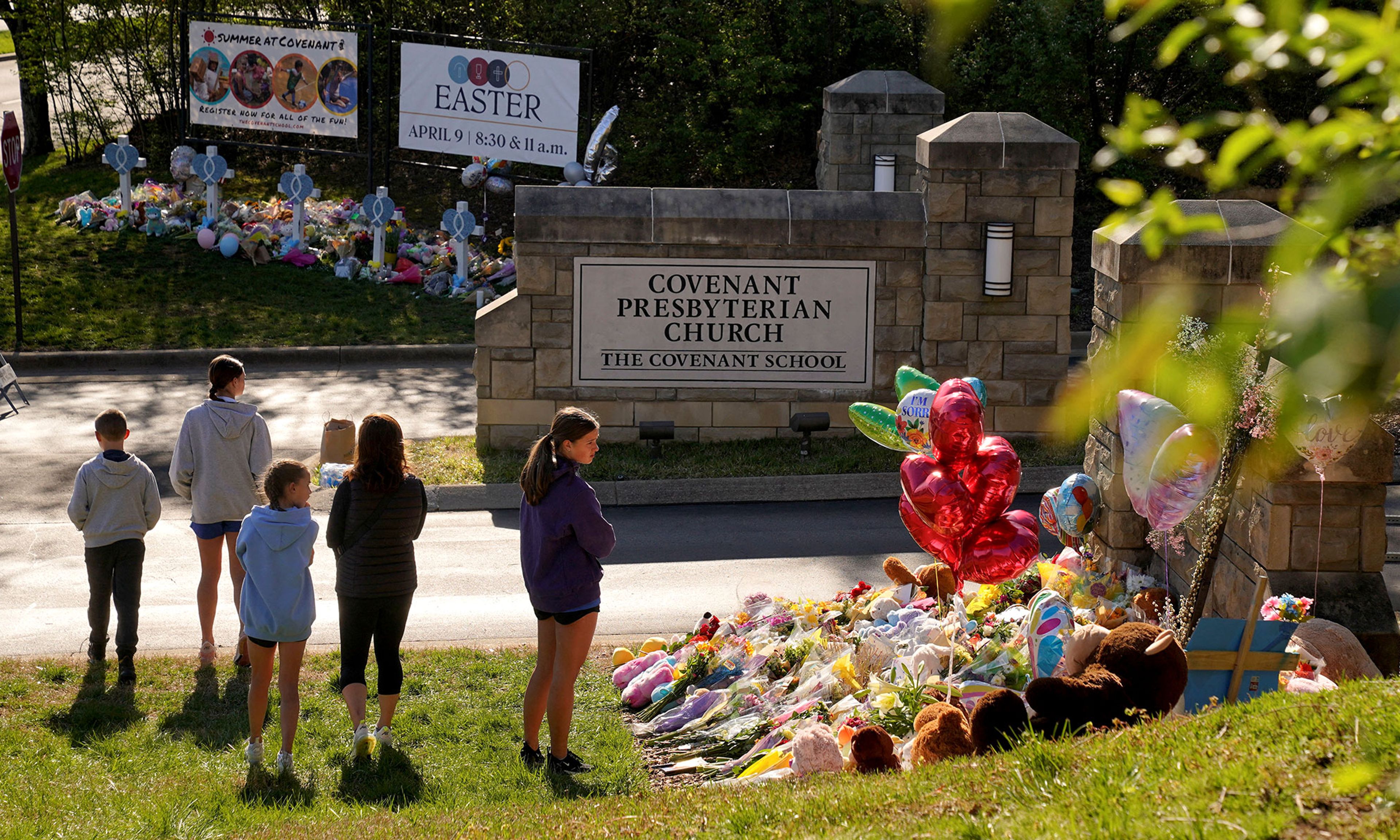
Four mass-casualty shooters in recent years — the Aberdeen/Perryman, Md., shooter, one of the two STEM School shooters in Denver, the Club Q shooter in Colorado Springs, Colo., and the Covenant School shooter in Nashville, Tenn. — were transgender or “non-binary,” and the Perry High School shooter in Iowa apparently aligned with the cause of trans advocacy. Just this week, police in Montgomery County, Md., arrested a transgender high-school student in connection with alleged threats to shoot up an elementary school. Remarkably, most of these individuals have been females, which is unusual considering that such shooters tend to be non-trans men.
To take the cases in order (relying for information mostly on this excellent account by Aleks Phillips for Newsweek): On September 18, 2018, trans-identifying female shooter Snochia Moseley walked into a pharmaceuticals distribution center in the Baltimore suburb of Aberdeen, shot three people fatally, and then shot herself in the head. According to a friend of the killer, “Moseley had suffered from bipolar disorder and depression . . . linked to feelings of rejection when Moseley had first come out as gay and later transgender.” The friend said, moreover, that “Moseley had begun receiving hormone therapy a year prior to the incident, and planned to undergo gender-reassignment surgery.”




Comments