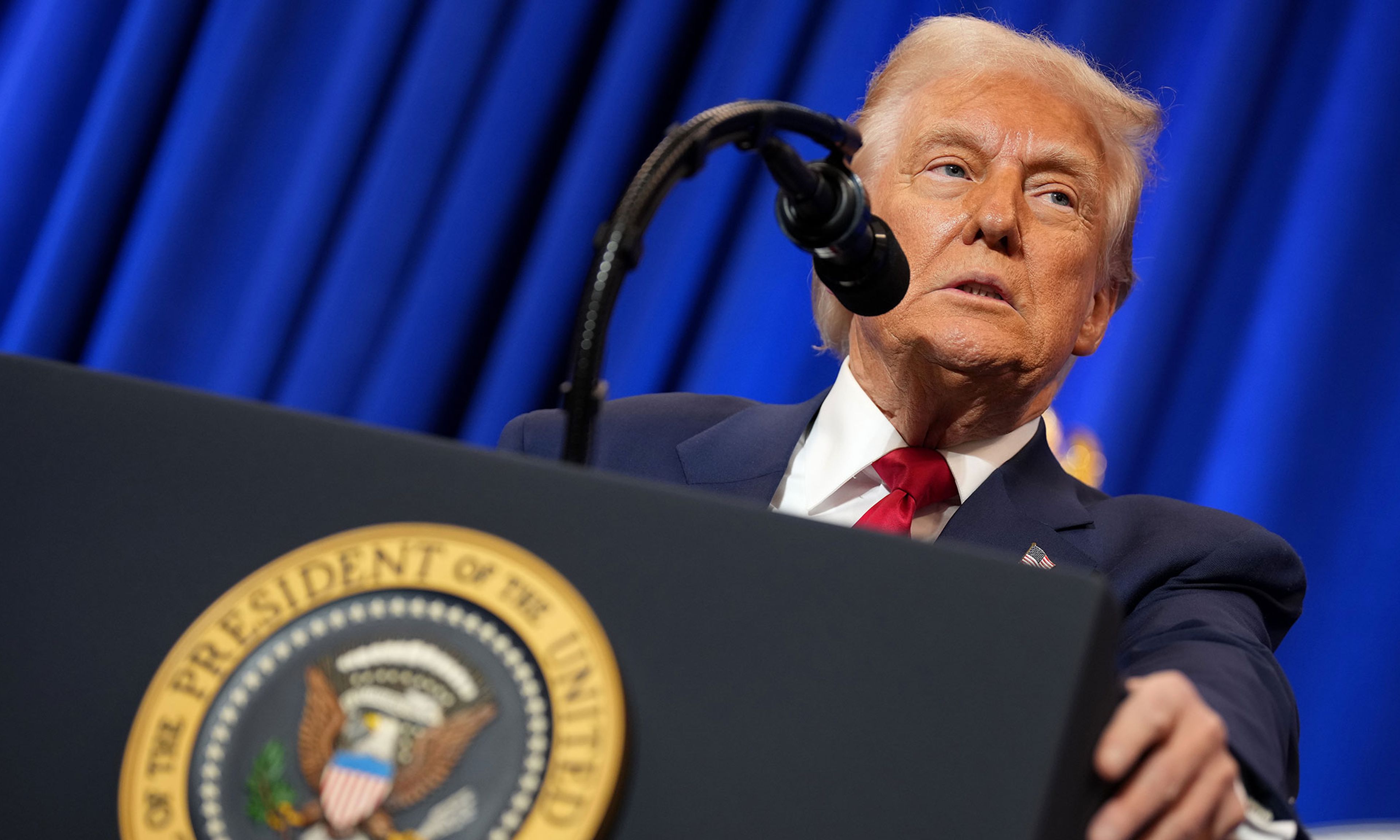
In two earlier posts (here and here), I’ve dealt with the facts of the controversy that has exploded over the Trump administration’s effort to deport hundreds of Venezuelan aliens who, prior to being flown on Saturday night from Texas to El Salvador (with a stop in Honduras), were detained in the United States on criminal and immigration charges.
The controversy is intensifying, with U.S. Chief Justice John Roberts having now publicly reprimanded the president after a social media post in which Trump called for the impeachment of Chief Judge James Boasberg of the U.S. District Court for Washington, D.C. — the judge assigned to a lawsuit brought on behalf of the Venezuelan detainees. (See our David Zimmermann’s report.) On Saturday evening, Boasberg, whom Trump labeled a “Radical Left Lunatic of a Judge, a troublemaker and agitator who was sadly appointed by Barack Hussein Obama,” issued the order directing a two-week pause in the deportations. He further admonished that any deportation flights that had already taken off were to be turned around, with the detainees returned to the United States. The flights were not turned around, and the judge has demanded an explanation, which the administration has so far declined to provide on “national security” grounds.





Comments