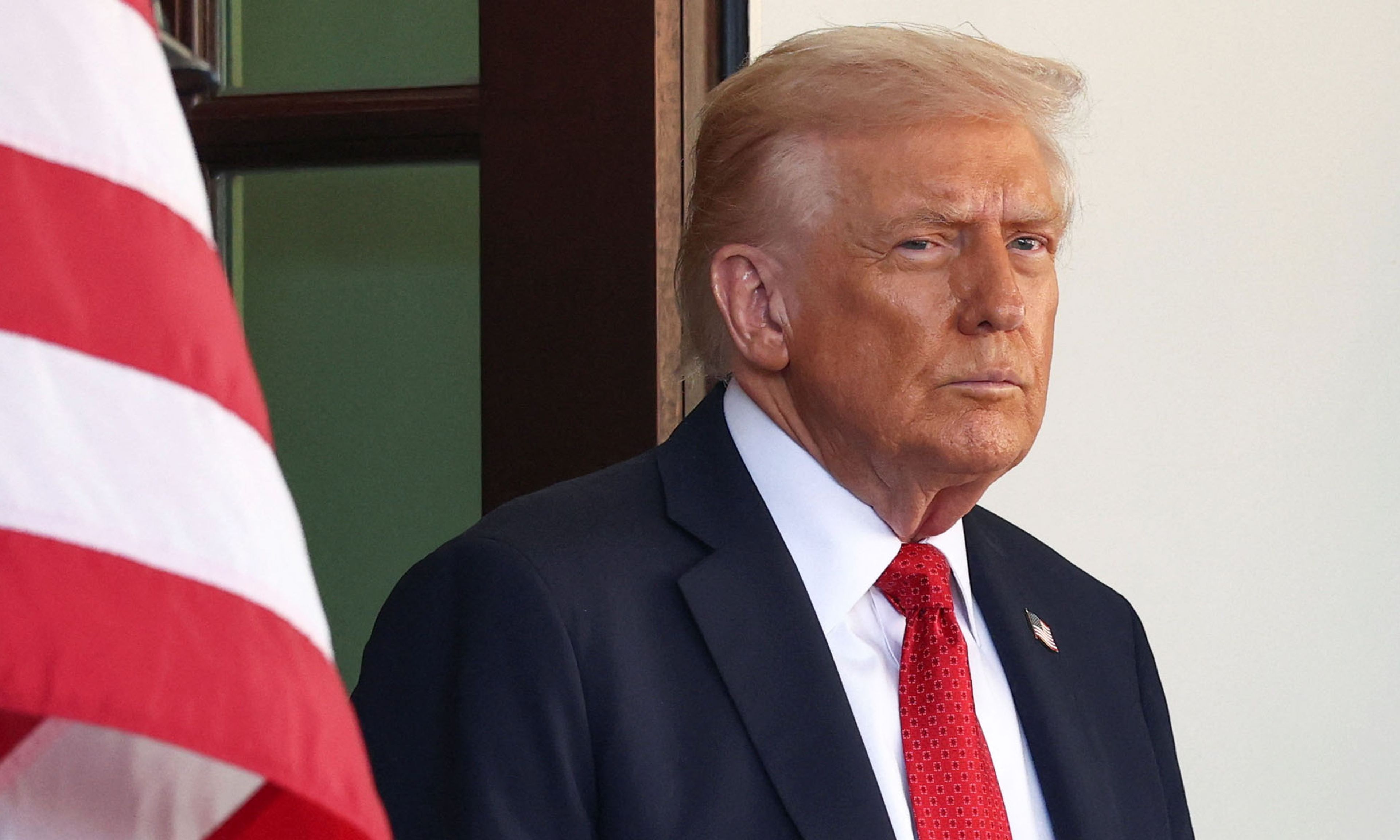
For nearly a quarter millennium, our nation had trundled along without an explicit acknowledgment that presidents have immunity from criminal prosecution for actions taken, however lawlessly, within the broad ambit of their executive power. Even the core of executive power. For today’s purposes, it doesn’t get any more core than the commander in chief’s power over the armed forces, expressly conferred by the Constitution (art. II, §2).
That changed in 2024, thanks to the combustible compound of Donald Trump’s lawlessness and the Democrats’ fanatical determination to address it by a constitutional anomaly: indictments of a former president, largely over his official acts as president. The result was the Supreme Court’s sweeping immunity ruling in Trump v. United States (July 1, 2024). And the result of that, it is no exaggeration to say, is the second Trump presidency.




Comments