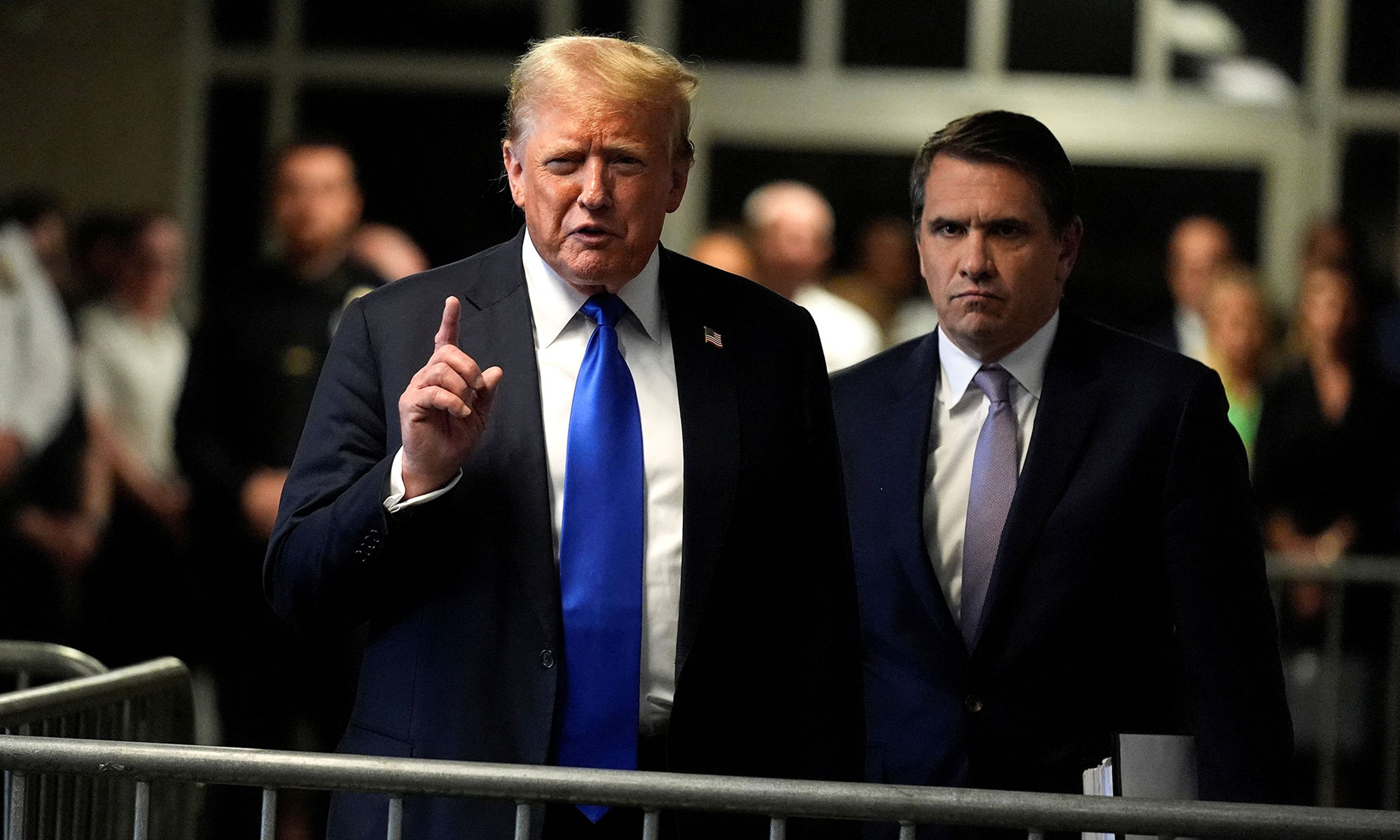
In yesterday’s column, I sketched out why I believe President-elect Trump’s Manhattan prosecution by District Attorney Alvin Bragg is going to be suspended for four years — i.e., until the end of Trump’s presidency, in January 2029. This seems like a near certainty to me now, having looked at competing proposals for next steps, the first in yesterday’s letter from DA Bragg to Judge Juan Merchan and the second in a letter that the president-elect’s lawyers sent Judge Merchan today. (I have not yet seen the letter, but there is a thorough report on it by Fox News’s Brooke Singman.)
Bottom line: Trump is making a new motion to dismiss the case, based in part on immunity principles. I don’t think the motion is legally meritorious. Nevertheless, it would assure that further proceedings before Judge Merchan would be suspended until Trump leaves office, presumably in 2029. That’s because of the schedules the parties have proposed for briefing, coupled with the fact that immunity rulings can be appealed immediately — meaning, once he denies the motion, as he is sure to do, Judge Merchan will not be able to sentence Trump or enter the formal judgment of conviction (the thing that would make Trump a convicted felon) until after Trump’s appeals of the dismissal motion have run their course.



Comments