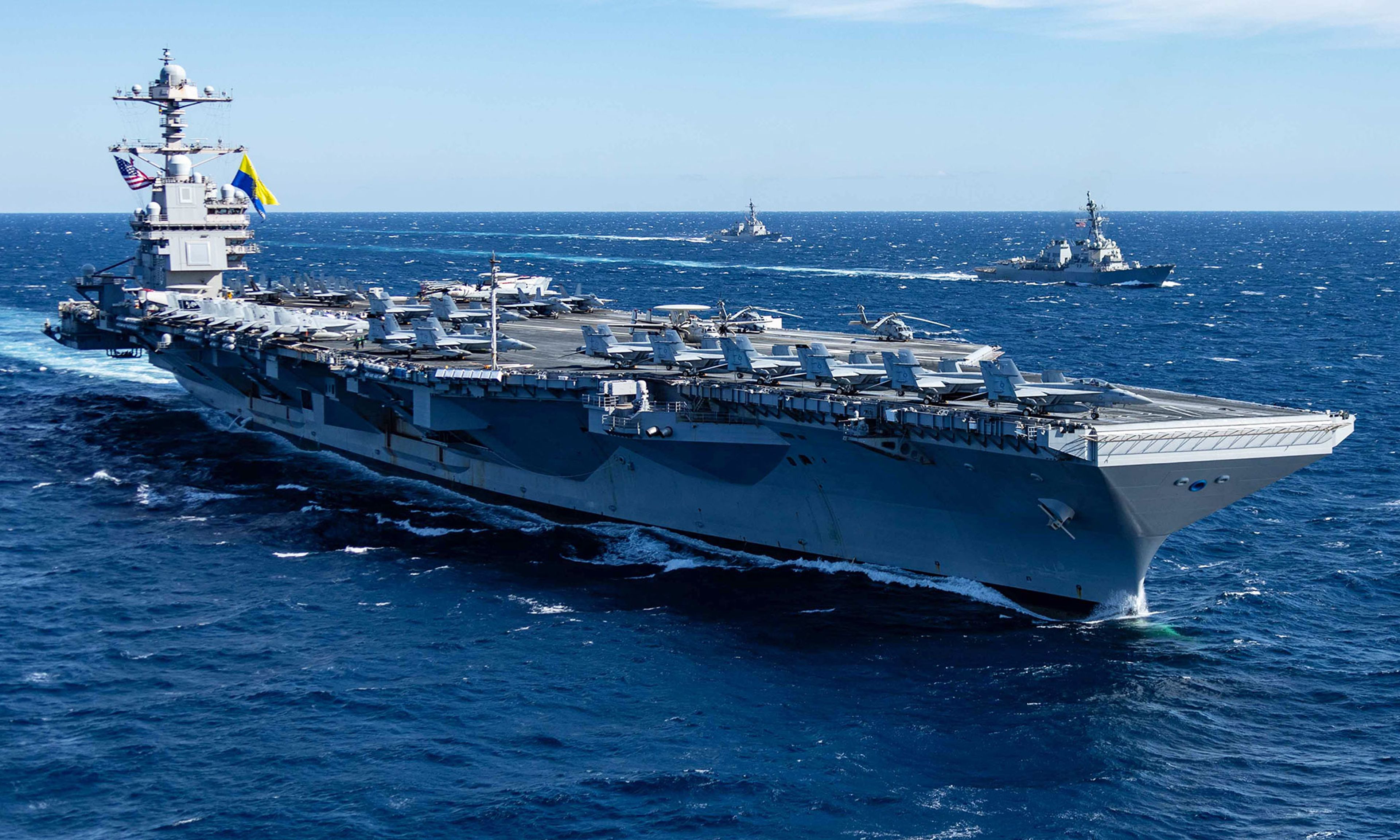
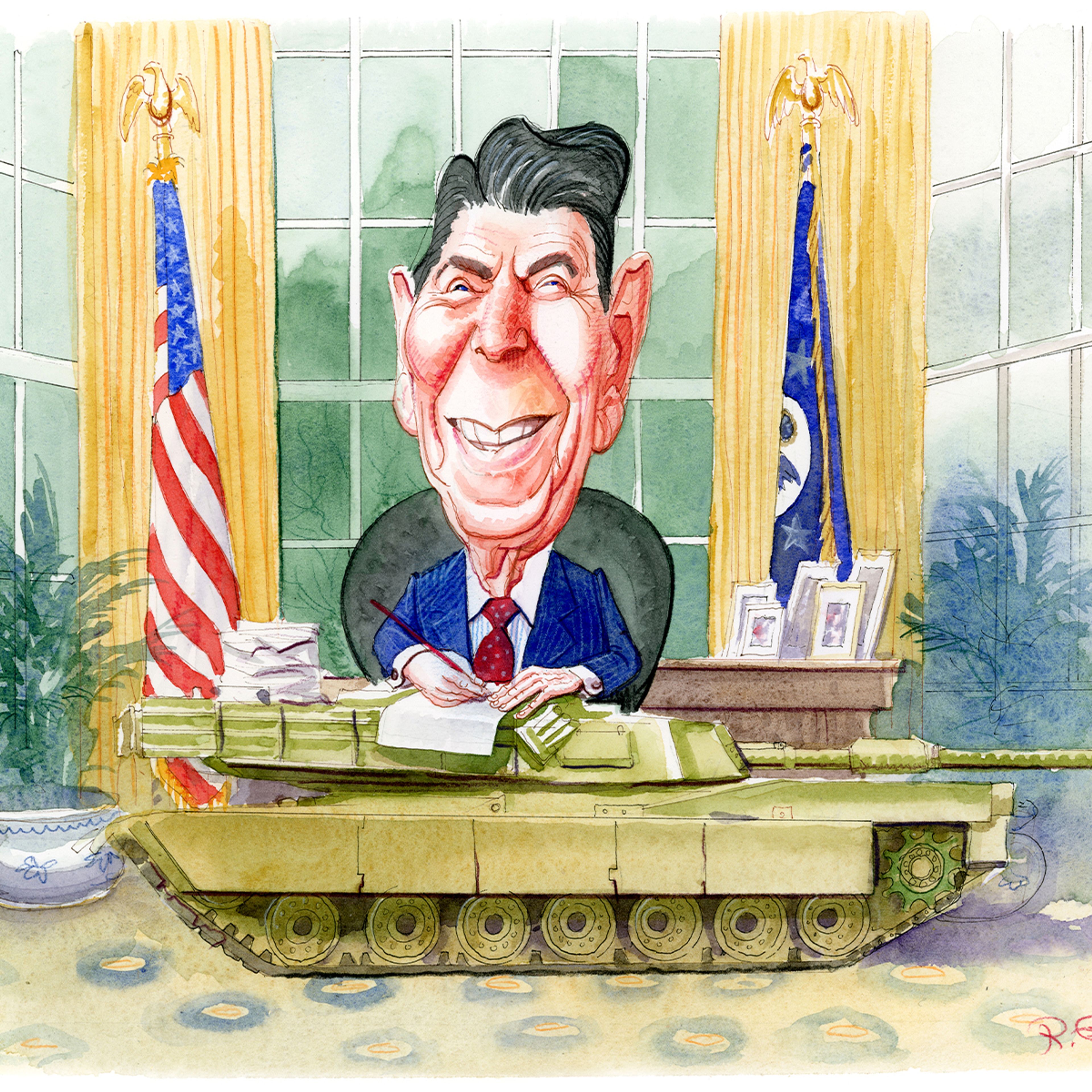
Donald Trump has returned to the White House at a particularly parlous moment for American interests. Russia’s assault on Ukraine is unrelenting, with a real chance of sliding into a broader European war. Israel has mauled key Iranian proxies, but the Islamic Republic retains the bulk of its long-range missile and drone arsenal and could well sprint for nuclear weapons. China is in the midst of the largest conventional and nuclear military buildup since the 20th century, with the obvious goal of gaining military superiority over the United States and ultimately absorbing Taiwan. A policy of Peace Through Strength — a return to traditional, muscular American foreign policy — is the best solution for America’s national-security predicament. If Mr. Trump is serious about shoring up the U.S.’s international position and restoring its credibility, he must work with Congress to raise the defense budget well past the $1 trillion mark.
The Biden administration dragged the United States into an intense global crisis, beginning with its withdrawal from Afghanistan. Biden’s foreign-policy team was convinced that the cost of maintaining a limited presence in the country was significantly greater than the benefit Biden would receive for ending America’s longest war. In the event, this calculation was horrendously incorrect. The Taliban toppled the Afghan government in a lightning offensive, while six months later, sensing American and European weakness, Russia invaded Ukraine.



Comments