In the autumn of 2025, the United States grapples with the aftershocks of a bitterly contested 2024 election. Protests erupt over policy and the legitimacy of electoral outcomes, driven by partisan animosity that has turned public discourse into a battlefield. A Gallup poll from late 2024 found that 80 percent of Americans perceive their society as greatly divided, highlighting a nation fracturing along ideological fault lines. Polarization shapes consumer choices and interpersonal trust, with Republicans and Democrats drifting further from the political center than at any point in three decades. Against this backdrop, William F. Buckley Jr.’s 1990 manifesto Gratitude: Reflections on What We Owe to Our Country stands as a prescient guide.
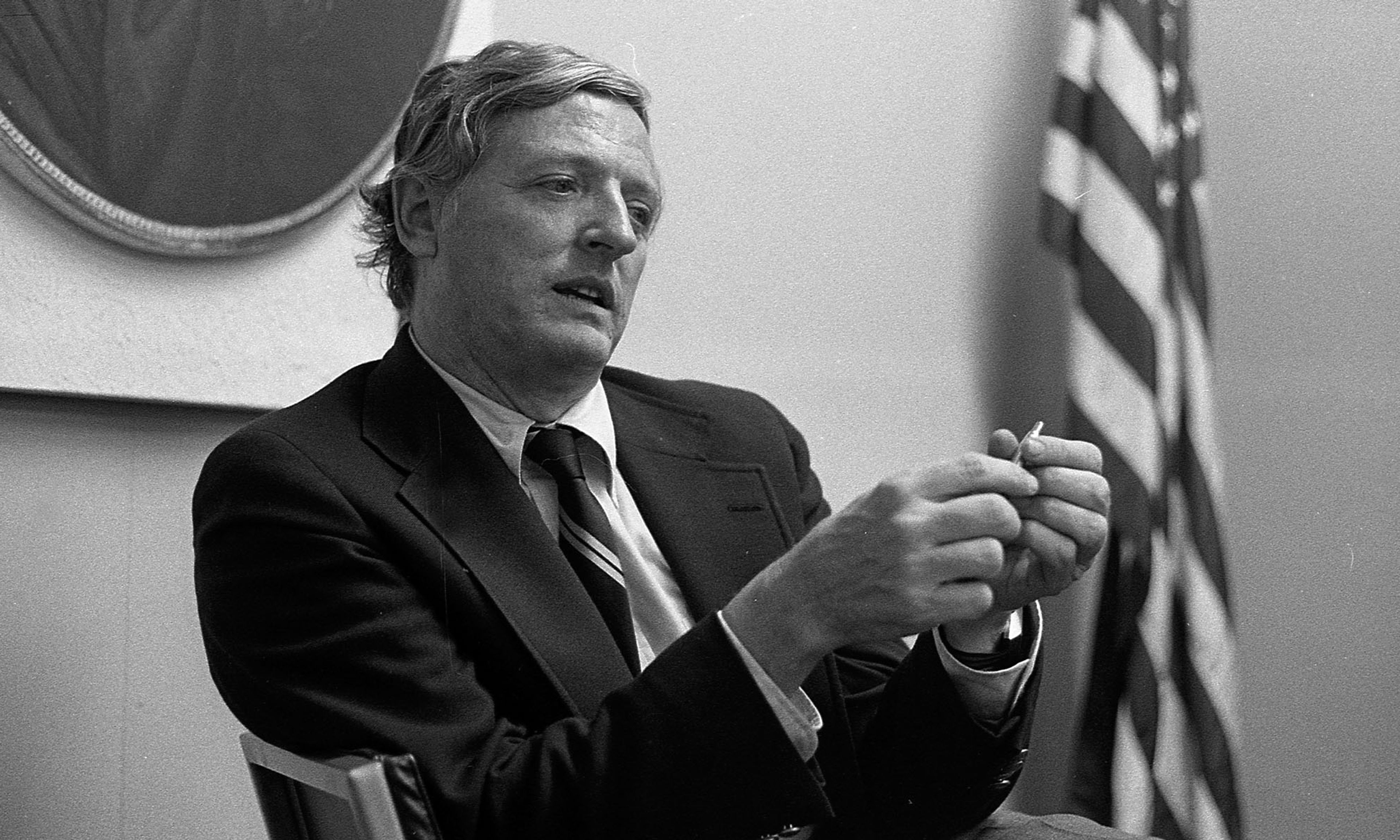
Buckley, the founder of National Review and a World War II veteran, argued that young Americans owe their nation a civilizational patrimony composed of the liberties, institutions, and cultural inheritance forged by their forebears. He maintained that the fitting repayment is a year of voluntary national service. In this essay on the theme of gratitude, he wrote, “I postulate that we do owe something. To whom? The dead being beyond our reach, our debt can only be expressed to one another, but our gratitude is also a form of obeisance, yes, to the dead.” This echoes Edmund Burke’s insight that the social compact is made not only with the living but also with those long dead and with those yet to be born. As the nation faces economic precarity, youth disillusionment, and a burgeoning eldercare crisis, Buckley’s call resonates powerfully. His vision of decentralized, incentive-driven service, which combines individual responsibility with communal mutual obligation, offers a path to restore frayed civic bonds and foster the gratitude essential for republican survival.



Comments