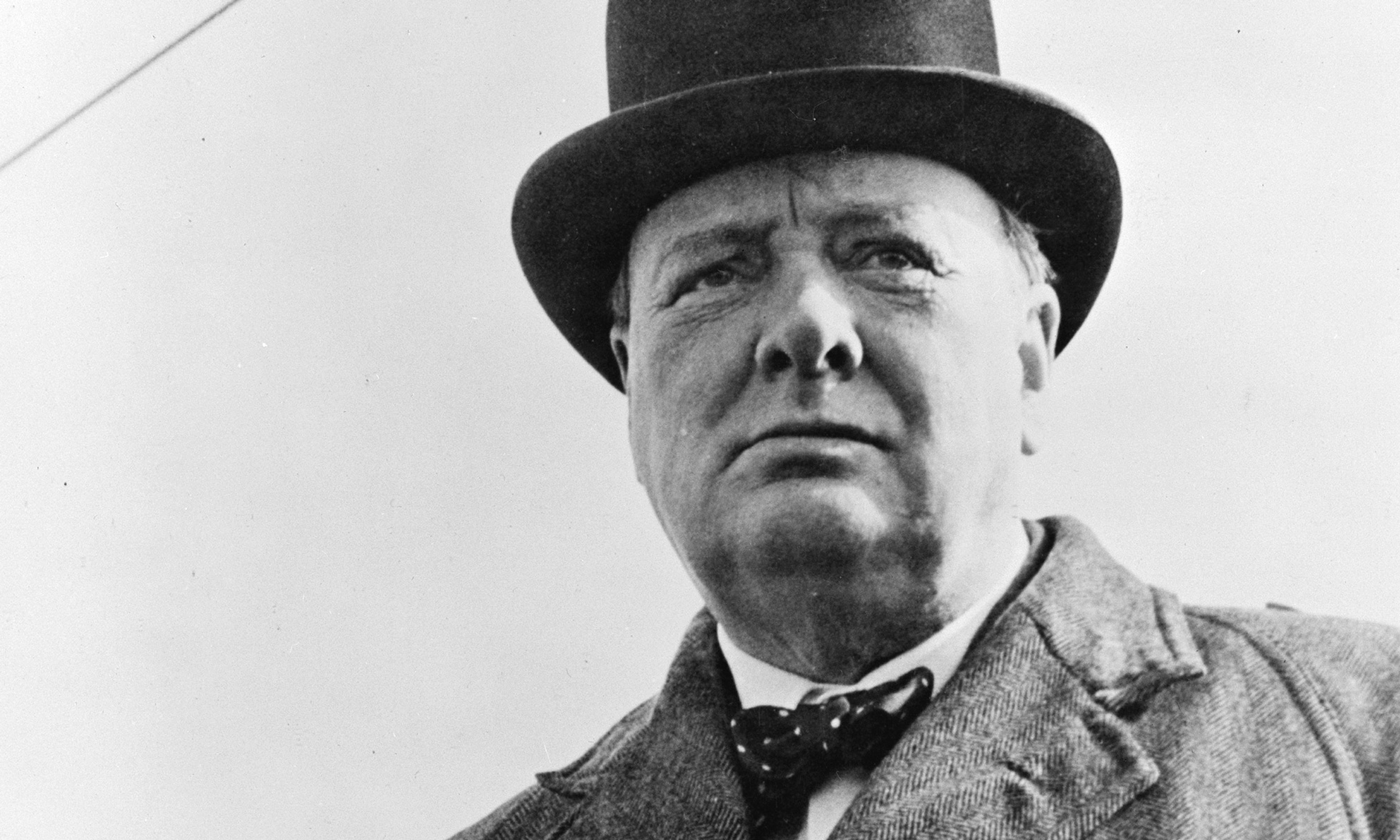
On July 4, 1918, Winston Churchill chaired a meeting in London to deliver a message to the American people celebrating their Independence from Great Britain: “[We] rejoice that the love of liberty and justice on which the American nation was founded should in the present time of trial have united the whole English-speaking family in a brotherhood of arms.”
Churchill, then serving as Britain’s minister of munitions, had good reasons to be grateful for the United States. After four years of slaughter in the First World War, over 900,000 British soldiers lay dead — and Britain and her allies were hardly any closer to declaring victory than when the conflict had begun. The French army was demoralized, the Italians were in disarray, and the Russian army had collapsed. A few months earlier Churchill warned that the entire Allied cause was in peril. But the arrival of the American Expeditionary Force in France in the summer of 1918 made the defeat of German despotism almost inevitable.




Comments