Within weeks after Nazi Germany invaded Poland, on September 1, 1939, triggering the Second World War and throwing the survival of Western civilization into doubt, Oxford scholar C. S. Lewis delivered a sermon at St. Mary the Virgin Church urging his audience to maintain “an intimate knowledge of the past.” Without such knowledge, he warned, they would be vulnerable to “the great cataract of nonsense that pours from the press and the microphone” of their age.
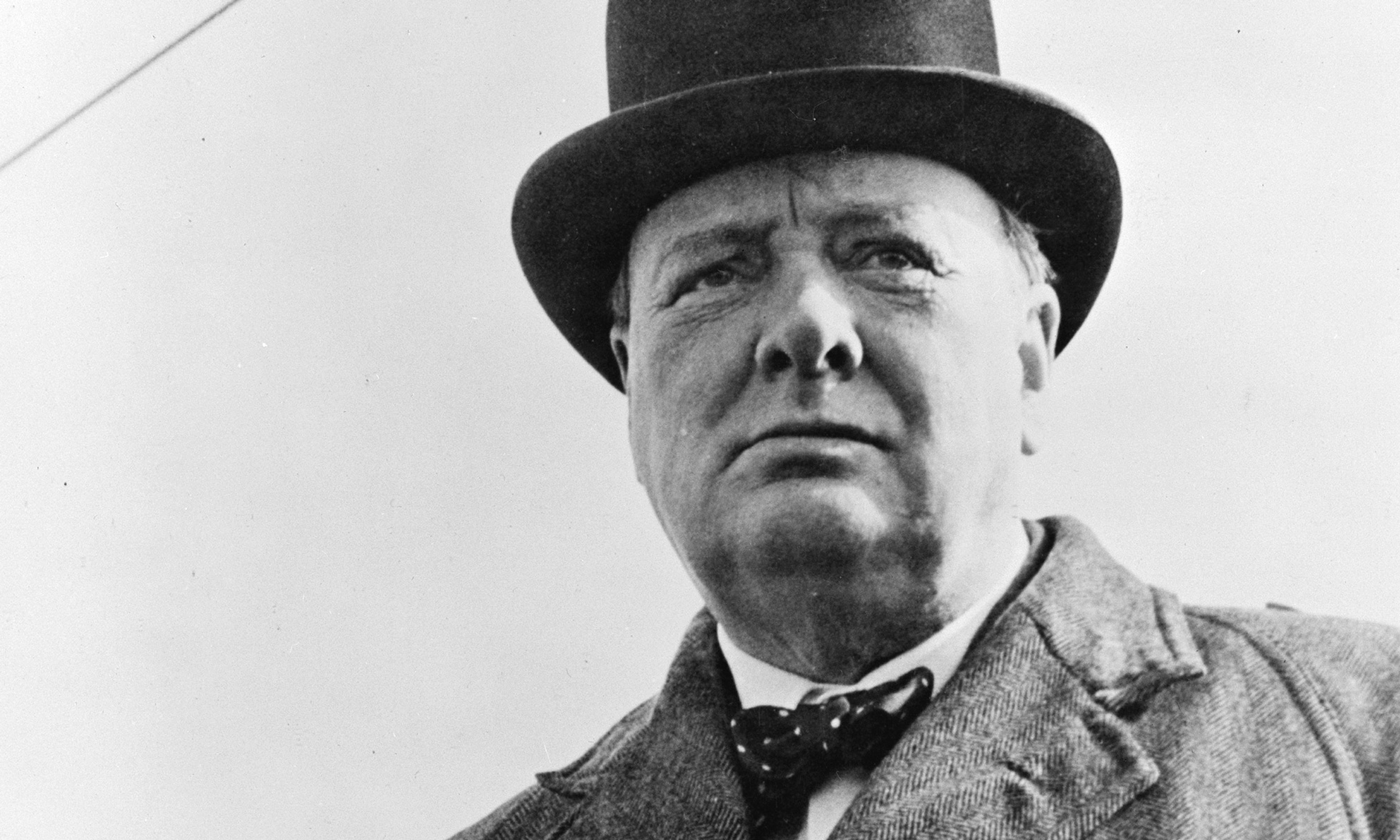
Those words have become a prophecy. Last week we observed the 75th anniversary of the end of World War II, but the high priests of our cancel culture do not even dimly perceive what was at stake and how our civilization ultimately survived. They do not understand that Nazism was first dealt a serious blow — perhaps an ultimately fatal one — because of the fierce resistance of the British people at a moment of existential crisis, led by a prime minister of indomitable courage.





Comments