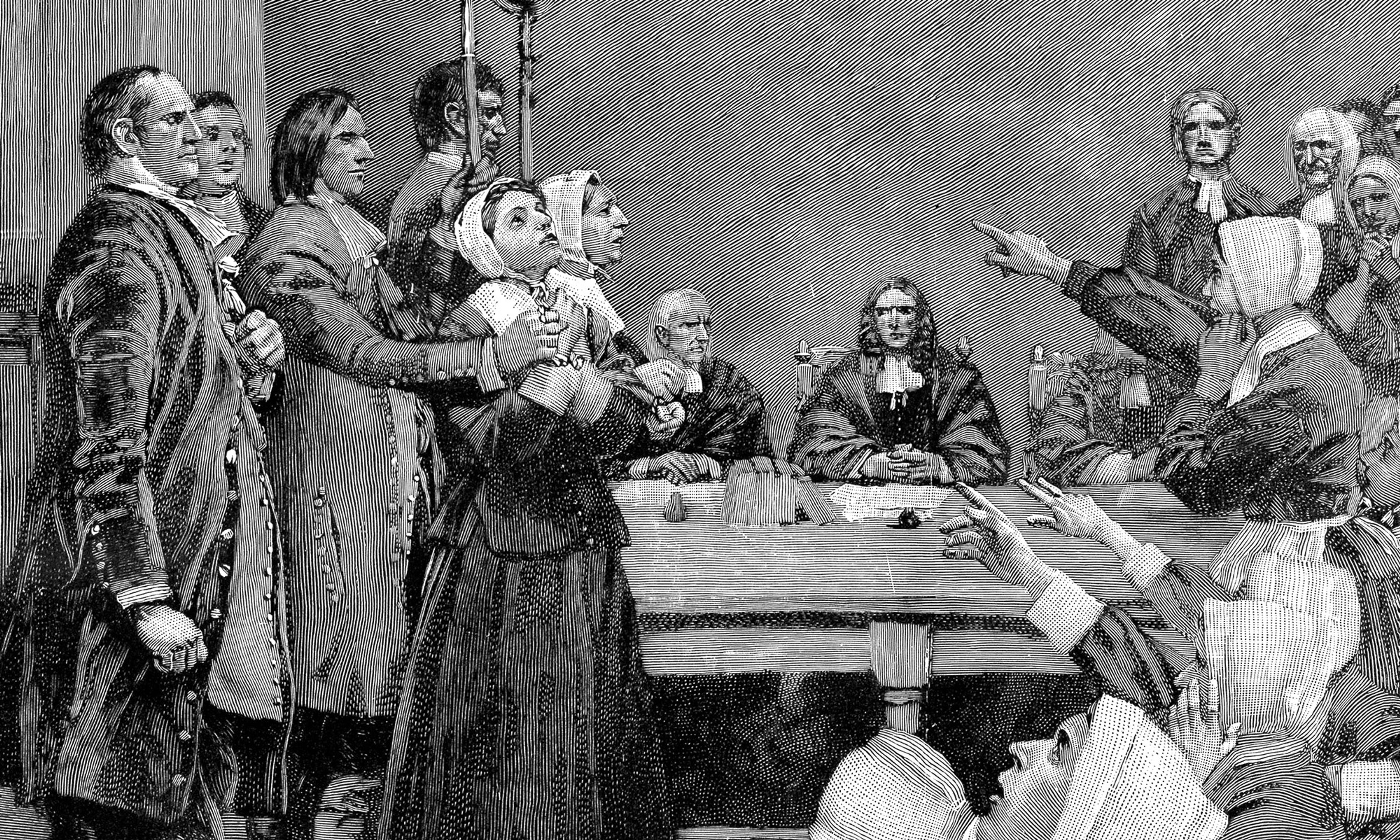
Superstitions are most powerful when given legal force. So, when James VI of Scotland — later James I of England and Ireland — believed witches had conspired against his Danish bride and worked with the Devil to summon storms and sink royal ships, he helped fuel a craze. He even wrote a best-selling book on the subject, Demonology. Perhaps this helps explain why Scotland executed five times as many witches between the 16th and 18th centuries than any other European country.
Though the Witchcraft Act was repealed in 1736, last month, the Scottish parliament introduced new legislation to exonerate those killed and offer official apologies. In one sense, the move is uncontroversial. Those convicted of witchcraft, most of whom were women, were obviously subjected to terrible injustice. Which is why the Massachusetts House of Representatives officialy proclaimed victims of the Salem witch trials innocent in 2001. But what good does this do anyone now, when the last victims died hundreds of years ago?





Comments