President Trump’s decision to withdraw the U.S. from the World Health Organization (WHO) has led many to see the U.N. agency in a harsh new light. As an international public-health organization, the WHO exists precisely for crises such as the coronavirus pandemic and should presumably serve as a trusted, authoritative resource. Yet from the very onset of the pandemic, the WHO has sown confusion — and in some cases, disseminated complete misinformation — about everything from the effectiveness of masks to whether or not the virus is airborne.
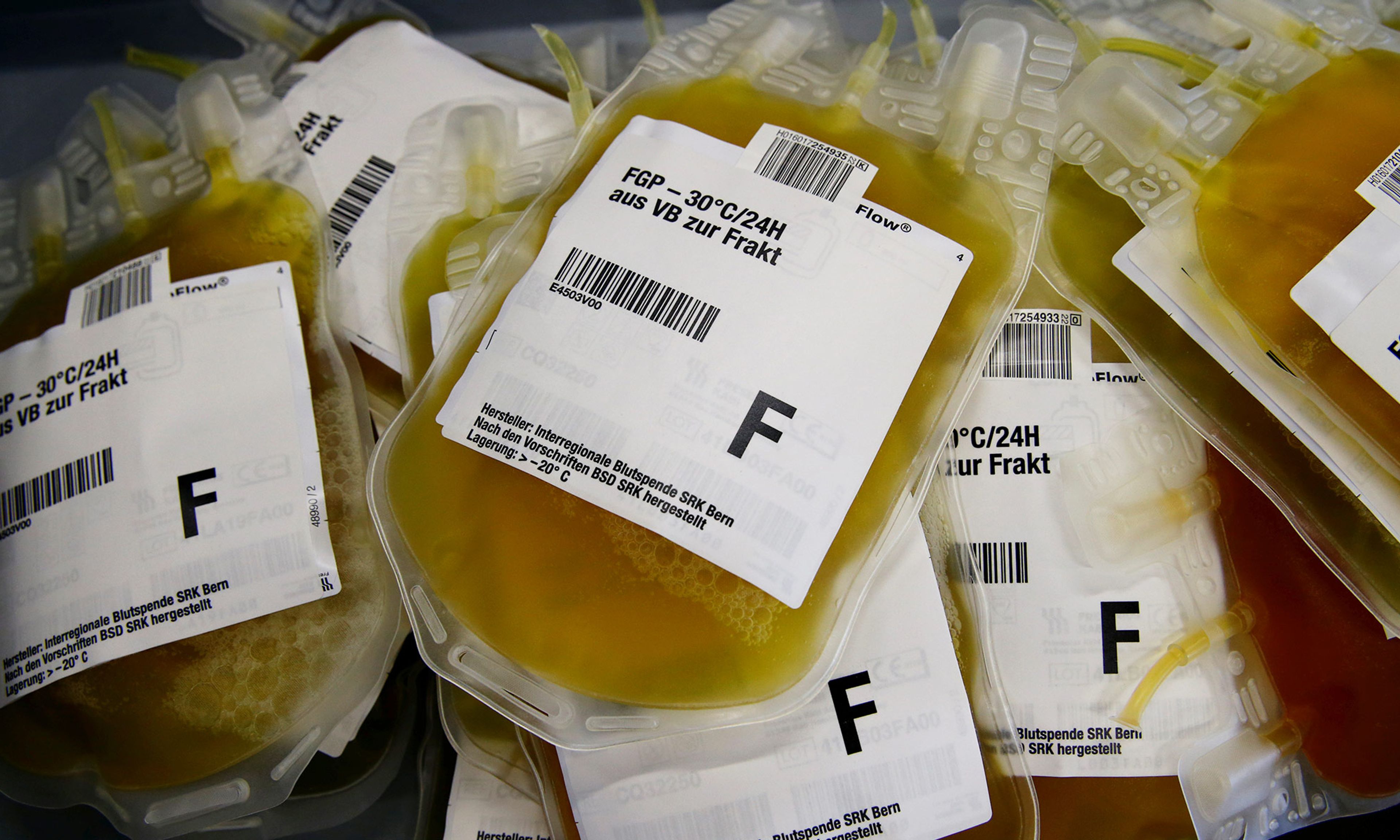
Unfortunately, this is par for the course for the WHO. Take its stance on blood donation. Since adopting World Health Assembly Resolution 28.72 back in 1975, the WHO has consistently opposed compensation for blood and blood-plasma donors, pushing member countries to adopt its preferred model of “100 percent voluntary, non-remunerated” donation.





Comments