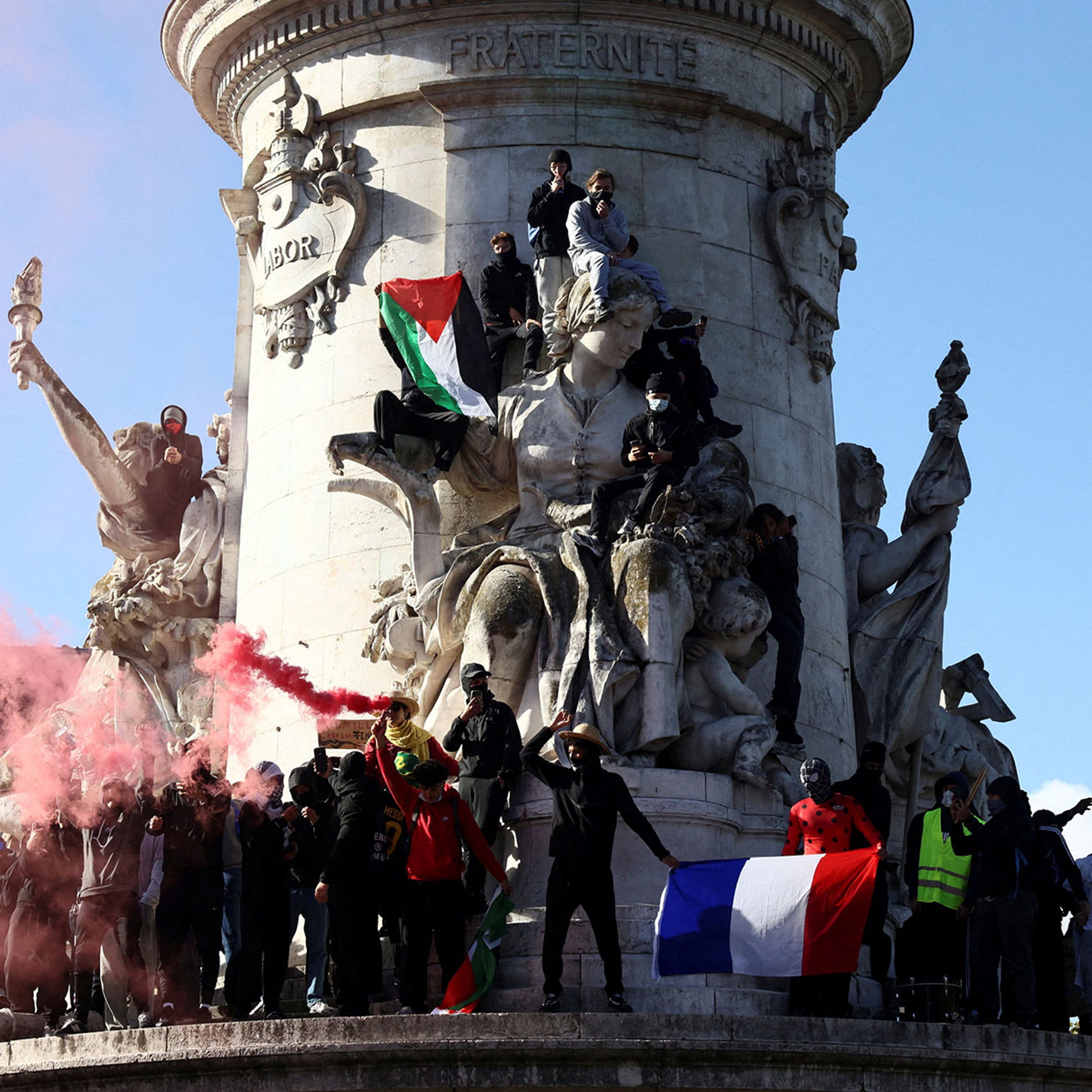
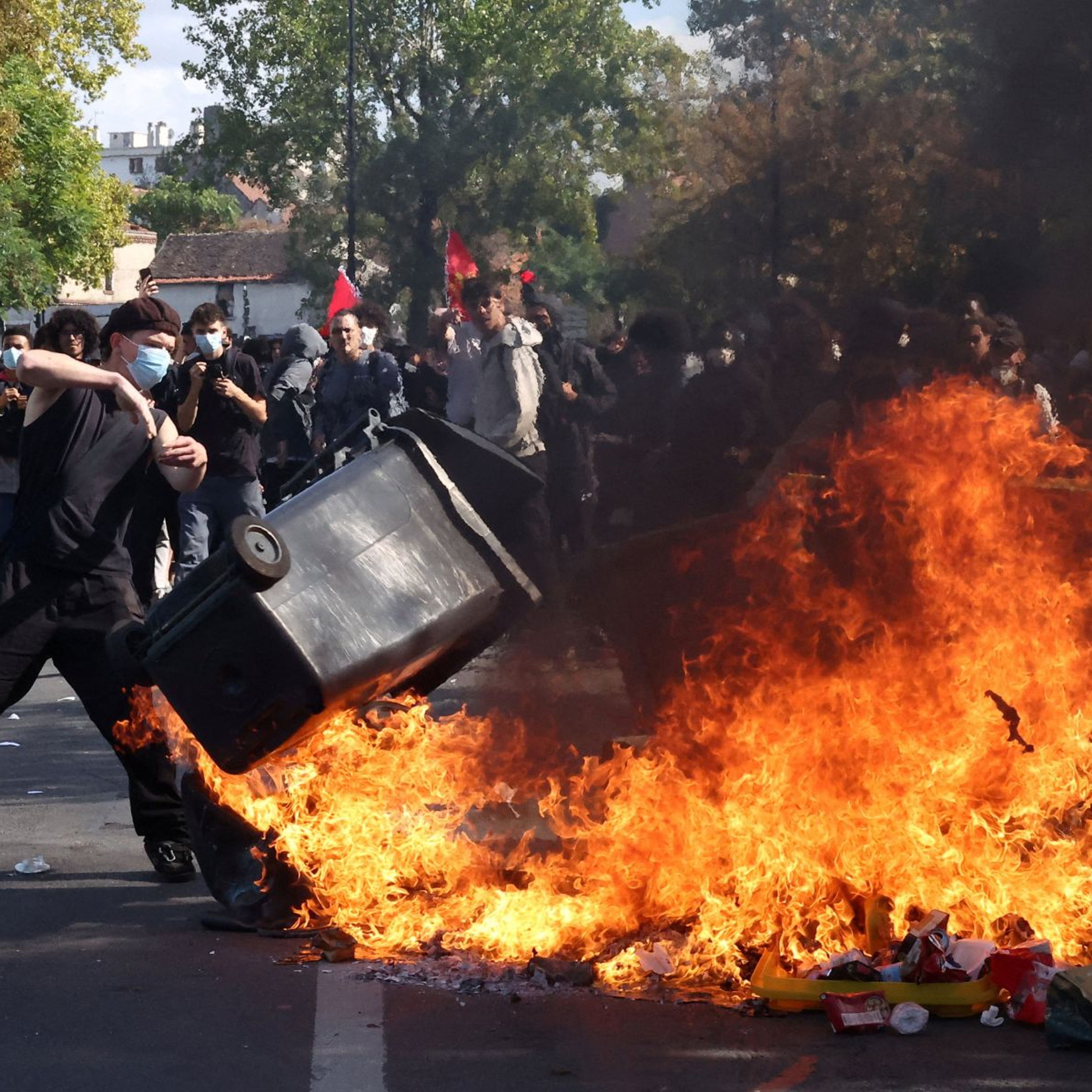
Paris, France–These days, the French are shrugging a lot more than usual. As their banlieuesard immigrant young run amok throughout the country, the shoulders seem to be saying, “We saw it coming. We saw it coming for a long time.”
Tune in at any Parisian café or bar, and above the espresso-machine din might be heard the term cocotte minute (pressure cooker). More likely, you’ll hear long, exasperated sighs that sound like a tire is slowly deflating.
It was the early 90s, and Zora Mahmoud, not her real last name, then in her 20s, lived in Paris, she told me, with her parents and two younger sisters. I’d met Zora in London. A lodger in the basement of a friend’s posh Belgravia flat, she was attending classes, she explained, to become an art curator, hopefully at Christie’s or Sotheby’s one day.
We hit it off immediately. I was attracted to her open laugh and easy sense of humor. Upon learning I’d recently moved to Paris, Zora excitedly invited me to come to her family’s home “for a couscous” the next time she was in Paris, which was to be soon after.
Upon her return to Paris, Zora phoned to give me directions. She insisted upon meeting me at her metro station, Bobigny, and escorting me personally. I told her I knew my way around and she needn’t do that, but it wasn’t until I ascended the metro steps did I realize why. I’d stepped into the heart of one of the capital’s most notorious quartiers sensibles, those soulless, forgotten–and reputedly dangerous–enclaves that ring the city.
It was the weekend. As we walked, Zora hooked her arm in mine and explained that those firetrucks screaming in the distance were dousing yet another car set alight. Young men, mostly of North African and African origins, swarmed everywhere. We picked up our pace, both of us uncomfortably aware that I was being eyed with suspicion and curiosity. To French rap music booming in time to our steps, we passed walls thick with graffiti and gang tags. Good-natured taunting followed us in accents so thick I could barely understand what they were saying, although my French was fluent. I felt safe, almost like a celebrity in a strange way. Zora’s relaxed smile seemed to reassure these wide-eyed onlookers that I was okay. But my eyes had been opened as well.
For me, Paris was synonymous with high fashion, culture, beautiful architecture and monuments; the cobbled streets of the Marais and St. Germain des Prés where I had a small apartment near a café where a scruffy Marcello Mastroianni might be spotted at the zinc counter. Parisians seldom talked about these suburban hot zones, rife with crime and poverty, best avoided. Certainly everyone entering the city by train or car noticed these blight-on-the-landscape highrises that lined the highway like forlorn sentries. But, like everyone else, I blocked them out, thankful I didn’t live there. But tonight, in Bobigny, that world seemed a universe away.
At last we reached Zora’s parent’s apartment building. It towered over twenty stories, and her family lived on one of the higher-up floors. A shabby turquoise green, the structure reminded me of a Hundertwasser painting and exuded despair. Women’s faces, some framed by headscarves, would appear in open windows. It was dinnertime in France and these women were at their posts, preparing the evening meal. As we climbed the steps (the elevator was out of order), we were assaulted–not by someone lurking in the stairwell, but by a mix of exotic odors: onions, roasting meats, tomatoes, cinnamon–north African food, the stuff of soups and stews, hearty, filling, and cheap.
Afterwards, as Zora walked me back to the metro–I wanted to call a taxi but that would be “too complicated” she said–I wondered how she had managed to escape this life, yet it never occurred to me to ask her. From the way her mother doted on her, not her conspicuously quiet siblings, Zora was the star of the family. There was no father at table that evening, although that was him, I was told, in somber photographs punctuating empty bookshelves. He was at the mosque, Zora explained. “He’s always at the mosque.”
Later, as the millennium approached and prices of central Paris real estate skyrocketed beyond the reach of many of France’s middle class, so did the amount of graffiti, spreading into the chicest neighborhoods. Grumbling, the locals just shrugged if off: Nothing that a little soap and water won’t fix. Defaced walls everywhere bore silent testimony that just beyond the walls of the péripherique, the shining capital harbored its very own King Kong, a monster that quietly ravages the city at night, then creeps back to its jungle before dawn.
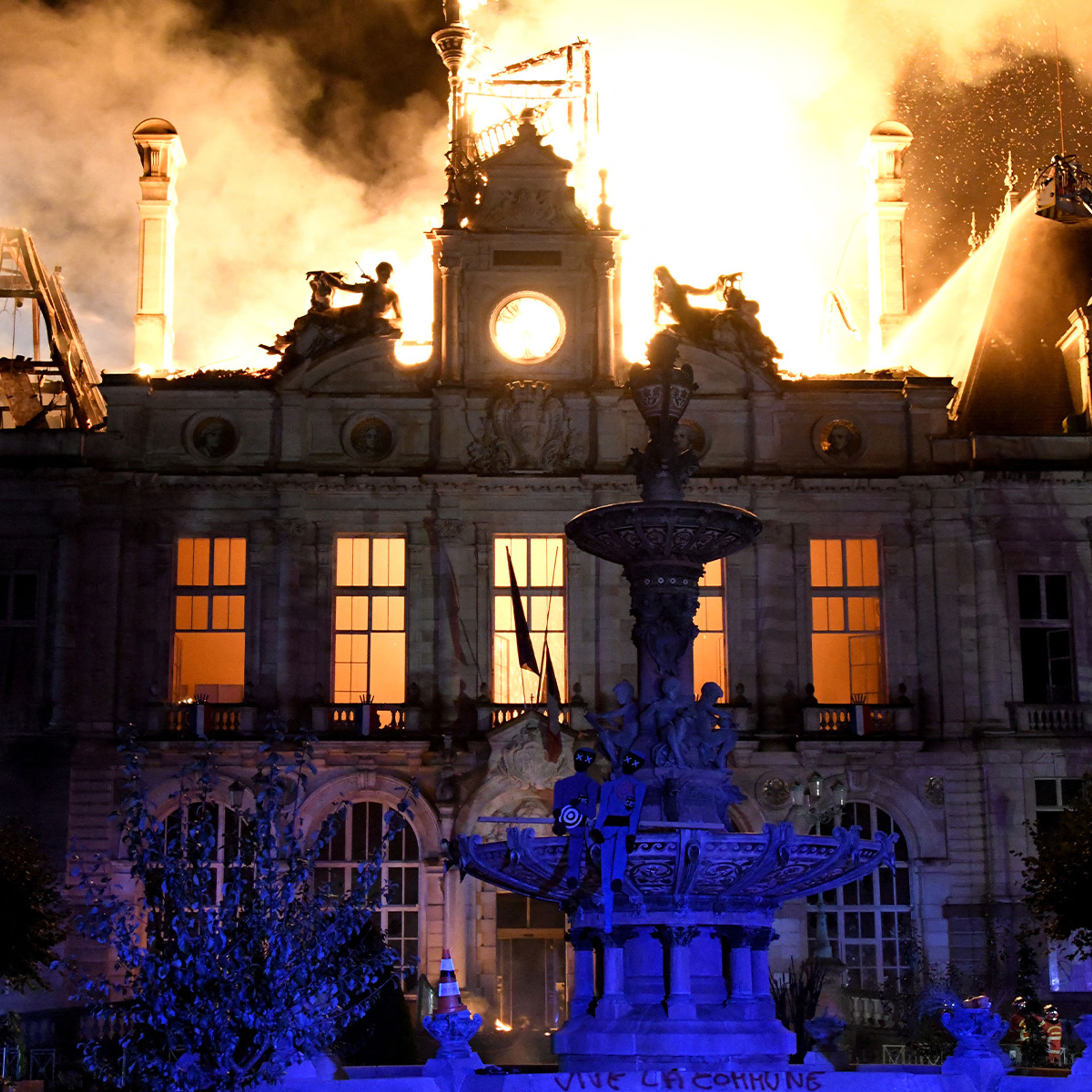
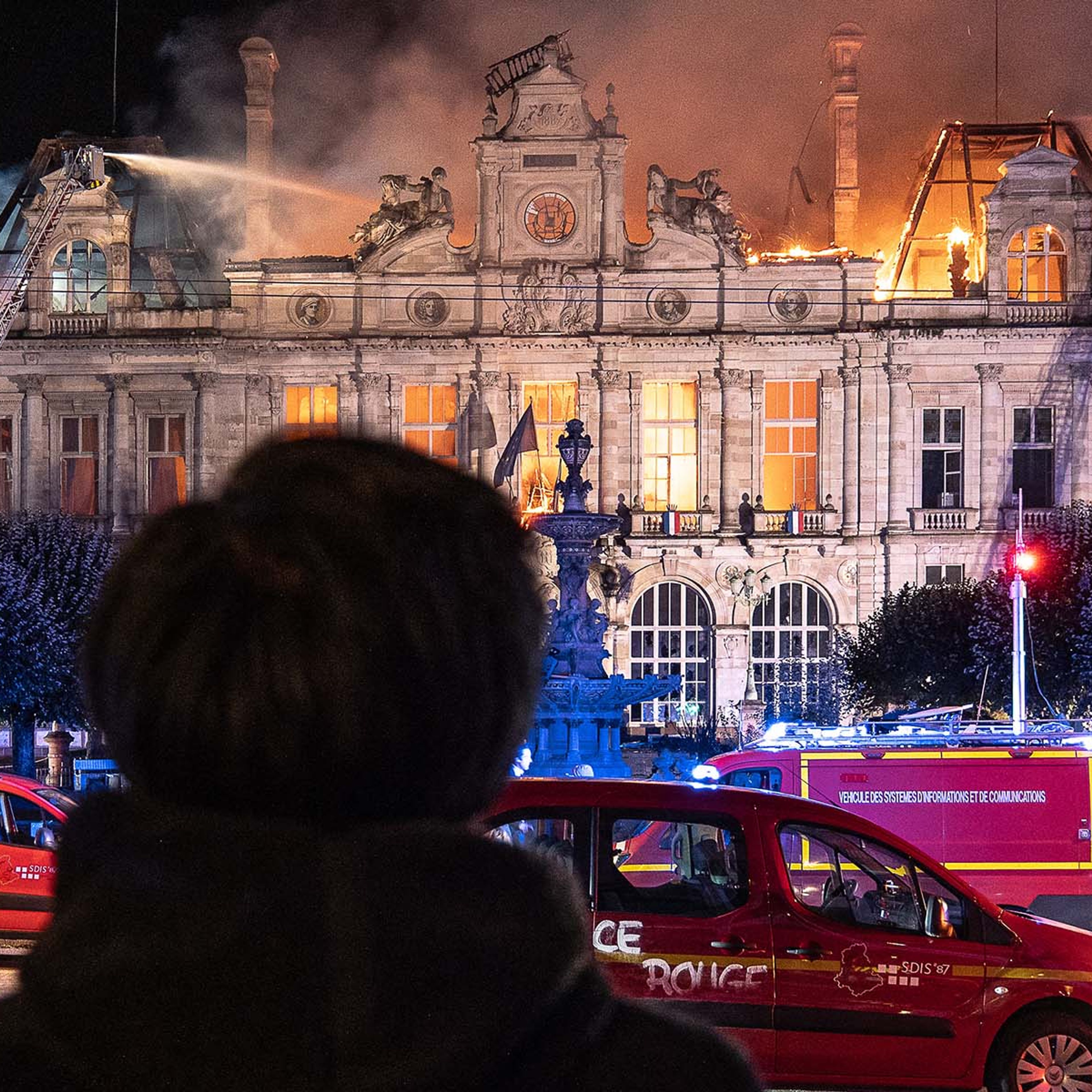
I don’t know what became of Zora. We didn’t keep in touch. I heard she found a bedsit in London not long after our couscous in Bobigny. Today, watching the suburbs in flames, I can’t help but think of her, and Bobigny, and recall her words when asked if she’ll come back to France to find work when her coursework is finished in London.
“I’d love to. My family is here. But the French would never give me a job. The second they see my name, they will reject my application and hire someone else, even if they are less qualified.”
–Barbara Pasquet James is a cross-cultural speaker and writer who lives in Paris. Her comments and writing have appeared in numerous publications including USA Today, The Robb Report, Boulevard France, The American LLC, and The Georgetowner.

Comments