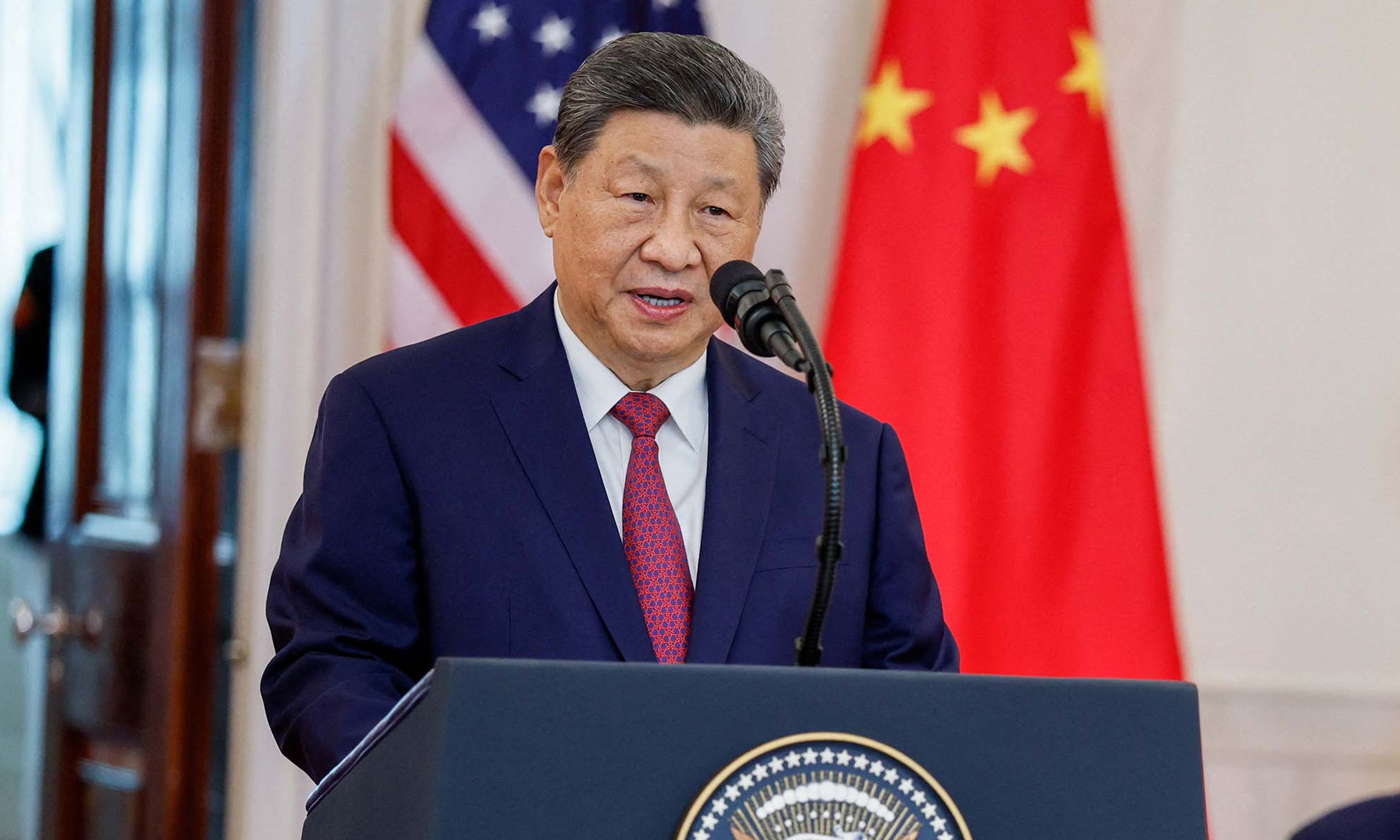
At his White House welcoming ceremony last month, Chinese President Xi Jinping announced that China would invite 100,000 young Americans to study there over the course of five years. Daniel Di Martino of the Manhattan Institute wrote on X that the program is “clearly intended to indoctrinate young Americans in China,” and a column in The Hill warned of hostage-taking and stolen lab research. These worries are reasonable but may never materialize. As for indoctrination, many Americans who have lived in China come home more critical of Beijing than when they left; Matt Pottinger reported from China for seven years before helping shape the first Trump administration’s China policy.
Our concern should be the data these students will unwittingly hand over through their phones. Beijing will likely keep it for years and use it as it pleases. In practice, nearly every student will need WeChat, which New York University Shanghai’s IT guide calls “an essential communication and payment platform in China.” Some programs require it outright: A Tsinghua summer program tells students to install the app and join its WeChat group before arrival because “almost all course materials and information” go out through it. WhatsApp, Signal, Telegram, and Gmail are blocked in China, and few people carry cash, so students use WeChat for cabs, meals, and class chats.




Comments