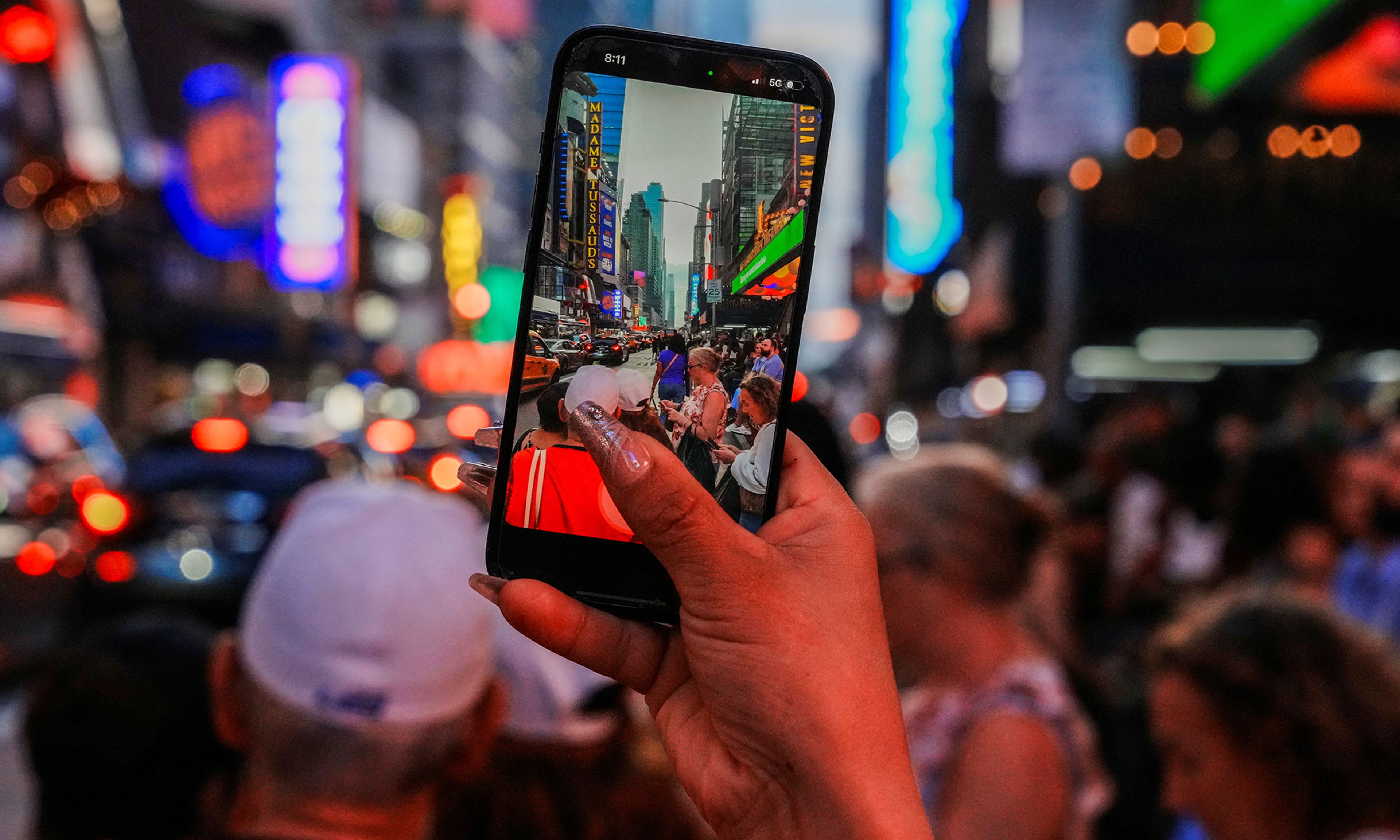
Imagine if, as a condition of your citizenship, you were assigned a three-inch-tall police officer that you had to carry with you at all times. That tiny trooper would be able to monitor your exact location, listen in on your conversations, and see what you were searching for online. (Come to think of it, I may have just written myself a million-dollar check: This fall on CBS, Pocket Cop.)
Absurd? Yes. But no less absurd than the system currently in place, where virtually every American carries around a mobile phone that constantly collects data on his or her comings and goings. That data is typically stored on remote servers owned by large technology companies, so even if the mobile device were erased, a historical record of all the user’s activities lives on.





Comments