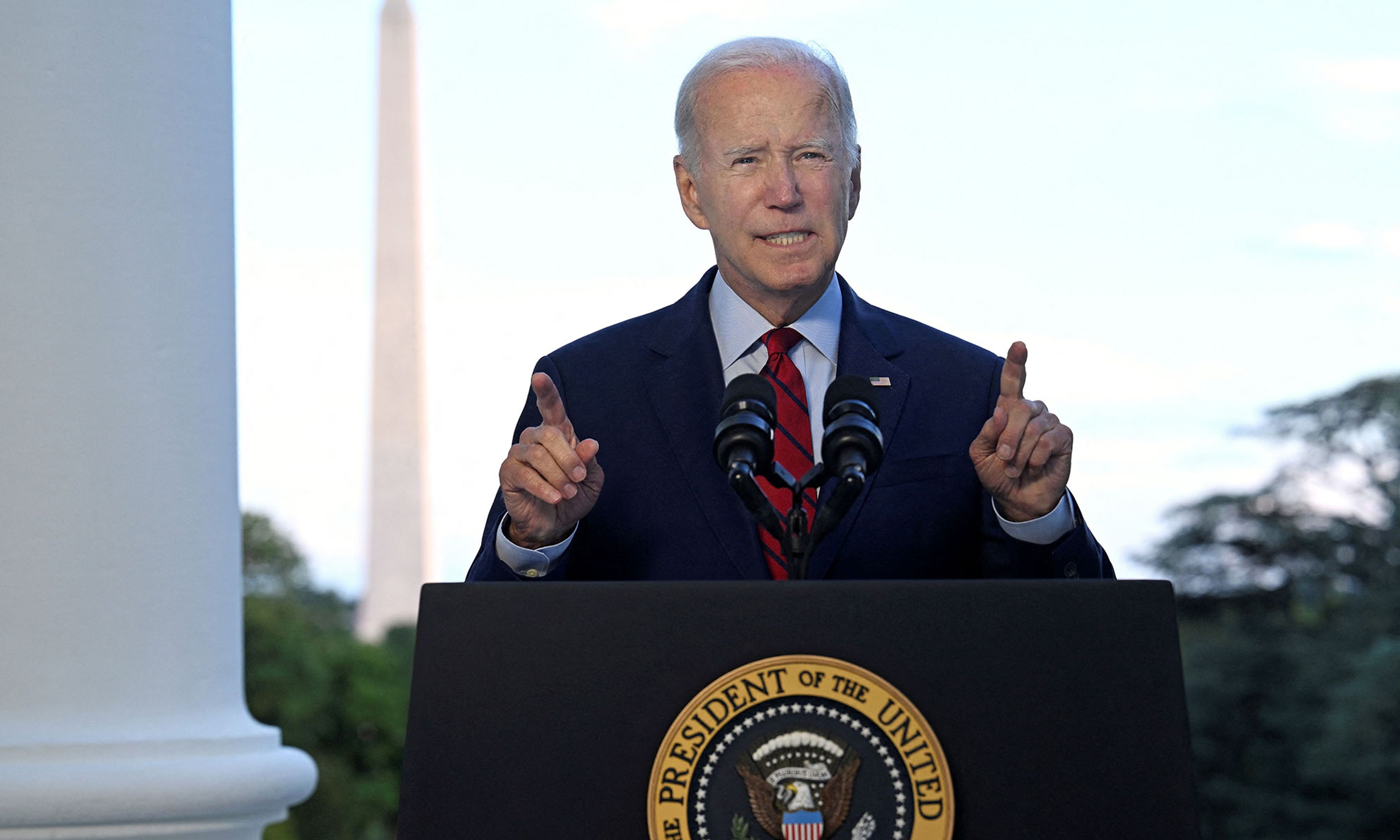
President Joe Biden’s announcement that the U.S. military had successfully eliminated al-Qaeda leader Ayman al-Zawahiri this week is unquestionably a major milestone in the conflict once known as the “Global War on Terror.” The Egyptian-born Zawahiri had been al-Qaeda’s intellectual heavyweight ever since he folded his own militant outfit, Egyptian Islamic Jihad, into Osama bin Laden’s network in 1998. In the wake of bin Laden’s death at the hands of U.S. special-forces operators in 2011, Zawahiri assumed the terror group’s top post, serving as its operational and strategic head. In that capacity, he guided al-Qaeda through a pitched power struggle with its offspring and jihadi competitor, the Islamic State, and expanded the group’s beachhead in Africa, among other accomplishments.
Zawahiri’s killing is timely proof that the U.S., though preoccupied with other foreign-policy priorities and plagued by domestic political divisions, is still committed to the counterterrorism mission. But it also serves to highlight the bankruptcy of the Biden administration’s foreign-policy agenda on at least two other fronts.





Comments