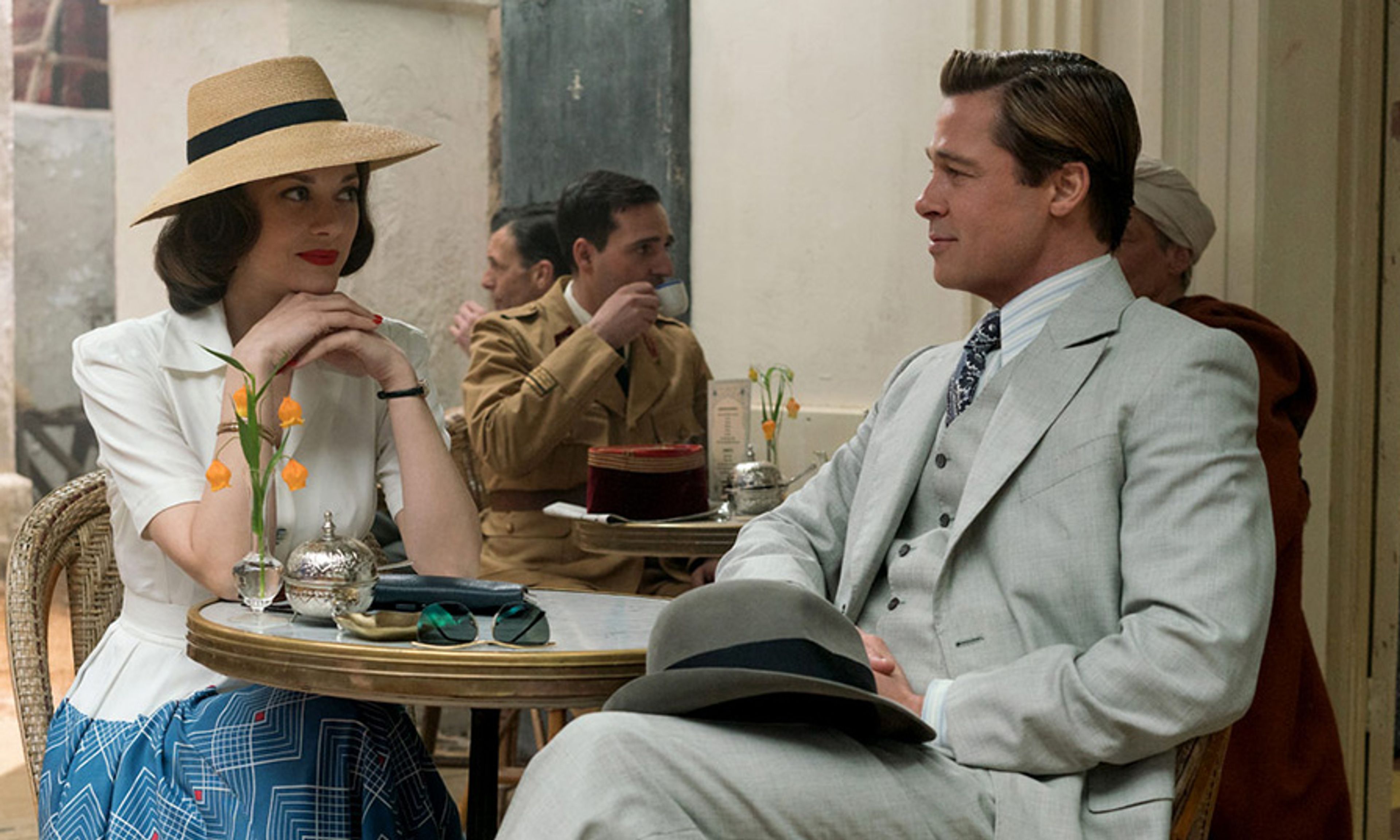
It’s more than coincidence that the Brad Pitt–Marion Cotillard World War II spy romance Allied starts out in Casablanca. The love story between Canadian airman Max Vatan (Pitt) and French resistance fighter Marianne Beausejour (Cotillard) begins in French-occupied Morocco during an Allied-forces mission. Director Robert Zemeckis and screenwriter Steven Knight contrive a convoluted love story, but they are clearly working under the influence of the 1943 Hollywood movie Casablanca, and this is where the coincidences begin. Its several contemporary political parallels are more instructive than the film itself.
The original Casablanca, about a pair of political allies who sacrifice their amatory happiness for the good fight, always flattered the romantic fantasies of leftist dissidents. Ironically, that self-flattering delusion won new fans in the 1960s, which saw a counterculture vogue for Hollywood figure Humphrey Bogart (who played nightclub owner Rick in Casablanca). Bogart’s iconic insolence meshed well with both student-radical impertinence and hippie pacifism. This Baby Boomer self-satisfaction appears in new form in the petulance of contemporary protesters — as displayed in last week’s tantrum by the Broadway cast of Hamilton, who delivered a curtain-call diatribe (co-written by the show’s creator, Lin-Manuel Miranda) aimed at Vice President-elect Mike Pence, who was in the audience.




Comments