
Alliance for Justice takes issue with my statements last week that the Republican Senate is moving nominees forward as quickly as Democrats had done during Bush’s second term. And they do highlight a distinction I admit I missed while looking at the nomination hearing numbers.
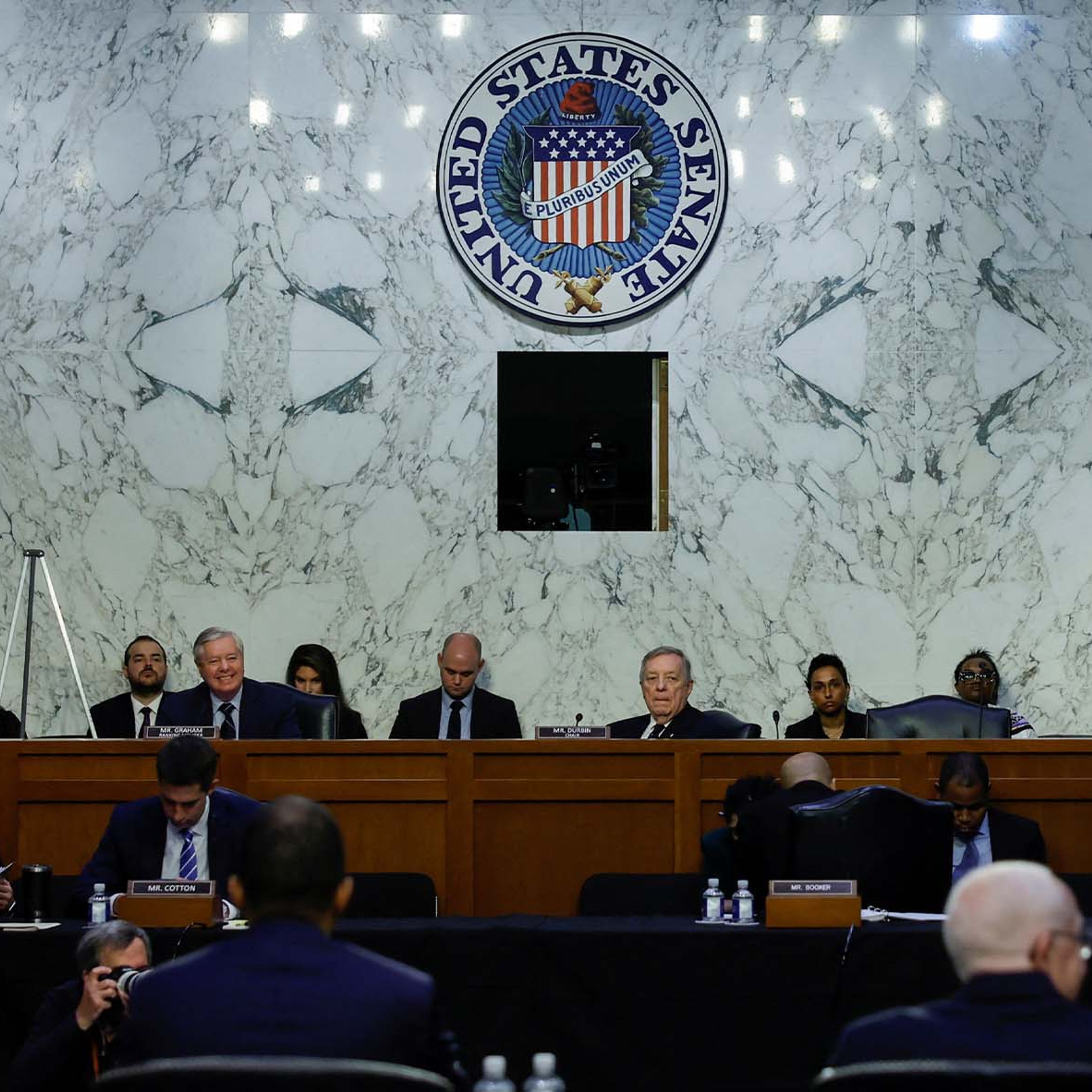
As I stated previously, the current Judiciary Committee has outpaced the same committee in 2007 in both the number of hearings it has held – five instead of four – and the number of nominees considered – 14 compared to 13. However, some of those nominees were for executive positions rather than Article III judgeships, so the total number of judges considered was only 10.
So while I stand by the rest of the piece, the final sentence isn’t accurate in terms of the total number of judicial nominees who received hearings, although the total number of nominees moved through committee is indeed higher under Republicans. I apologize for the error.
But I’d still maintain that the Judiciary Committee’s pace is easily equivalent to that established under Leahy.
Consider that of the four executive nominees given hearings by the Judiciary Committee, two were the Attorney General and Deputy Attorney General. While Leahy’s committee didn’t spend any time on executive nominees during the first half of 2007, this year Republicans had the significant job of vetting both the AG and DAG – and the AG’s hearing dragged on over two days.
I assume AFJ wouldn’t suggest the Judiciary Committee should have prioritized judicial hearings over moving ahead on Loretta Lynch’s hearing. Given the amount of race-baiting already surrounding Loretta Lynch’s nomination, Senator Durbin’s head probably would have exploded if the Judiciary Committee hadn’t expedited Lynch’s hearing instead of moving forward on judicial nominees.
I’ll add that the numbers of total judges confirmed this year is not a helpful metric, because last fall Harry Reid broke with Senate tradition and pushed through 11 judicial nominees who had finished their hearings rather than allowing them to be renominated the following term. In 2007 the Senate started the year with 13 judges out of committee and ready for votes. This year’s numbers look lower because those 11 judges who would normally have been voted on in 2015 were off the table. It doesn’t make sense to fault Republicans for Democrats running the table last fall.
The total confirmation numbers are the most striking refutation to those who complain about the pace of confirmations. At this point in 2007 Senate Democrats had confirmed 18 judicial nominees. Currently the Senate has confirmed 9 of Obama’s nominees, but the 11 it would have voted on this year under normal procedure would have brought the total to 20. Whether you count those for 2014 or 2015 the result is the same: President Obama has had more of his judicial nominees confirmed than Bush at this time in their second term. As of May 6, when the last hearing was held, the numbers stood at 309 for Obama and 274 for Bush.
The Republican Senate promised it would maintain the nomination pace set by Senator Leahy when Bush was president. It has done so, and even slightly surpassed that rate. While the details are necessarily different each year – different mixes of district, circuit, and executive nominees – the bottom line is the same.



Comments