
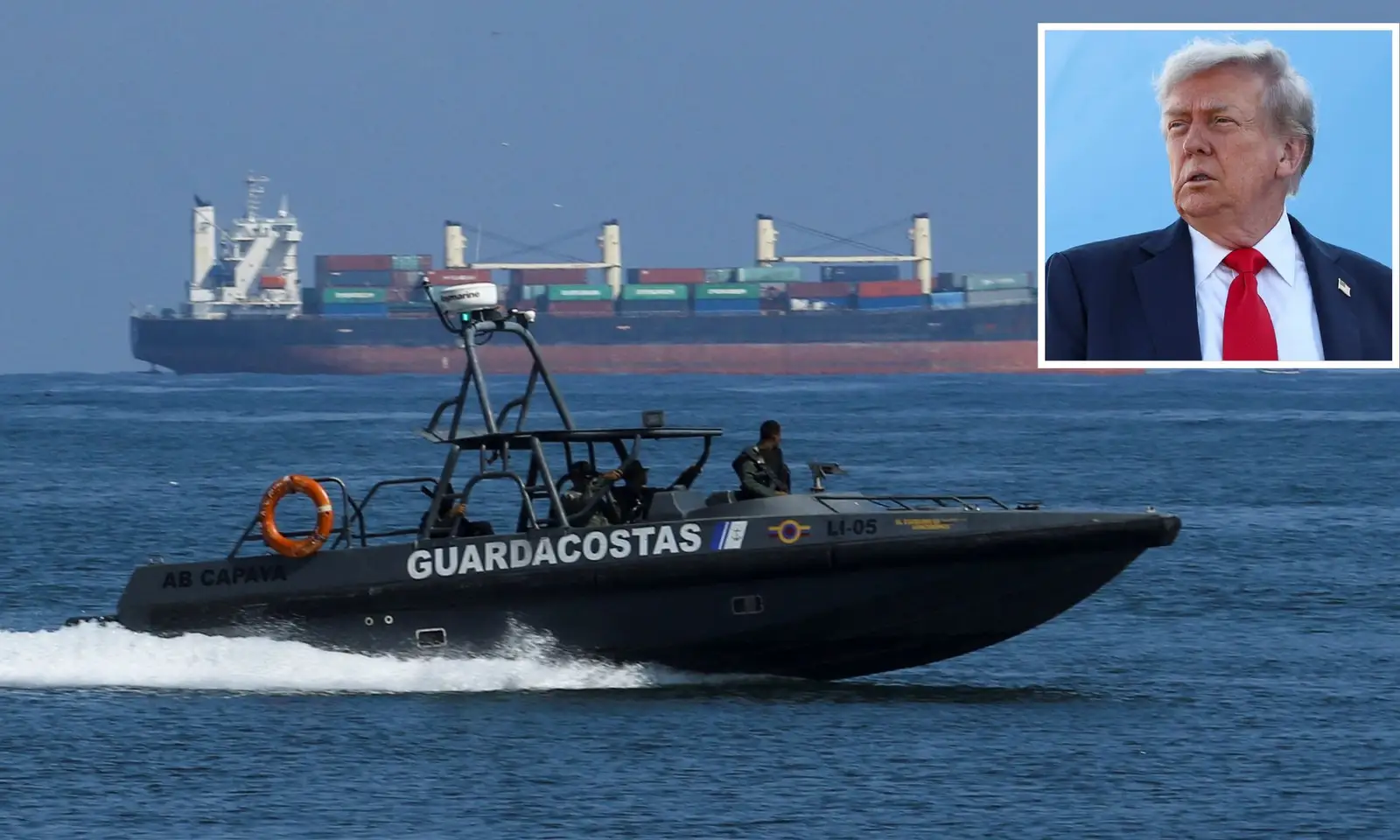
The Trump administration has apparently chosen to repatriate survivors of our military’s drug-interdiction campaign off the coast of Venezuela. Liberals and other opponents are crowing that this shows Trump must not have evidence to support his view that these are drug traffickers and not, say, Colombian fishermen, but this misapprehends the costs and benefits of trying these modern-day pirates of the Caribbean. It also gets wrong the nature of the actions: these are military activities and not law enforcement, therefore it is understandable that the government wouldn’t deem it necessary to engage in law enforcement at the same time. Even if it did, though, there are many good reasons why the government would not want to try these individuals, even with strong evidence of wrongdoing on its side.
The Department of Justice surely does not want to get dragged into a lengthy and costly dispute about the legality of these actions if it doesn’t have to be. Far from a concession, this is frequently a prudent course of action for the executive branch. For example, Bill Barr explained once how he evaded judicial review in his rapid repatriation of Cuban prison rioters: “And I said, ‘Get a plane down there because they’re going right to tonight or tomorrow morning. They’re going to first thing,’ and by [then they] were already being put on the plane to [go] before the civil rights lawyers and all these people could come with injunctions and stuff.”




Comments
On “On Not Prosecuting Drug Pirates”