
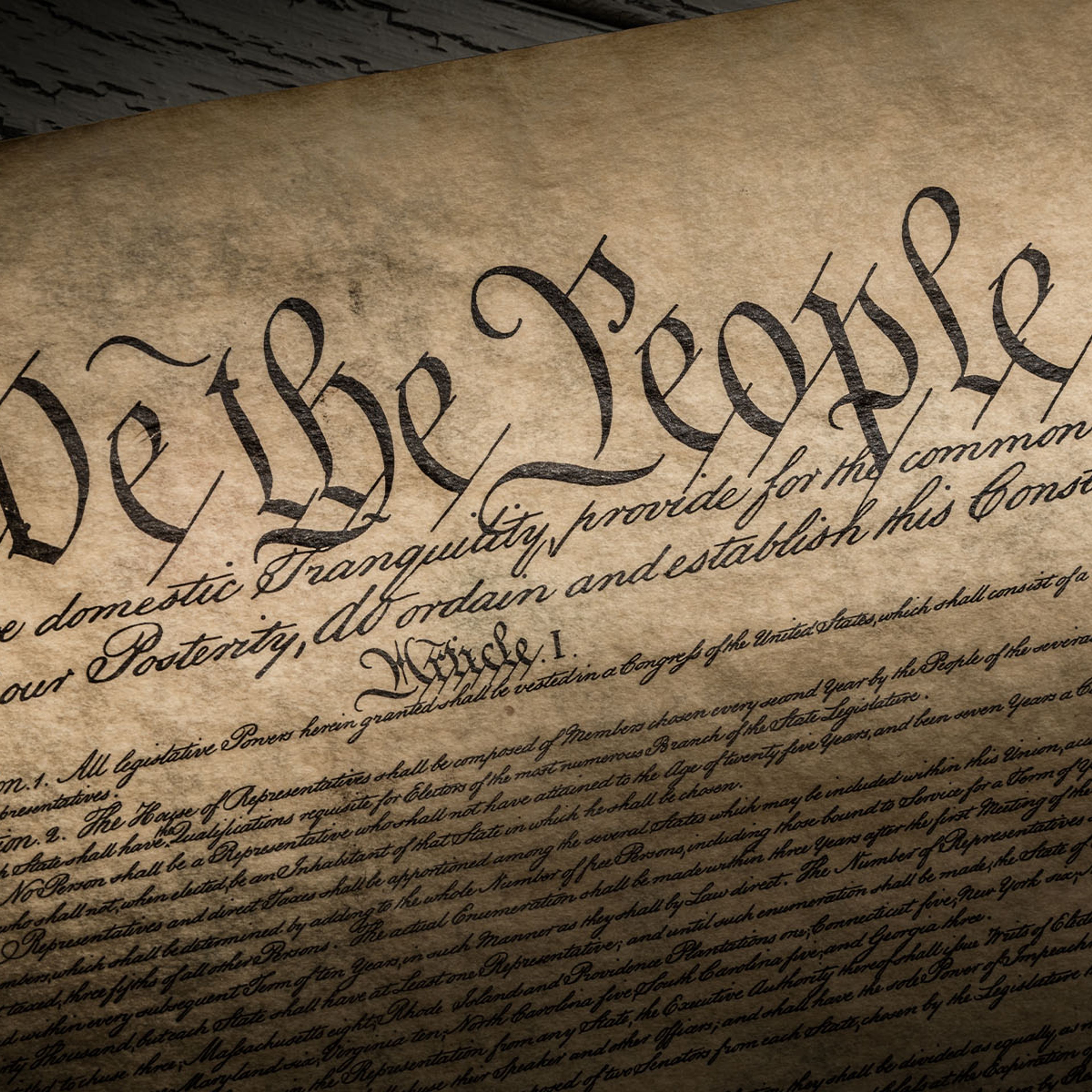
In Federalist No. 47, Publius will begin to make good on the claim that the new national institutions called into being by the Constitution will exercise their powers both safely and effectively, achieving the quartet of qualities identified in No. 37 as the new system’s objectives: energy, stability, liberty, and democratic representation. But first Federalist No. 46, in preparation for that discussion of institutional design, draws together the final threads of the argument on the aggregate power being given the new government, and the relationship it will have to the states and their governments. Like Hamilton in Nos. 17 and 27, Madison predicts that “better administration” of the national government will cause it to rise in the affections of the people as a rival to the state governments closer to them. “But even in that case, the state governments could have little to apprehend, because it is only with a certain sphere, that the federal power can, in the nature of things, be advantageously administered.”
Later in the essay, echoing Hamilton’s reassurances in No. 29, Madison assures us (in a passage that is a favorite of the National Rifle Association) that “the advantage of being armed, which the Americans possess over the people of almost every other nation . . . forms a barrier against the enterprizes of ambition” on the part of any incipient tyranny rearing its head in the central government.
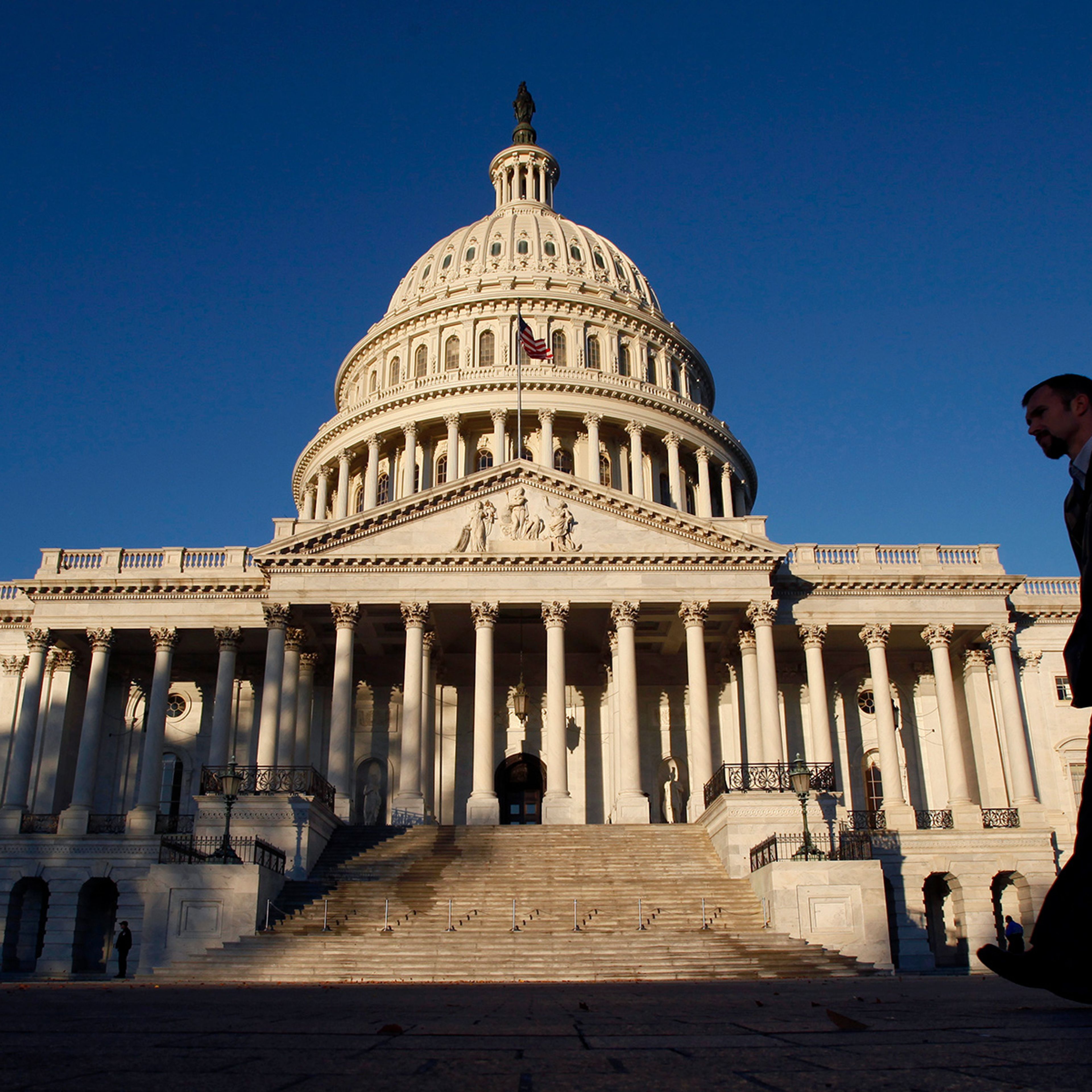
But we should turn our attention to the concern Madison expresses in the middle of this essay—one whose wisdom is borne out on an almost daily basis whenever Congress is in session, and which is particularly applicable to the circus of shameless vote-buying by Democratic congressional leaders in order to pass their shameful cut-and-run spending bill for Iraq. Madison tells us that, far from being too nationally minded and negligent of their state and local constituencies, “the members of the federal legislature will be likely to attach themselves too much to local objects”:
“Measures will too often be decided according to their probable effect, not on the national prosperity and happiness, but on the prejudices, interests and pursuits of the governments and people of the individual states.”
What is needed is “national spirit” in our national councils, Madison says, not a “local spirit.” But Speaker Pelosi, as Cal Thomas notes in his latest column, deliberately employed the basest form of “local spirit”—the offering of minutely targeted earmarks—precisely in order to bribe members to surrender any “national spirit” that might lead them to think first of what is best for their country.
Thus do the interests of spinach farmers threaten to defeat the national interest in wartime. How a Constitution can be designed to reduce the probability and frequency of such debacles is the burden of much of the rest of the Federalist.
(For explanation of this recurring feature, see here.)




Comments