
[I drafted this post before I received Judge Boasberg’s opinion denying DOJ’s motion to vacate the TROs, but I see no need to recast it.]
So did anything happen during the two weeks I was in Italy?
I’m not going to try to address at length all of the issues raised by the legal challenge to President Trump’s Alien Enemies Act proclamation. I’ll refer the interested reader to Andy McCarthy’s half dozen or so articles on the matter, to Harvard law professor Jack Goldsmith’s analysis (in which he agrees with Judge James Boasberg that the issues “are not easy”), and to the article by two champions of robust executive power, John Yoo and Robert Delahunty, that expresses deep skepticism about the legal soundness of Trump’s proclamation.
For now, I’ll limit myself to these summary observations:
1. The issue whether Trump’s proclamation is lawful is distinct from the question whether Judge Boasberg’s TRO was warranted. Like McCarthy, Goldsmith, and Yoo/Delahunty, I have grave doubts about the legality of the proclamation. I’d also be curious whether it received any serious legal review from lawyers at the Department of Justice. Did Trump adhere to the usual practice of submitting it to DOJ’s Office of Legal Counsel for review? If not, why not?
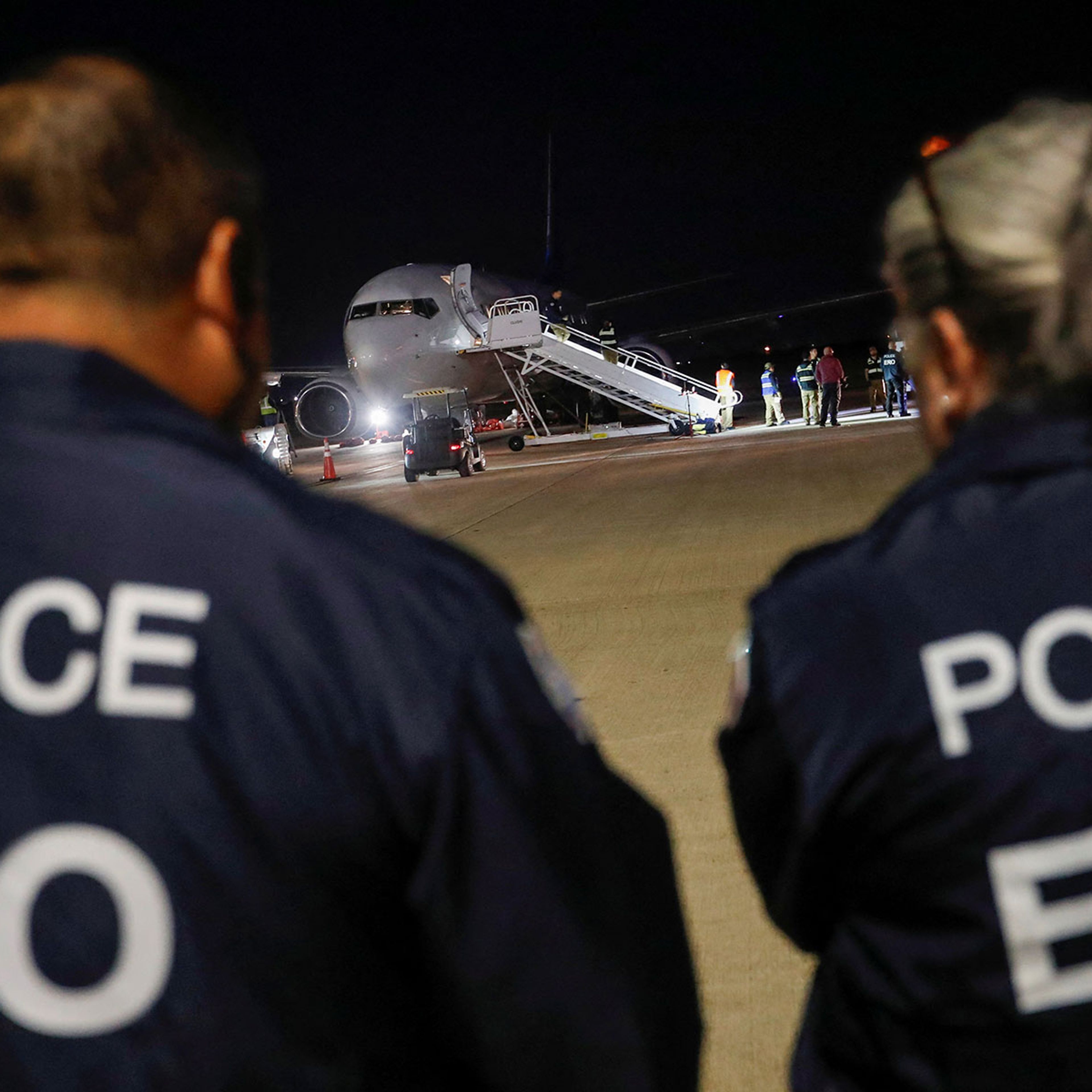
2. Even if the proclamation is lawful, there is the separate legal question whether the Trump administration accurately designated the individuals it deported as members of the Tren de Aragua gang. In a fast-moving matter like this, it is difficult to know whom to trust or to believe. So I’m certainly not going to embrace the allegations by Jerce Reyes Barrios’s lawyer that the tattoo that the Department of Homeland Security took to be evidence of his membership in TdA was instead a soccer tattoo—and that Barrios was a professional soccer player who was tortured by the Maduro regime for protesting against it, had no involvement with TdA, entered the United States legally to request asylum, and had been in detention since then. But if it’s true that Barrios had an asylum hearing scheduled for mid-April, one has to wonder why someone thought it urgent to send him to a prison in El Salvador?
If the decision on Barrios was so shoddy, what confidence should we have in the selection of other individuals to be deported?
3. The claim by the Trump administration that actions taken pursuant to the proclamation are categorically beyond the jurisdiction of the federal courts (with the limited exception of habeas petitions filed in the district in which a detainee is still present) is difficult to take seriously. If that claim were sound, that would mean that even an American citizen wrongfully shipped to El Salvador would have no judicial recourse.
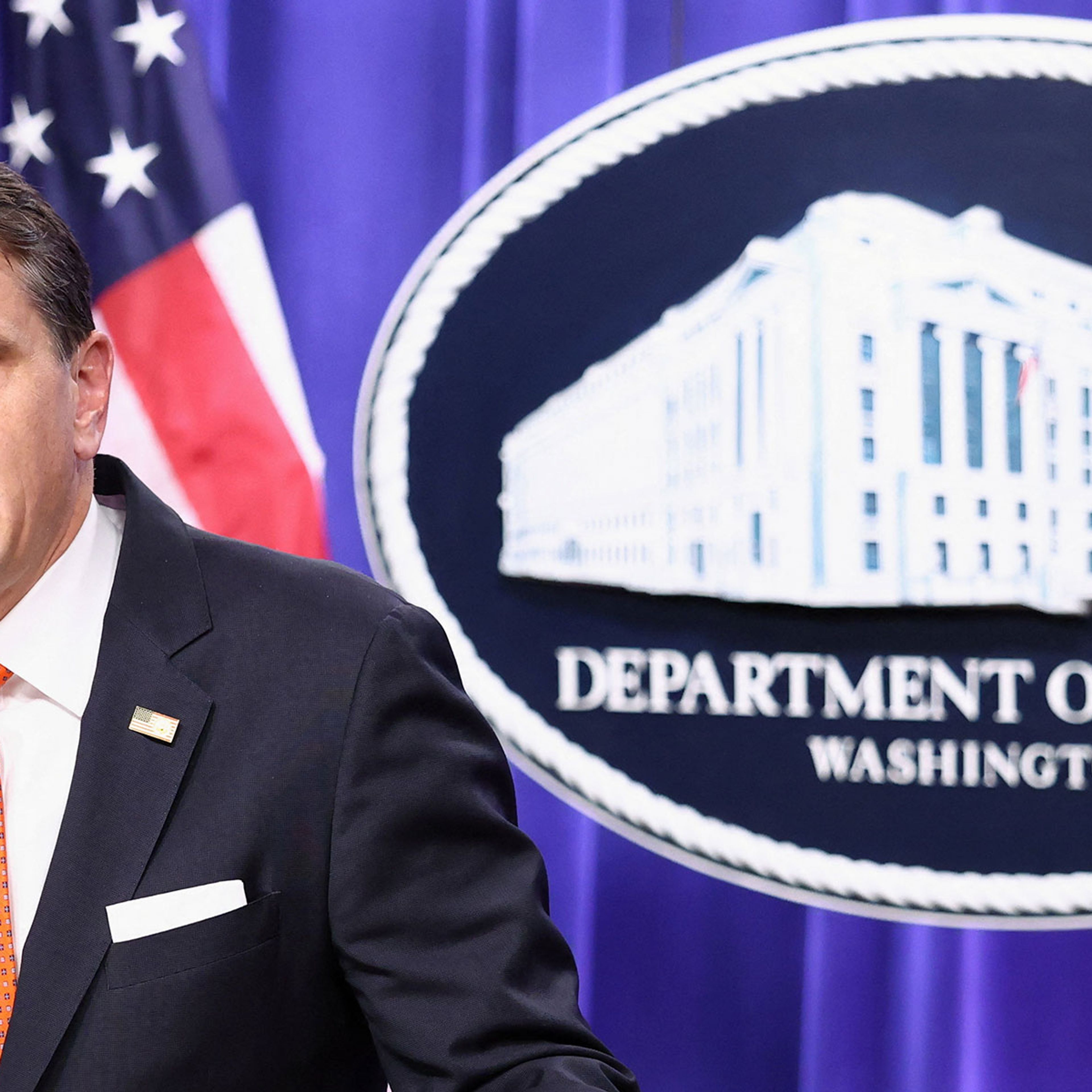
4. DOJ argues on various grounds that Judge Boasberg had no jurisdiction over the matter. Perhaps it will turn out to be right, but it’s not at all obvious to me that it will. In any event, it’s absurd for Attorney General Pam Bondi to denounce Boasberg as “an out-of-control judge” who is “trying to control our entire foreign policy.” It’s equally absurd for anyone to seek Boasberg’s removal from office based on his TRO.




Comments