
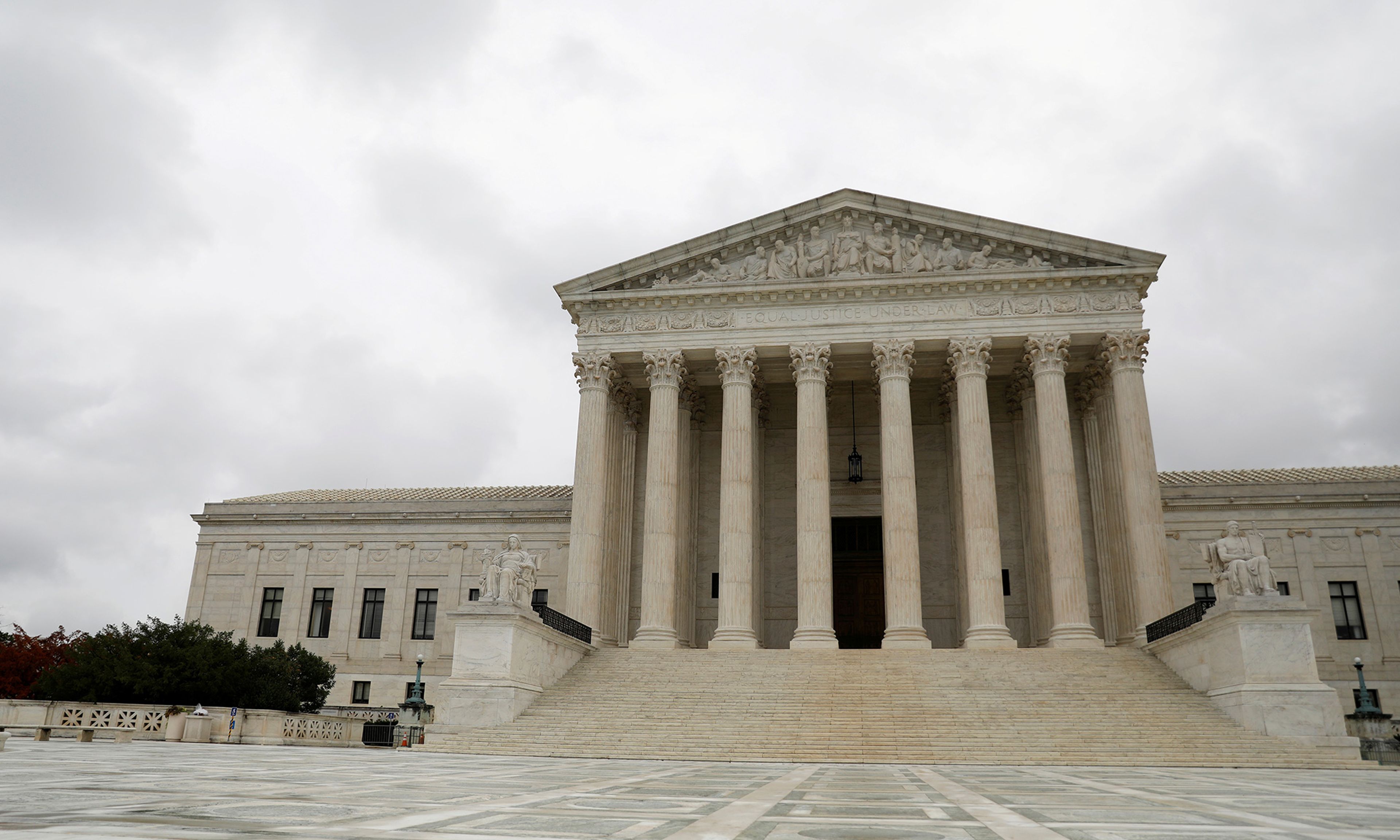
1948—In McCollum v. Board of Education, the Supreme Court applies the “wall of separation” myth that it adopted the previous year (see This Day entry for Feb. 10, 1947) and strikes down a released-time program in which religious teachers, employed by their own religious groups, could provide religious instruction on school grounds at designated times to those students whose parents consented. As law professor Philip Hamburger explains in Separation of Church and State, the McCollum case made clear that the Supreme Court’s misconstruction of the Establishment Clause “would go far beyond the [constitutionally unfounded] Protestant version of separation of church and state” and impose a secular version.
1971—In a striking sign of the intellectual aimlessness that will plague his tenure, Chief Justice Warren E. Burger pens a unanimous opinion in Griggs v. Duke Power Co. that misreads Title VII of the Civil Rights Act of 1964 to bar employment practices that are not discriminatory in intent but that have a racially disparate impact. In order to justify any such practice, Burger holds, the employer has “the burden of showing that any given requirement must have a manifest relationship to the employment in question.”
As law professor Gail Heriot will observe, Title VII disparate-impact liability “makes almost everything presumptively illegal.” Employers seeking to avoid disparate-impact claims will henceforth have an incentive to discriminate on the basis of race by adopting quotas or targets that reflect the racial composition of the workforce.






Comments