
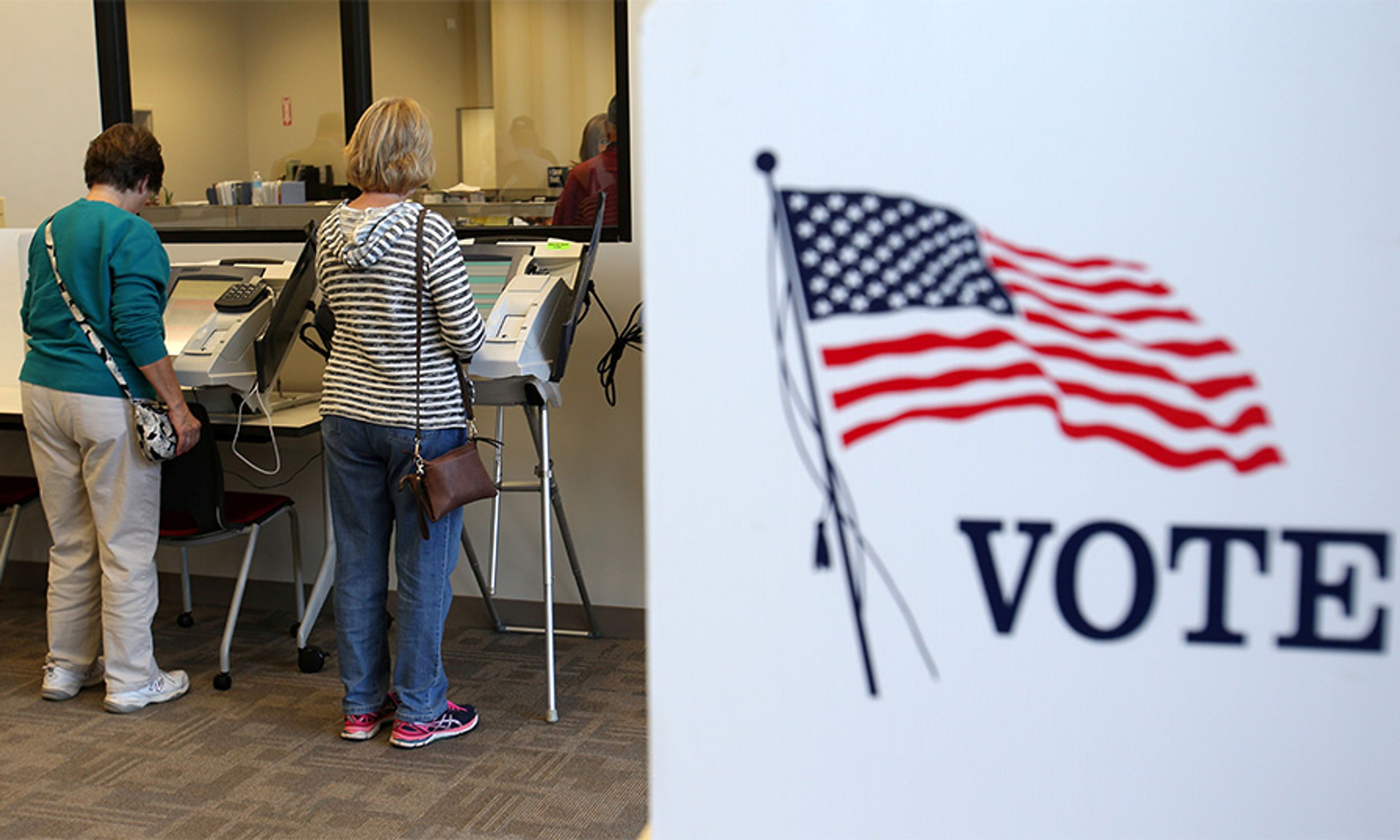
2016—Federal district judge Michael H. Watson rules (in Ohio Organizing Collaborative v. Husted) that an Ohio law that altered the period for early in-person voting from 35 days before Election Day to 29 days before Election Day violates the Equal Protection Clause and the Voting Rights Act.
Three months later, a divided panel of the Sixth Circuit (with Obama appointee Jane Branstetter Stranch in dissent) will reverse Watson’s ruling. In his majority opinion, Judge David McKeague explains that the Ohio law “applies even-handedly to all voters” and “continues to provide generous, reasonable, and accessible voting options to Ohioans.” Indeed, Ohio “is a national leader when it comes to early voting opportunities,” and “a third of the states offer no early voting.” McKeague labels “astonishing” the proposition that Ohio’s previous law “established a federal floor that Ohio may add to but never subtract from.” Such a proposition “would discourage states from ever increasing early voting opportunities, lest they be prohibited from later modifying their election procedures in response to changing circumstances.”
2019—Federal district judge Haywood Gilliam Jr. enters a preliminary injunction (in Sierra Club v. Trump) that bars the Trump administration from using transferred funds for border fencing. Gilliam will make his injunction permanent a month later. But after the Ninth Circuit declines the government’s request to stay his order pending appeal, the Supreme Court in July 2019 will grant the stay request on the ground that the government has made a sufficient showing that the plaintiffs have no cause of action to challenge the government’s use of funds.
2020—Federal district judge Robert L. Hinkle rules (in Jones v. DeSantis) that Florida law that conditions the restoration of a felon’s voting rights on his paying all fines, fees, and restitution imposed as part of his sentence violates the Twenty-Fourth Amendment’s ban on poll taxes and violates the Equal Protection Clause. The en banc Eleventh Circuit will reverse Hinkle’s ruling by a 6-4 vote in September 2020.



Comments