
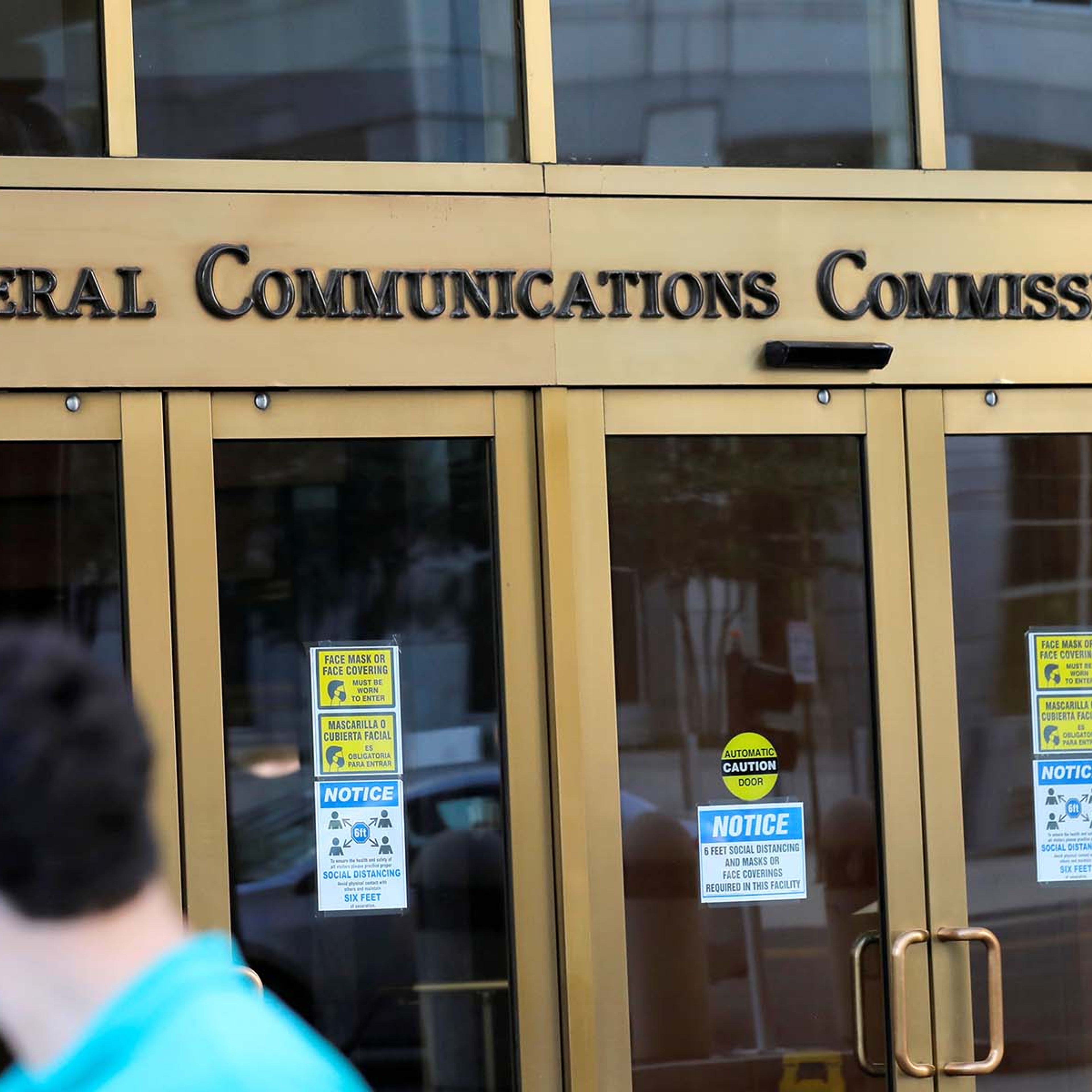
Something unusual is happening in the Sixth Circuit—or, rather, the usual somehow isn’t happening. More than a year ago, the nonprofit group Consumers’ Research and various other parties filed a petition in the Sixth Circuit seeking review of a Federal Communications Commission order concerning the FCC’s Universal Service Fund and the means by which the FCC raises nearly ten billion dollars annually for that Fund. (I’ll avoid getting into the weeds here, even as the order brings back fond memories of my years working for Bill Barr as a telecom lawyer.) Their petition for review sets forth various grounds for their challenge, the first five of which involve alleged violations of the nondelegation doctrine.
The case (Consumers’ Research v. Federal Communications Commission, No. 21-3886) is still stuck in the starting blocks at the Sixth Circuit because every motion filed in the case seems to have disappeared into an abyss.
In January 2022, before any briefing began, the FCC filed a motion to stay the matter, pending the issuance of a non-binding FCC report to Congress. Consumers’ Research opposed the motion. But the motion sat undecided for so long that it became moot, as the FCC issued the promised report in August.
Consumers’ Research then moved to set a briefing schedule, but after two-and-a-half months the Sixth Circuit has not ruled on that basic motion.
Several proposed amici, including a former FCC Commissioner, sought leave to submit amicus briefs in support of Consumers’ Research. Their motions for leave remain pending after a month.
These types of motions are so routine that they typically go to a single judge for adjudication because they don’t require any difficult decisions or a written opinion. But without a ruling, it appears that the case cannot move forward.
Consumers’ Research evidently apparently tried to jump-start the case by filing its opening brief in September, but more than a month later the FCC has not filed its response brief. The FCC is presumably refusing to file until the Court issues a briefing schedule.
At this point, it is unclear when, if ever, the case will complete briefing, let alone reach adjudication. It is also unclear what exactly is causing this inactivity on such routine motions, for nearly the entire calendar year.




Comments