
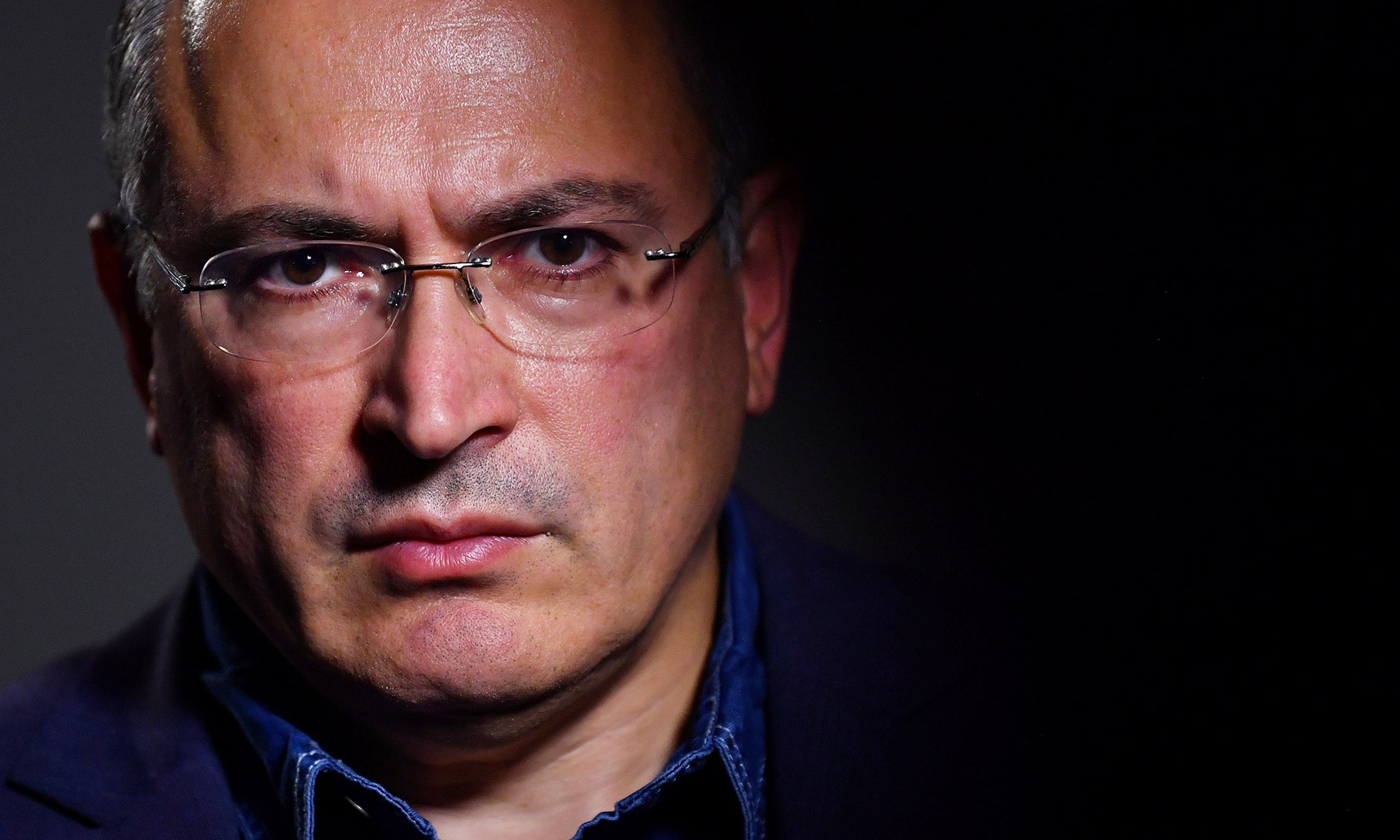
Today and tomorrow, I will have a series on Mikhail Khodorkovsky — Part I is here. I talked with him in London. Khodorkovsky has had a fascinating life, all too fascinating, surely, from his point of view. He comes from a modest background in Moscow. He was a loyal Communist as a youngster. He outgrew it, in a serious way. He was a restless, go-getting businessman, becoming the richest person in Russia, by some estimations. In 2001 (the second year of Putin’s rule), he founded Open Russia, which sought to foster democratic values. He funded opposition media, opposition parties, and so on. The boss, Putin, tired of this and had him thrown in prison for ten years. Amnesty International, quite rightly, declared Khodorkovsky a “prisoner of conscience” — that is, someone imprisoned for his views, not for any actual crimes. After his decade in prison, Khodorkovsky went into exile, where he runs his relaunched Open Russia and, through Justice for Journalists, tries to shine a light on the murder of Russian journalists. They drop like flies, or rather, are dropped.
Here in the Corner, I would like to note a little book: My Fellow Prisoners. Khodorkovsky wrote sketches of people he encountered in prison, and they are vivid. In some cases, they are haunting. A man who was at the top of Russian life — Khodorkovsky — was thrown in with men who were at the bottom. His eye is discerning.
Incidentally, Khodorkovsky went on hunger strike four times, in order to secure better treatment for his fellow (and less famous) prisoners. He told me that, in a Russian prison, you need to gamble your life — you have to be ready to die. Because if you’re not, you’ll never get anywhere.
Again, a fascinating life, all too, and Part I is here.





Comments