
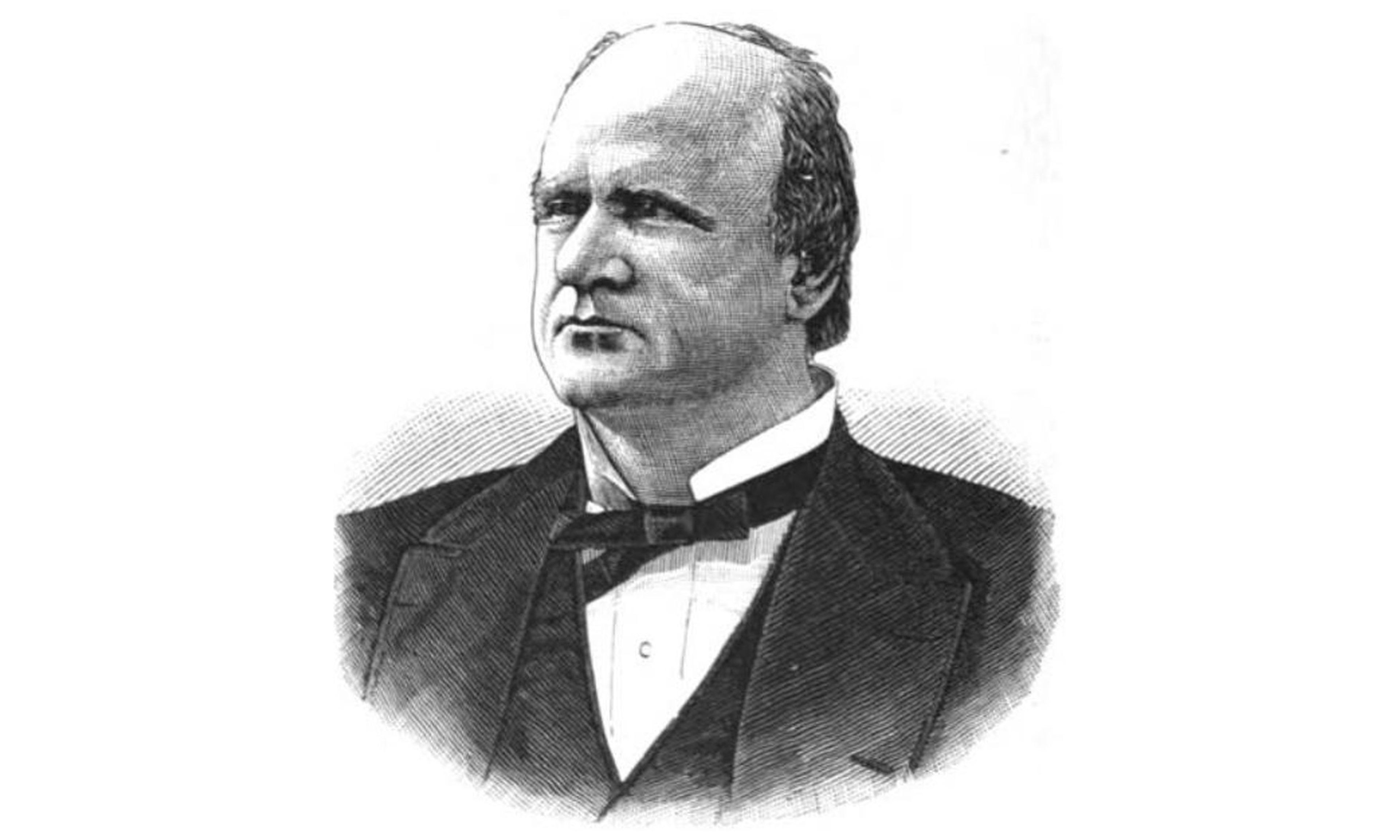
The Supreme Court’s decision in Students for Fair Admissions Inc. v. President & Fellows of Harvard College, which struck down preferences on the basis of race in college admissions, was based largely on the Court’s reading of its precedents in the area of race discrimination. The Court’s approach dates back to Justice John Marshall Harlan’s lone 1896 dissent in Plessy v. Ferguson, which argued that “In view of the Constitution, in the eye of the law, there is in this country no superior, dominant, ruling class of citizens. There is no caste here. Our Constitution is color-blind, and neither knows nor tolerates classes among citizens. In respect of civil rights, all citizens are equal before the law.” Beginning with Brown v. Board of Education in 1954, what was once Harlan’s lonely argument has gradually become the Court’s reigning approach to the 14th Amendment. It fell to Justice Clarence Thomas, in his lone concurring opinion, to make the case that Harlan’s view of Section 1 of the 14th Amendment was also the correct reading of Section 1 of the 14th Amendment as an original matter, a case that Justice Sonia Sotomayor tried lamely to rebut. As Thomas noted in his opinion, quoting Constance Baker Motley, Thurgood Marshall (who litigated and won Brown and many other cases challenging legal segregation) viewed Harlan’s Plessy dissent as “a ‘Bible’ to which he turned during his most depressed moments”; no opinion “buoyed Marshall more in his pre-Brown days.”
One of the stranger responses to this came from Jamelle Bouie of the New York Times, who decided to write a column attacking . . . Harlan. “If you read the most-quoted part of Harlan’s dissent in isolation,” Bouie writes, “you might get the impression that this former slave owner was some kind of anti-racist pioneer. The context makes clear he was nothing of the sort.” Bouie — who skips over Thurgood Marshall’s view of Harlan — makes two points. First, he argues that Harlan’s dissent is full of assumptions about American society in 1896 that we would regard today as racist:





Comments