

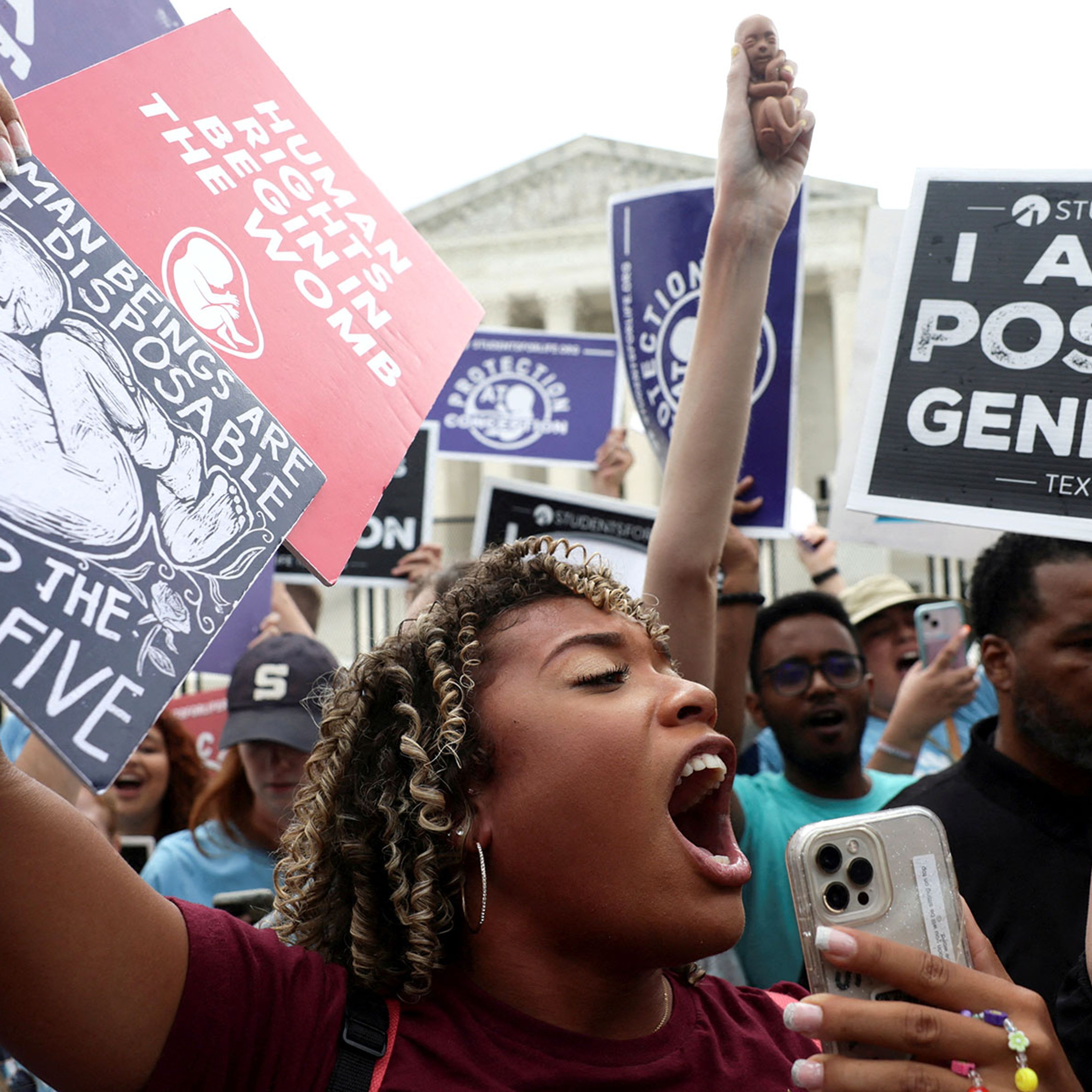
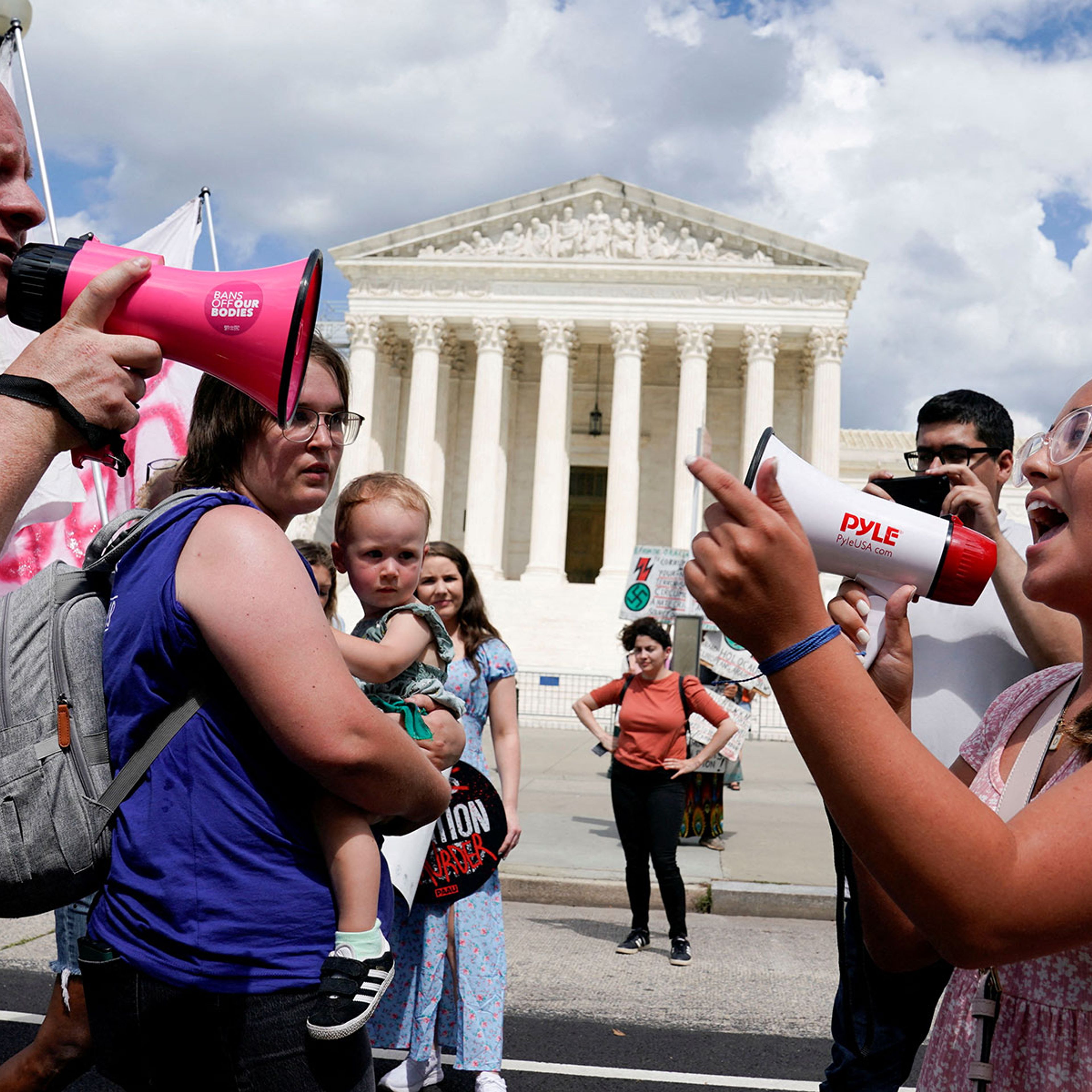
It’s been almost a year since the pro-life movement achieved its long-sought victory: the overturning of Roe v. Wade. Since the Supreme Court’s decision in last year’s Dobbs v. Jackson Women’s Health Organization, which returned questions of abortion regulation to the states, there have been real successes for the pro-life cause. There have also been challenges, however. And the movement itself remains collectively unsure what its next steps should be.
Leave it to the Human Life Review, which “for nearly five decades” has been “the place where pro-life leaders have explored the intellectual, cultural, and social context of the right to life movement,” to take a leading role in figuring out where pro-lifers should go from here. That description comes from Carl A. Anderson, a contributor to the Human Life Review’s recent symposium on “Where Do We Go from Dobbs?”
The symposium’s lead item, to which subsequent essays respond, is by George McKenna, professor emeritus of political science at City College of New York. McKenna emphasizes an obvious truth: Despite the victory of Dobbs, “the battle to save the lives of unborn children . . . is far from over.” Indeed, for McKenna, “our own fight is just beginning, and its locus is not going be in the courts; it will be in the state legislatures, the polling booths, the streets, and ultimately in the hearts of the people.” Moreover, “it won’t be easy.”
Yet all is hardly lost for pro-lifers, McKenna believes. For one thing, “our opponents are holding a weak hand,” particularly when it comes to late-term abortions, for which the case is “flawed both logically and scientifically.” McKenna calls for a pro-life strategy that recognizes the difficulties of the present political environment, arguing that “we can get only part” of what we want but can “come back later for the rest.” He also recommends that pro-lifers adopt a “central command structure” to aid our post-Dobbs efforts.
McKenna’s argument is as worthy of consideration as the rest of the symposium, which, in addition to Anderson’s, includes contributions from Helen Alvaré, Gerard V. Bradley, Clarke D. Forsythe, Edward Mechmann, William Murchison, Marvin Olasky, David Quinn, and Wesley J. Smith. It is a model for the conversation pro-lifers need to be having among themselves to achieve what remains an eminently worthy and essential goal.




Comments