
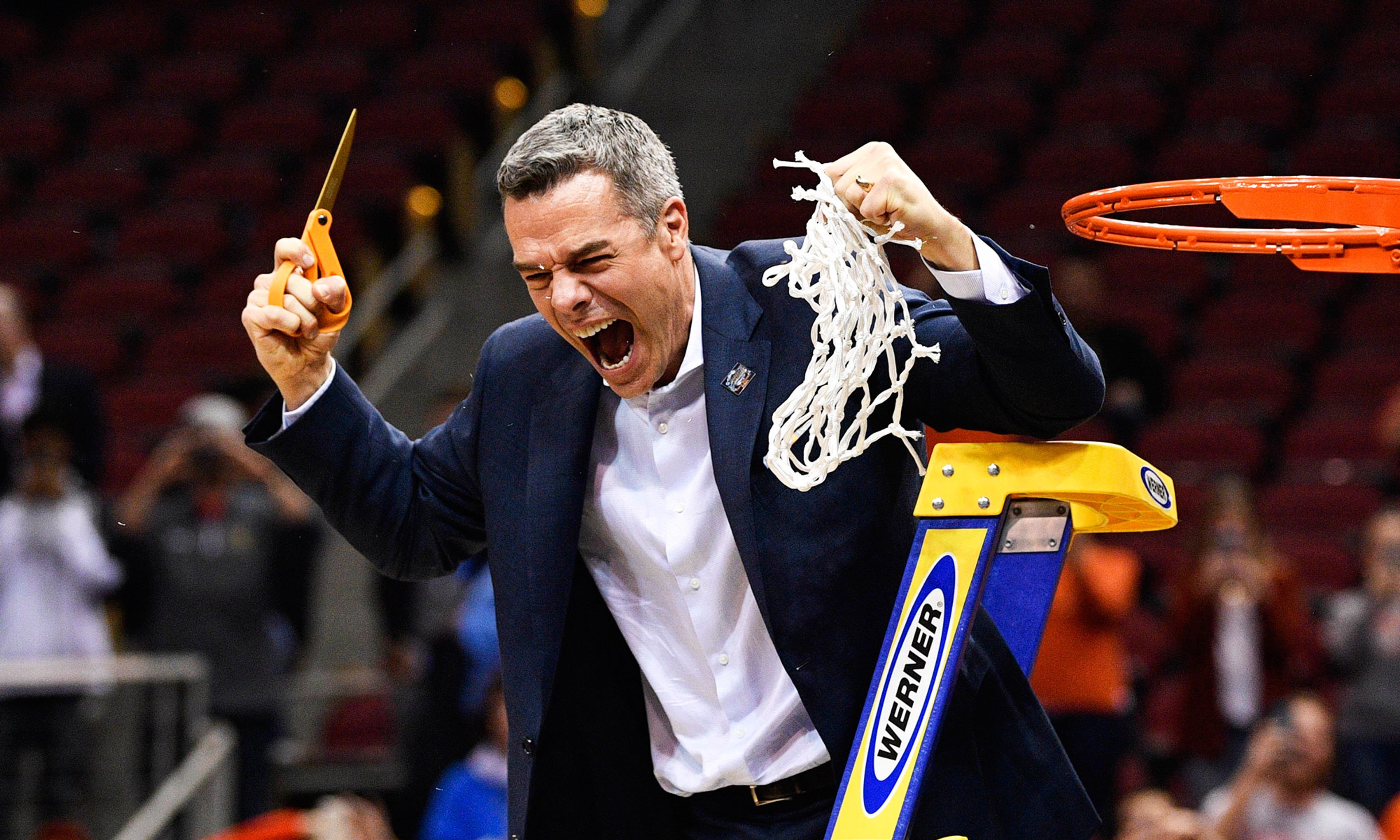
March Madness is almost upon us. Millions of fans will go nuts when their teams win (or lose). Almost nobody will stop to contemplate the costs.
One scholar who has is emeritus professor of economics at George Mason University James T. Bennett. He has done a great deal of excellent work over the years, particularly on labor law, and his latest book, Intercollegiate Athletics, Inc. takes on the enormous college-sports establishment.
In today’s Martin Center piece, I offer my thoughts on Bennett’s book.
He gives the reader a good historical account of the growth of intercollegiate sports, focusing mostly on football. Games began as purely student-led affairs, but in time college officials got involved. Most went along with the hoopla, but a few leaders tried to rein it in, seeing that an obsession with success on the gridiron was inconsistent with the educational mission of their institutions. They got blitzed, although Robert Maynard Hutchins held on to his job after taking the University of Chicago — a huge football powerhouse in the 1920s — out of the Big Ten and dropping football.
The costs of big-time sports (football and basketball) are very high, and they fall in part on students through mandatory fees. Those fees add to the already high cost of college. Students have to pay up regardless of whether they’re interested in “their” teams.
Another big problem is the way schools recruit academically weak players and relax their academic standards to keep them eligible to play. Bennett recounts some of the scandals, especially the University of North Carolina’s, where football and basketball players got to take phony classes where they’d get A’s.
What’s the solution? Bennett doesn’t see a likely one.






Comments