
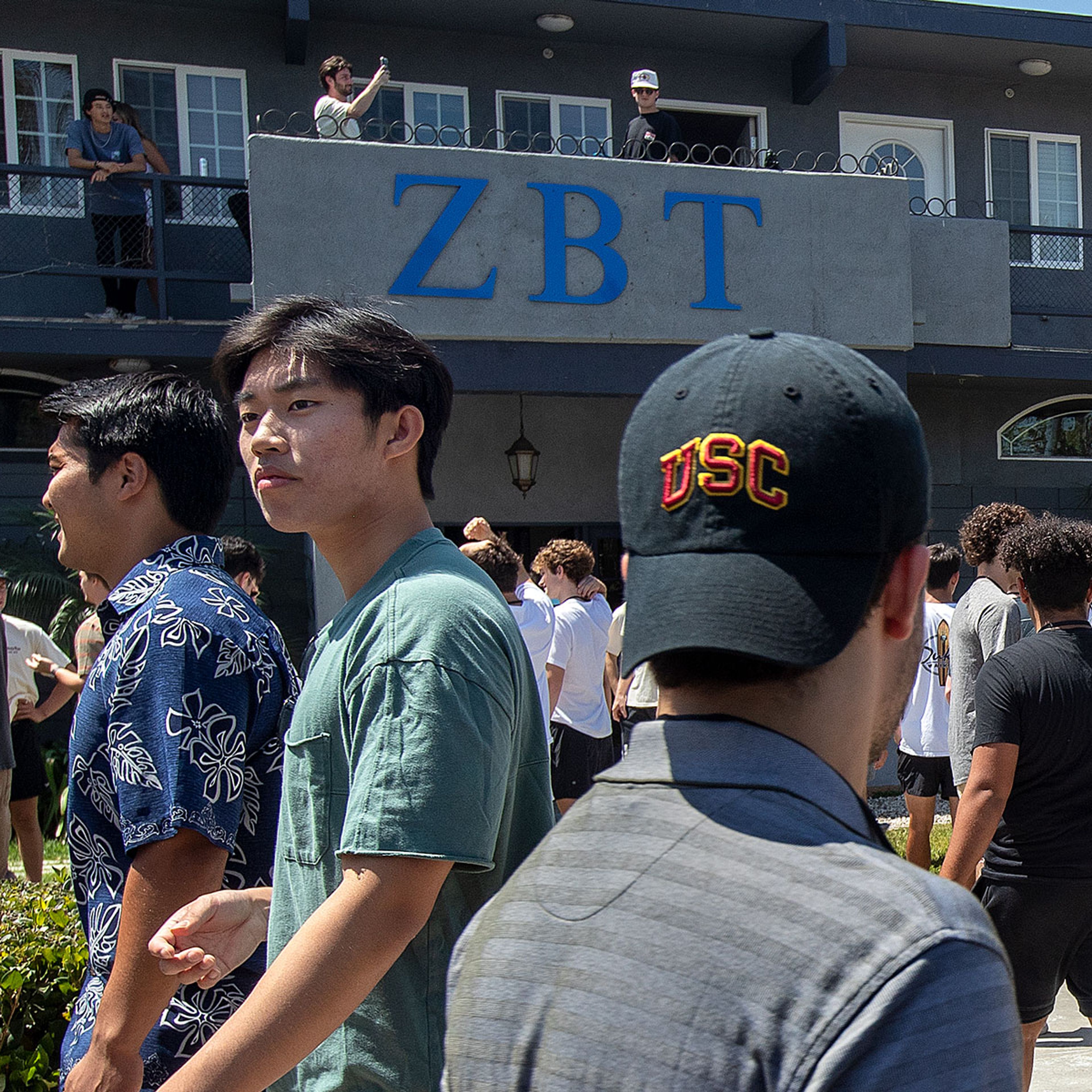
Fraternities are under fire. “Woke” college officials denounce and seek to ban them. Supposedly, fraternities just contribute to America’s “rape culture” and have no useful functions at all.
It isn’t surprising that the subject of fraternities has brought forth a book and in today’s Martin Center article, Professor Jonathan Marks reviews it. Rather than a rant against fraternities, Marks finds that the book (Fraternity by Alexandra Robbins) is a useful investigation into the subject.
Marks writes:
In sober moments, opponents of all-male social organizations concede that they have “positive qualities.” But they demonize them anyway: “the influence of these organizations on campus life and in shaping mindsets,” says one Harvard committee, “is impossible to escape.” No time for nuance when one seeks to break and control the violence of frat boys.
Similarly, defenders of fraternities acknowledge their deficiencies. But because Harvard and others have been so ham-fisted, so hostile to the freedom of association of their students, and so wedded to a hyper-partisan understanding of “diversity,” it has been easy to dwell instead on the political correctness monster that seeks to crush fraternities’ valuable aspects along with the harmful ones.
For her book, Robbins interviewed college men who had decided to join fraternities and she found both deplorable stuff (some fraternities are all about sex and booze, dominated by horrible guys) and some good influences toward the shaping of character.
Marks finds the book to be a pretty good work:
Robbins is a journalist, not a philosopher, and when she departs from reporting, she too often relies on what “studies show” or on warmed-over gender theory. But her nuanced account of where fraternities are now is a useful starting point for people who wish to get beyond merely observing that Harvard shouldn’t be out to destroy single-sex social organizations. Once that observation has been made, one has to get down to the task of teaching, in which fraternities sometimes play, and could more often play a constructive role.




Comments