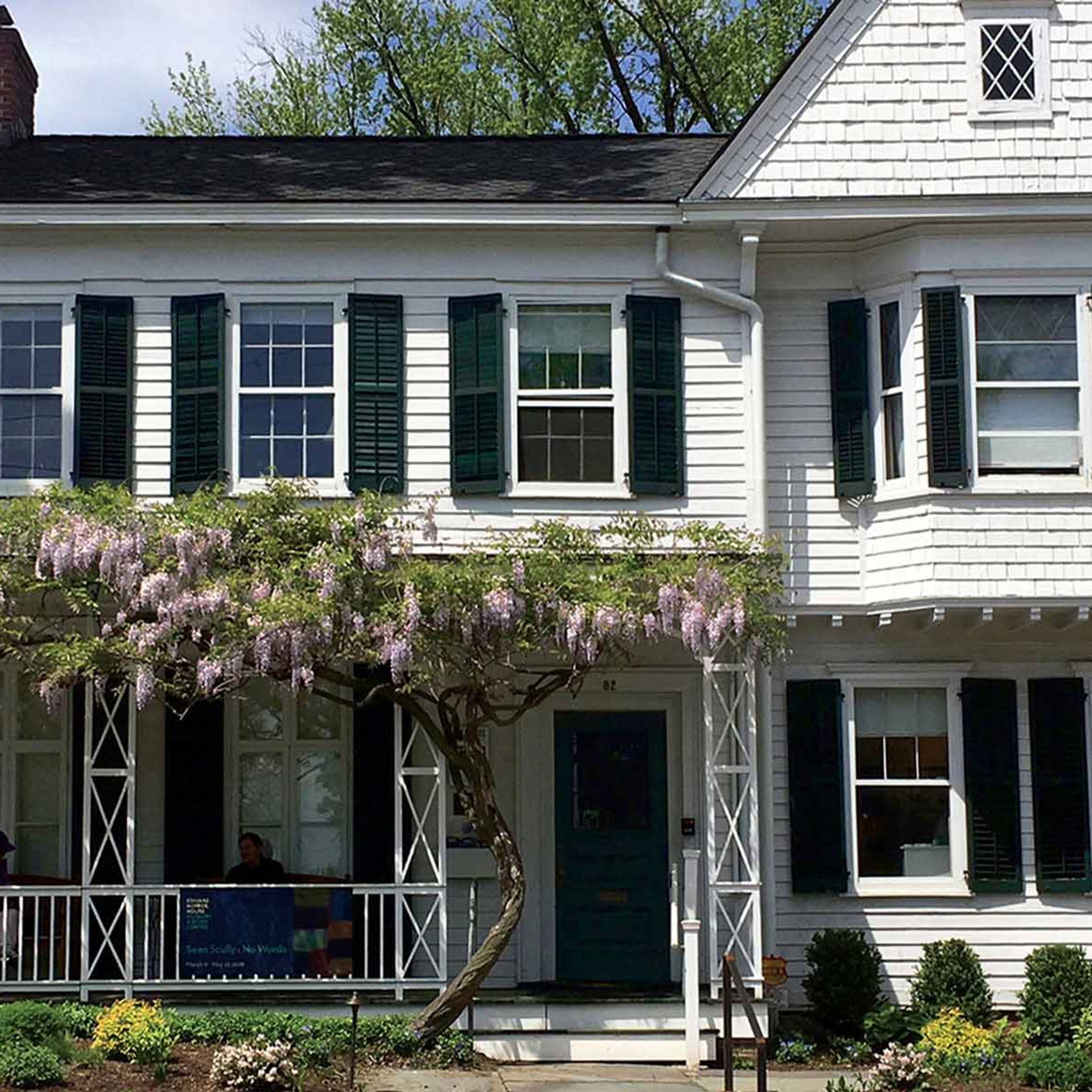
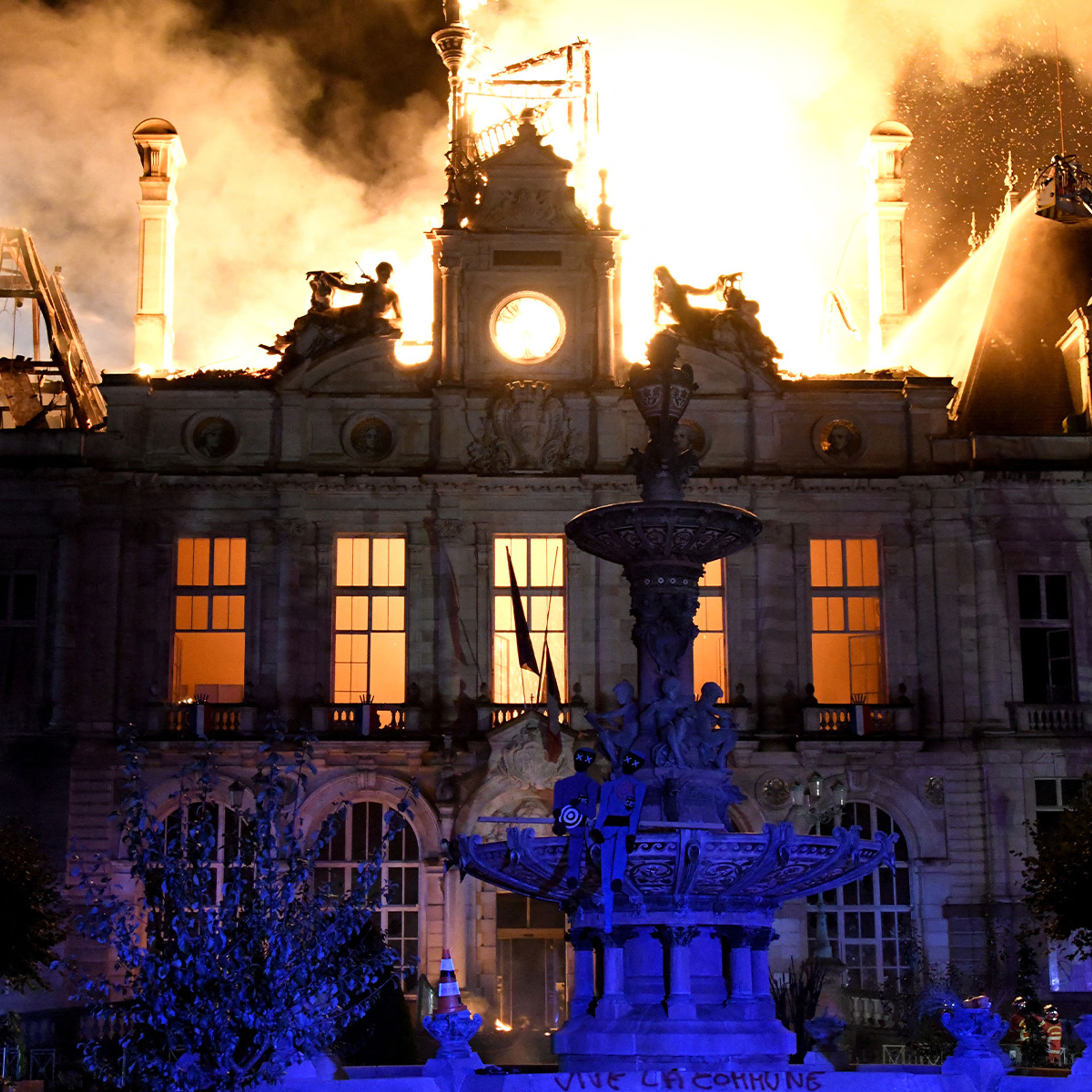
Yesterday, I had a little post — a rant, I called it — about architecture: about the beauty and appeal of old buildings versus the ugliness and even nastiness of newer buildings. (Find it here.) This post struck a nerve, it would not be too much to say. Seldom have I seen an item provoke so much mail. People care about this issue quite a bit: more than I might have guessed. By the way, if you’re interested in volumes of mail: I think the most mail I’ve ever received was in response to a piece I did about the honorific “Dr.” I considered the mail a real peek into the American psyche. Also, years ago, when I was at The Weekly Standard, I did a piece on the glorification of adultery (taking off from a special “Valentine’s Day issue” of People magazine). That, too, struck a nerve, as may not surprise you. Anyway, thank you to all readers who wrote in about architecture. A great many readers sent pictures: of the good, the bad, and the ugly. Many sent pictures of the high schools they went to: beautiful, gracious, sometimes spectacular buildings. As I commented in my “rant,” I noticed a pattern when I was a kid, traveling around Michigan. It was this: In the middle of town, there was a beautiful school that used to be the high school. Then the town got bigger and needed a larger high school. The beautiful school in the middle of town was now the middle school; the new high school was farther out and was ugly as sin — soulless, too. Almost at random, I’ll share something from a reader — a lawyer. He writes, “I like attending hearings in Riverside County, Calif., despite the ghastly drive, a lot more than I like attending them in my own Orange County Courthouse, up the freeway. Why? This versus this.” And, frankly, the second courthouse is not nearly as bad as it might be. Waxing philosophical, a different reader writes, “The beautiful public buildings from earlier eras reflect in part the belief that good buildings produce good citizens and good government. Good public buildings, like the public baths you pointed out, were prescriptive in a sense. The expectation was that they uplifted the common man and tamed the dishonest pols. Of course, even if this isn’t true, why did we need to abandon beauty?” Another reader wrote (and I paraphrase), “Jay, with all your fussin’, are you willing to spend more on public buildings?” First, I don’t think it’s a matter of cost. I think it’s a matter of taste, sense, judgment — soul. I’m not convinced that it takes more money to erect a beautiful building than it does to erect an ugly one. And second: I think the government should spend money on clear governmental purposes — not on “free false teeth,” to borrow one of my favorite Buckley lines. A government is responsible, at least to some degree, for the public square: for our public libraries, public schools, courthouses, and the like. And those buildings ought to be adornments to the environment: ought to please and even inspire. We should have edifices that edify (if you don’t mind something sing-songy). The public square — the physical atmosphere — is important. So, yes: Fewer free false teeth, more buildings like that public bathhouse, which, again, is here. One more thing — Impromptus readers have heard me say this: My favorite piece of art criticism ever was uttered by Paul Johnson (no surprise). We were on an NR cruise — Rhine River. We were approaching the Cologne Cathedral, on foot. Johnson noticed the modern buildings — hideous — surrounding the cathedral. He said under his breath, with some heat, “Savages.” (It might have been “Barbarians.” Either way . . .)

Share this story

About the Author
Jay Nordlinger was a senior editor of National Review and a book fellow at National Review Institute.
Advertisement
Advertisement



Comments