
The murder in 2006 of Alexander Litvinenko is a true sign of the times. What occurred is a coupling of low crime and high technology. Evidently Vladimir Putin wanted to get rid of a man who knew too much, and Russian secret-service agents administered a radioactive poison that is virtually undetectable. Two such agents, Andrei Lugovoy and Dmitri Kovtun, have left radioactive traces that make them the prime suspects.
This foul deed rested on the assumption that the British reaction would be supine. The Foreign Office would as usual wring its hands. Sure enough, an official inquiry under a former judge has begun proceedings only after nine years of prevarication. On the first day, a scientist testified that the post-mortem could have been fatal to the pathologists, and was in all likelihood the most dangerous ever to have been carried out.
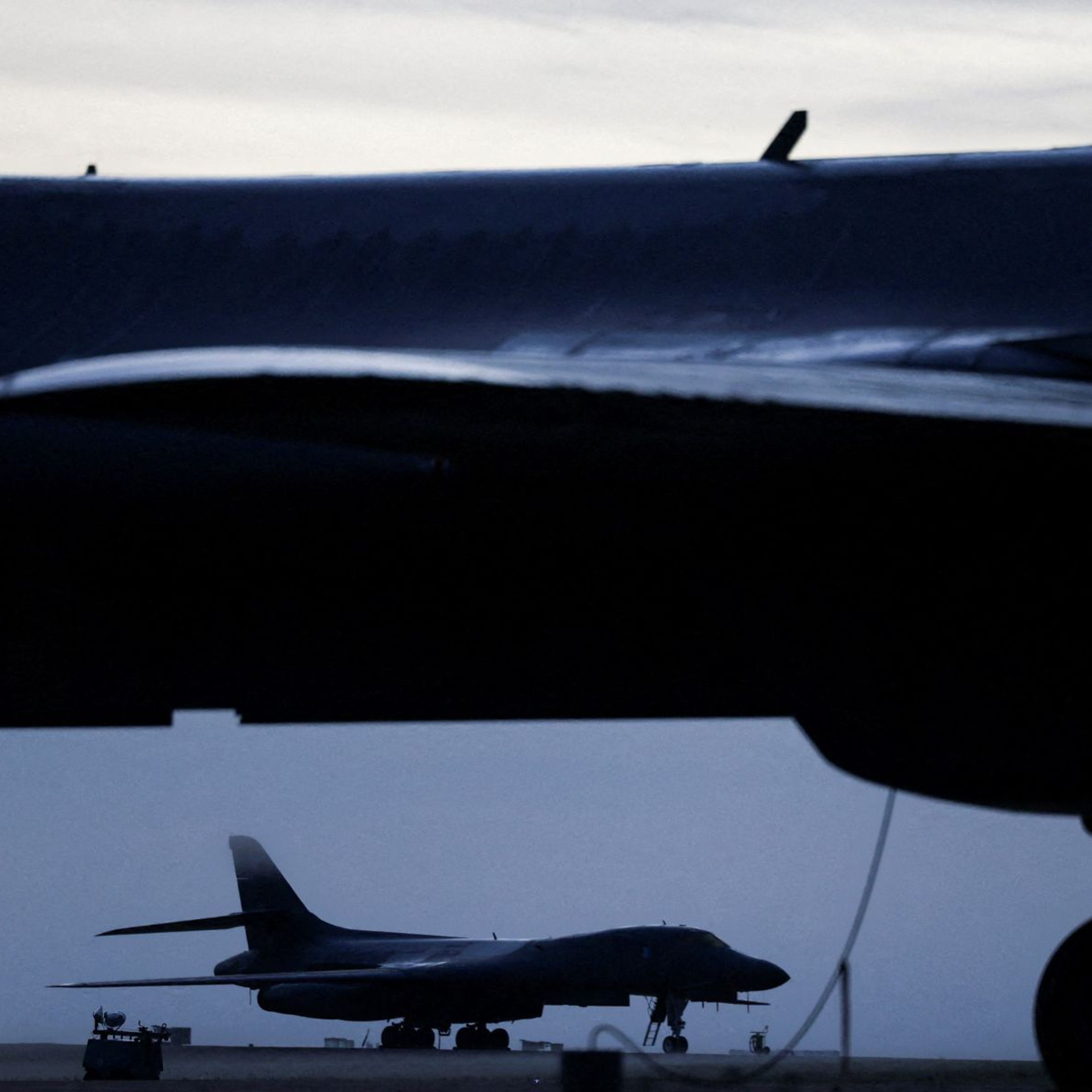
Back in Moscow, Andrei Lugovoy has made sure to avoid extradition and accuses the British of removing the mothballs from this case, as he puts it, to distract from the general election to be held in May. But just to make sure that the British get the point, also on the first day of the inquiry two Tupolev bombers capable of dropping nuclear bombs flew over the English Channel on the edge of British air space. Fighters scrambled to see them off, but not before what was described as “disruption to civil aviation.”
Nor is it a coincidence, as the Soviet comrades used to say, that the Russians have raised the level of violence against the Ukrainian port of Mariupol. Television news has clips of rocket launchers and crews in action that are supposedly local but evidently — and menacingly — brought in from Russia. “Provocation” here is a tried and tested technique of accusing your opponent of the crimes you have yourself committed. Of course they claim that the Ukrainians are shelling their own people. Can’t be long before we are told that Litvinenko died because someone in Britain gave him access to a leaky nuclear plant; and besides, Tupolev bombers are purely defensive.

Comments