
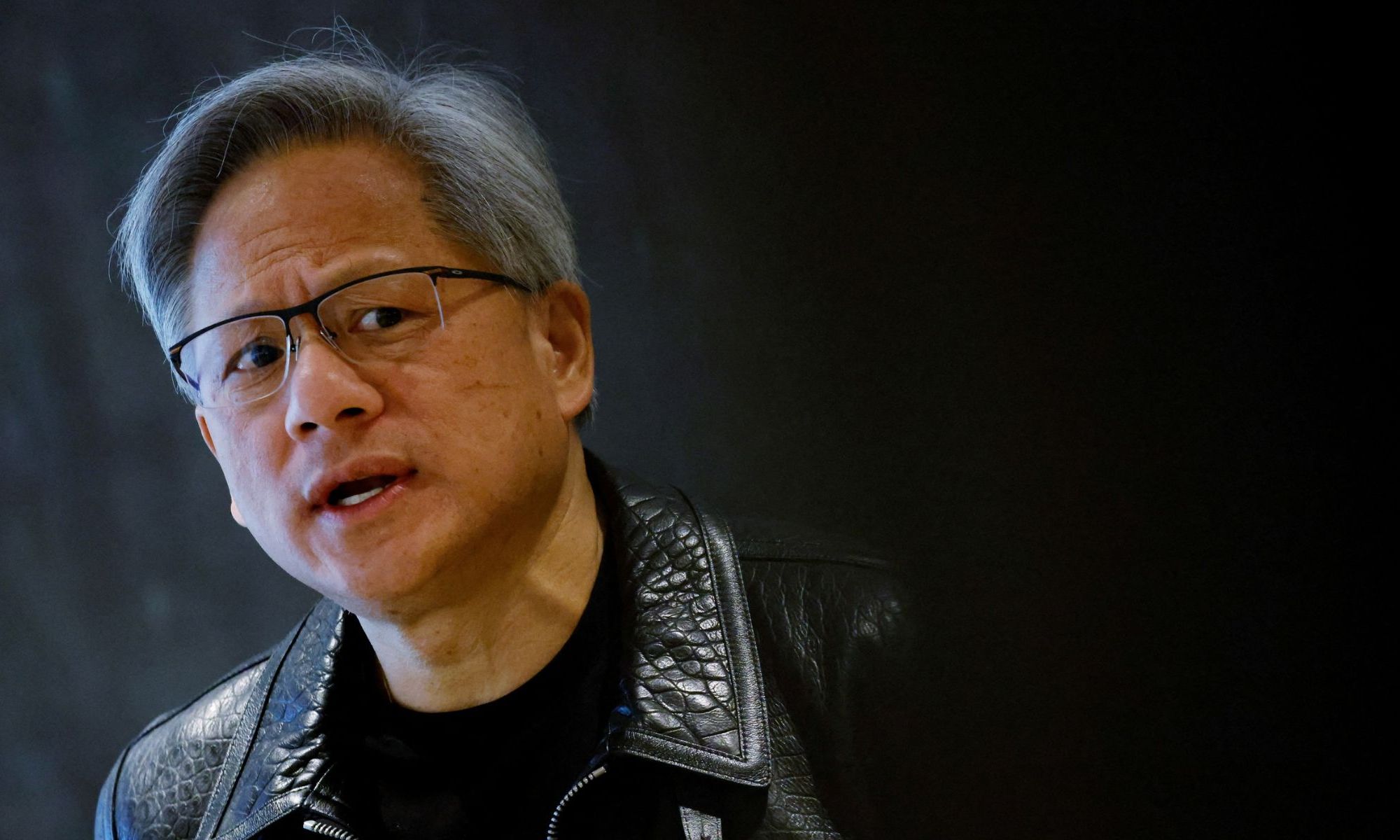
In a post last night, I contended that the scandal centers, not on a spy trap in which the company was victimized when its (now former) chief executive officer, , was seduced by a Chinese operative, but on a criminal scheme to evade U.S. export restrictions in which the CEO and the company were more likely complicit.
That is not to say Alice Huang was not an intelligence asset. To reiterate what I outlined in a separate post yesterday, there is immense evidence that she covertly advanced the communist Chinese regime’s interests. But that simultaneously proves too much and seizes on the wrong thing: (1) because of how the law of Xi Jinping’s totalitarian regime works, all Chinese citizens and entities (whether overtly state controlled or risibly denominated as “private”) are subject to the government’s espionage and sabotage demands; (2) violating federal law export restrictions — especially those related to advanced technology that can increase China’s military and cyberespionage capabilities — is a serious crime, so obviously anyone knowingly complicit in that activity is going to act covertly; and (3) the “spy” question elevates the collateral issue of how much (if any) espionage training Alice Huang had over the salient issue of whether she functioned as an agent of a foreign power (there is abundant evidence that she did).


Comments