
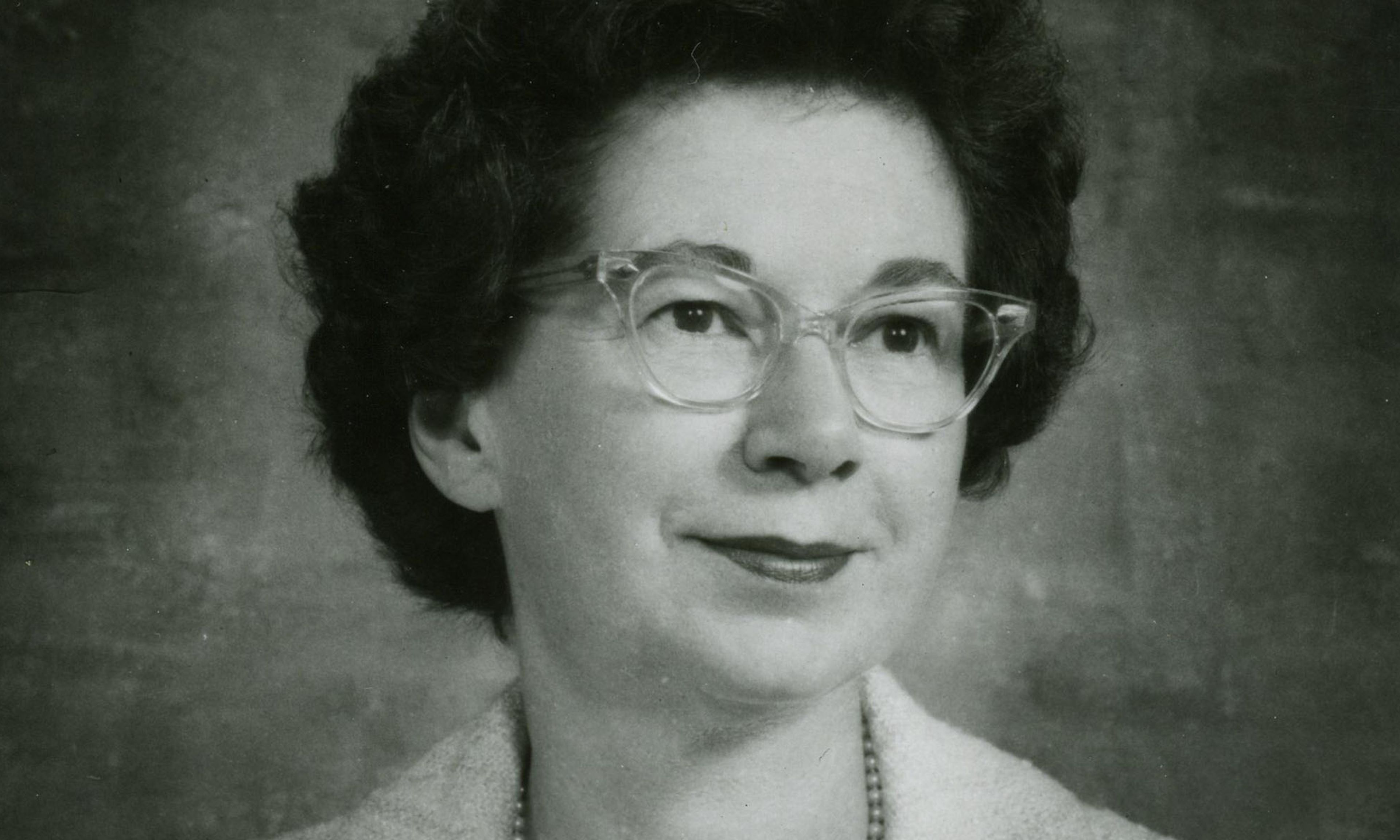
For years, I had our family’s copy of Socks, by Beverly Cleary, tucked carefully under the back bathroom sink for easy access. Our copy of her Henry Huggins was battered, Ramona the Pest was in pieces, and Ellen Tebbits was prime read-aloud material. Audio books of Ramona and Her Mother, Ramona Quimby, Age 8, Otis Spofford, and more still keep us entertained on long car rides. These stories and many others have been staples in my family’s life for years now, and we often launch into a retelling of a Ramona escapade as if she were related to us.
When Cleary turned 100 in 2016, she told reporters that she “didn’t do it on purpose.” Born in Oregon, and after a brief struggle learning to read, Cleary began a lifelong relationship with books and stories. She started her career as a children’s librarian, but after being confronted by a disgruntled student who allegedly asked, “Where are the books about kids like us?” she set to work creating some of the most beloved characters in children’s literature.
The delightfully pesky Ramona Geraldine Quimby is perhaps Cleary’s most well-known character, but we mustn’t forget Henry’s poor dog Ribsy, daring Ralph S. Mouse, and dear Emily of Emily’s Runaway Imagination. Cleary captured the joy and sincerity of childhood, portraying carefully the sorrows and small injustices which we adults tend to brush off but that carry so much import when one is six. Or twelve. Or 15. Cleary cared about her characters’ feelings, but she also understood the importance of humor and used it very well. Who can forget Ramona accidentally cracking a raw egg on her head? Or Ellen Tebbits’s hatred for her long underwear? My personal favorite was when Ramona and her sister Beezus complain one too many times about dinner and are told by their parents to cook a meal by themselves. The ensuing kitchen chaos of skinning raw chicken, yogurt substitutes, and canned peaches for dessert still makes me chuckle. Importantly, as Addison Del Mastro notes at The Bulwark, Cleary had a knack for depicting her characters in all their whimsy and charm without making their parents look dumb or out of touch. In today’s literary culture, this is a rare feat indeed.
A prolific writer, Cleary published more than 40 books in her lifetime, but it isn’t the number of books that entitles her to a high ranking on the list of giants in the children’s literary world. It is the lively tales of children going about their days, children with whom you used to play, the child each of us used to be.
Generations past, present, and future should be grateful to her for the literary joy she brought to all who read her.





Comments