
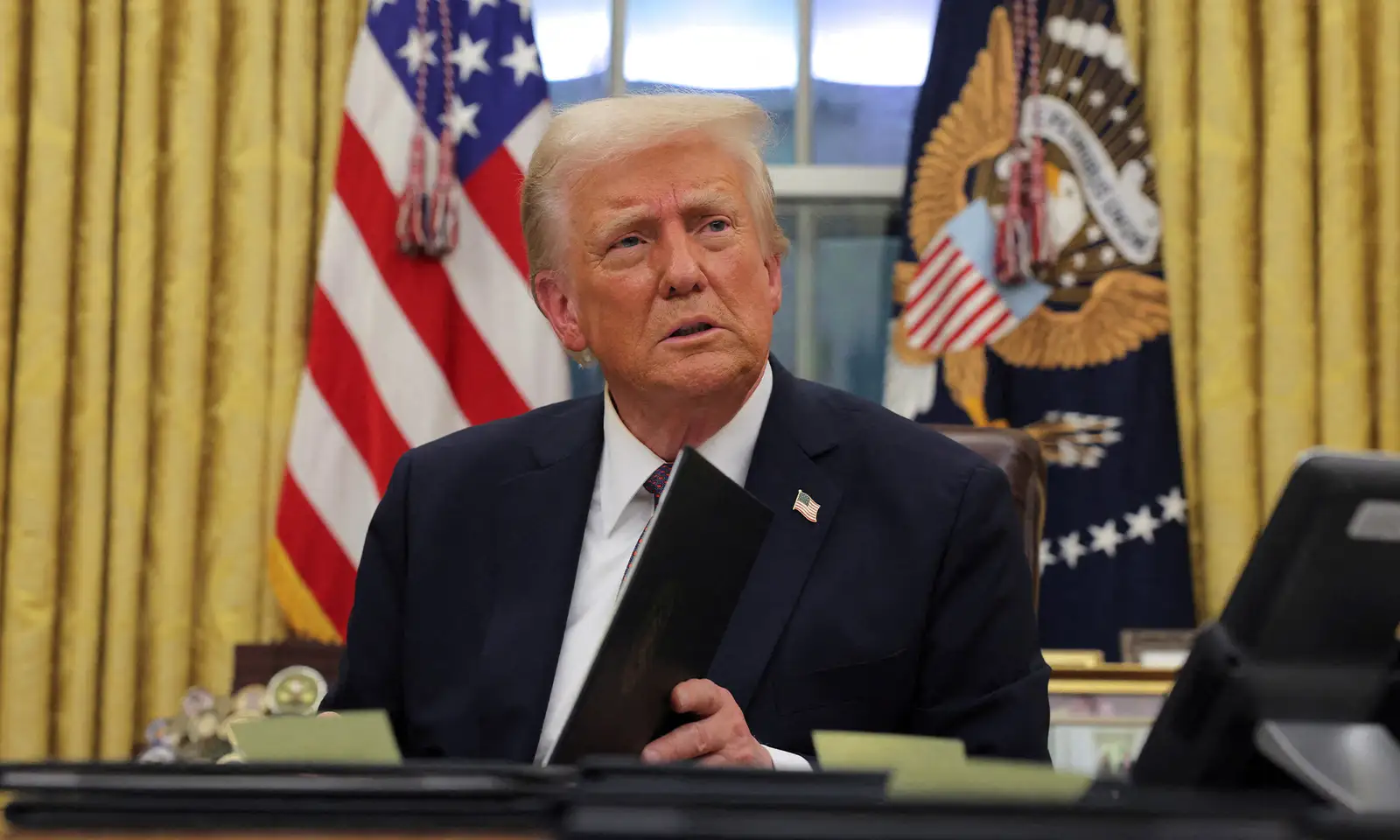
Donald Trump is trying to end birthright citizenship by executive order, specifically by limiting it to children born to citizens or to lawful permanent residents (i.e., green-card holders). The legal problem this encounters is twofold. First, the 14th Amendment explicitly states, “All persons born or naturalized in the United States, and subject to the jurisdiction thereof, are citizens of the United States and of the State wherein they reside.” (Emphasis added.) The language is broad and explicit, subject to the very narrow exception that the person born here must be “subject to the jurisdiction” of the United States (more on that in a second). Second, the Supreme Court held in United States v. Wong Kim Ark (1898) that birthright citizenship extends to the children of non-citizens; in Plyler v. Doe (1982), the Court ruled that illegal aliens are “persons” protected by the due process and equal protection clauses.
The Trump order relies on legal arguments of John Eastman, Edward Erler, and others for challenging this reading of the citizenship clause and launching a frontal assault on Wong Kim Ark:

Comments
On “Birthright Citizenship Is Still in the Constitution”