
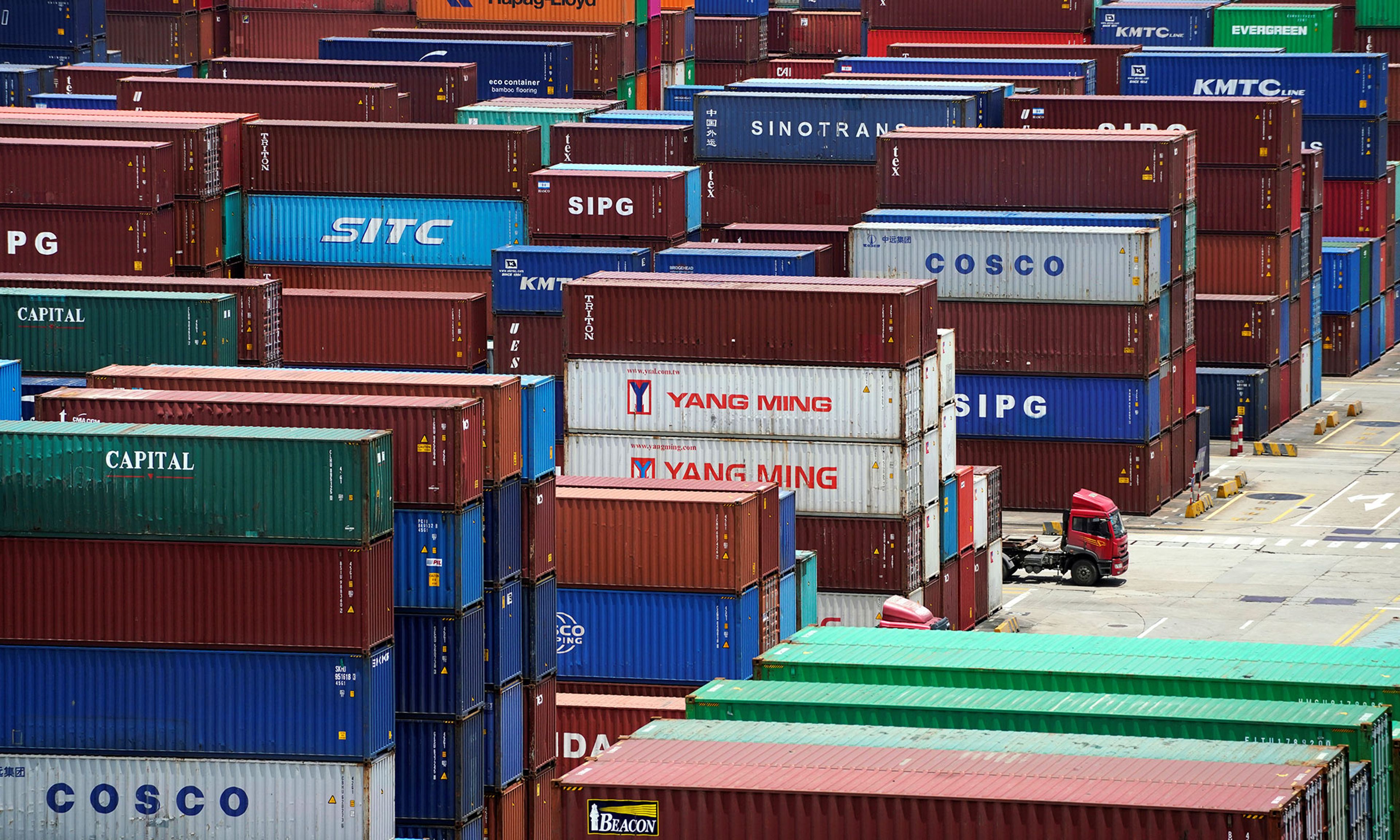
For MarketWatch, Brett Arends writes, “Most of what the public is being told about [the Trump administration’s tariffs on imports from China] is either misleading or a downright lie.” What he means is that other people who write or talk about the tariffs aren’t making points that he considers extremely important.
These points are that tariffs are merely taxes, and these taxes are not large as a proportion of the federal budget. He writes, “Yes, tariffs are ‘costs.’ But they do not somehow destroy our money. They do not take our hard-earned dollars and burn them in a big pile. Tariffs are simply federal taxes. That’s it. The extra costs paid by importers, and consumers, goes to Uncle Sam, to distribute as he sees fit, including, for example, on Obamacare subsidies . . .
“And the amounts involved are trivial. Chicken feed.”
The reason other people have not emphasized these points is that some of them are false and others don’t have much to do with why economists generally look on tariffs with disfavor.
It is not, for instance, true that all the higher costs that importers and consumers pay as a result of tariffs go to the treasury. Let’s say you’re laid off because the company you work for is paying more for machinery, you’re paying a cost that doesn’t increase tax revenue. If the company is paying more for machinery from a U.S. supplier that was able to raise prices because of the tariff, the extra money it’s paying (and its customers may be paying) doesn’t increase tax revenue either.
Tariffs tend to be a relatively inefficient way of raising federal revenue because of these kinds of effects: They do a lot of damage to the economy per dollar raised. (You could even say they “destroy our money.”) But the words “deadweight loss” do not appear in Arends’s article.
Arends writes that “the total value wiped off U.S. stocks during Monday’s panic was about $700 billion. More than 20 years’ worth of the new tariffs.” One possible explanation: The economic effects of the tariffs aren’t limited to the revenues they produce. Another: The market was responding not just to the Trump administration’s tariffs but to the tariffs China imposed in response — as the story to which Arends links plainly says — and to the possibility that more cycles of retaliation are in store.
We could also go with Arends’s theory, that markets aren’t as rational as he is.




Comments