
Have you ever boycotted, or otherwise stayed away from, an artist for political reasons? Or moral ones? (Often the political and the moral are related.) Have you ever decided not to listen to someone’s music, or read his novels, or watch his movies, because you objected to his politics or his moral conduct? Or do you make a strict separation between art and the rest?
This is the subject of a piece I have written, published on the homepage today (here). It is a personal piece, but one that everyone can relate to, I would think. The question has come up in recent weeks with the Russian assault on Ukraine and controversies surrounding Russian artists, especially strong and vocal backers of Putin.
I think of a phrase: “the bloody crossroads.” Lionel Trilling spoke of “the dark and bloody crossroads where literature and politics meet.” His student Norman Podhoretz wrote a book in the 1980s, using “the bloody crossroads” as his title. (Wonderful book.) Well, the crossroads where music and politics meet — and other arts and politics meet — can be fairly bloody as well.
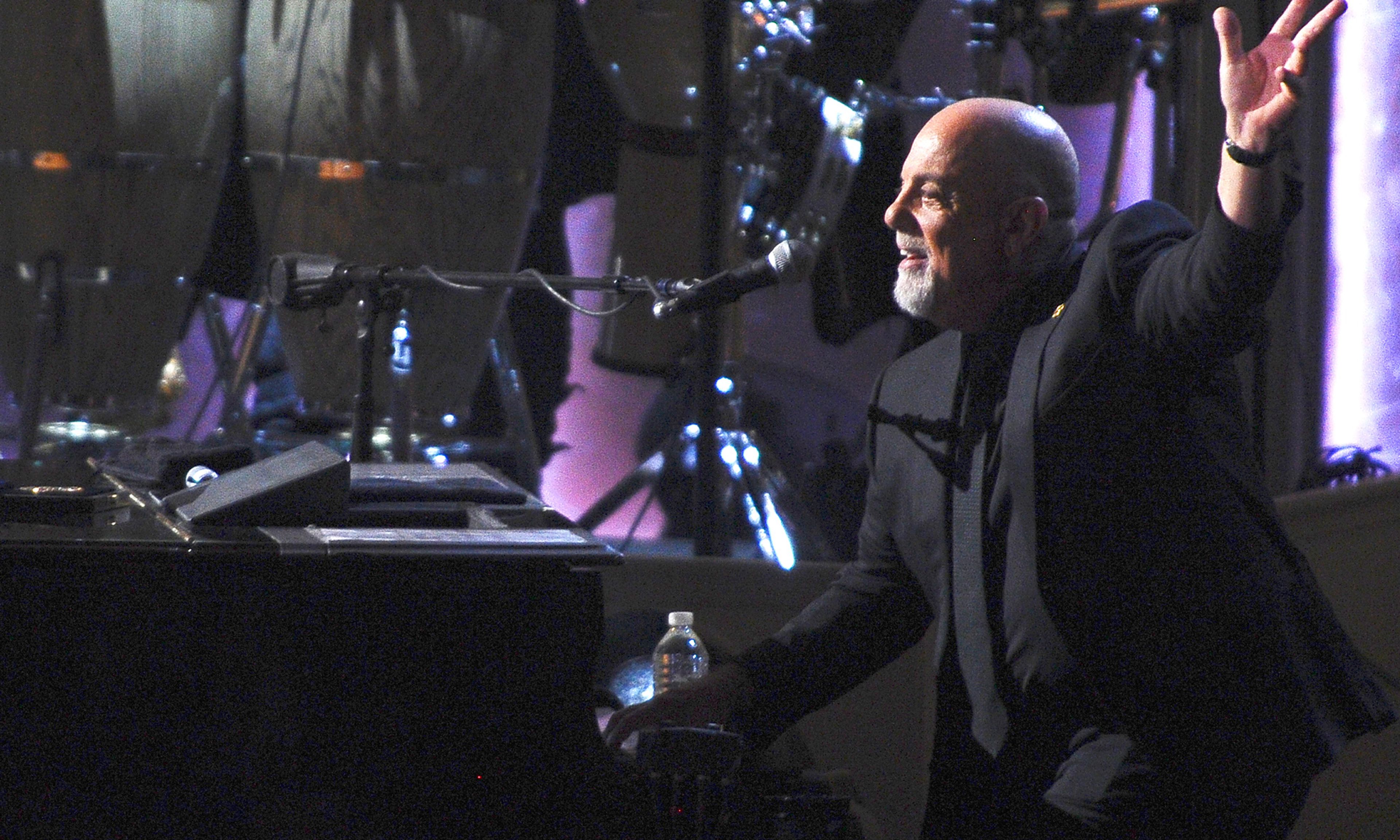
In my piece, I quote two lyrics from popular songs, believe it or not. (Usually, I am quoting lyrics from unpopular songs.) Backers of Putin have made their decisions over the years. “But you can make decisions too.” That’s a line from a Billy Joel song. I have found many occasions in life to use it. And what are your priorities? What does your conscience dictate? It’s a pretty personal thing, isn’t it? I often have occasion to quote a Lyle Lovett song: “It may be no big deal to you, but it’s a very big deal to me.” Yes, yes, a thousand times yes.
Now and then, you may take a private stand — a stand that’s important for you, personally, but that no one else knows about (or cares about). Otto Reich, the American diplomat and foreign-policy analyst, told me something a long time ago. In his early life, he avoided shaking the hand of Somoza, at a work event. Sometime later, he avoided shaking the hand of Pinochet. Born in Castro’s Cuba, he has always been anti-dictator, whether the dictator is left or right. Otto is a democrat. I myself arranged to be absent when a representative of an unsavory regime was present. I didn’t tell anyone else about it. I was just . . . not there. It mattered to no one but me.
Anyway, you might be interested in my piece today. It’s called “When Politics Invades Art.” I will quote a few lines, and then publish a letter that may make you smile.
Elisabeth Schwarzkopf, the great soprano, made several films for Goebbels. What am I going to do about that? Schwarzkopf is sovereign, in hundreds of songs, and not a few opera roles.
My colleague Fred O’Brien sent me a note saying,
When I was growing up, and well into adulthood, my father would play his favorite recording of Messiah every Christmas. Once, knowing nothing about any of the artists, I decided to read the liner notes. The entry on Elisabeth Schwarzkopf gave a detailed account of her origins, her education, and the first few years of her career, up to a triumphant engagement (I forget in what piece) in 1939. Then the next paragraph began: “In 1945, she . . .”
!! Precisely so.





Comments