
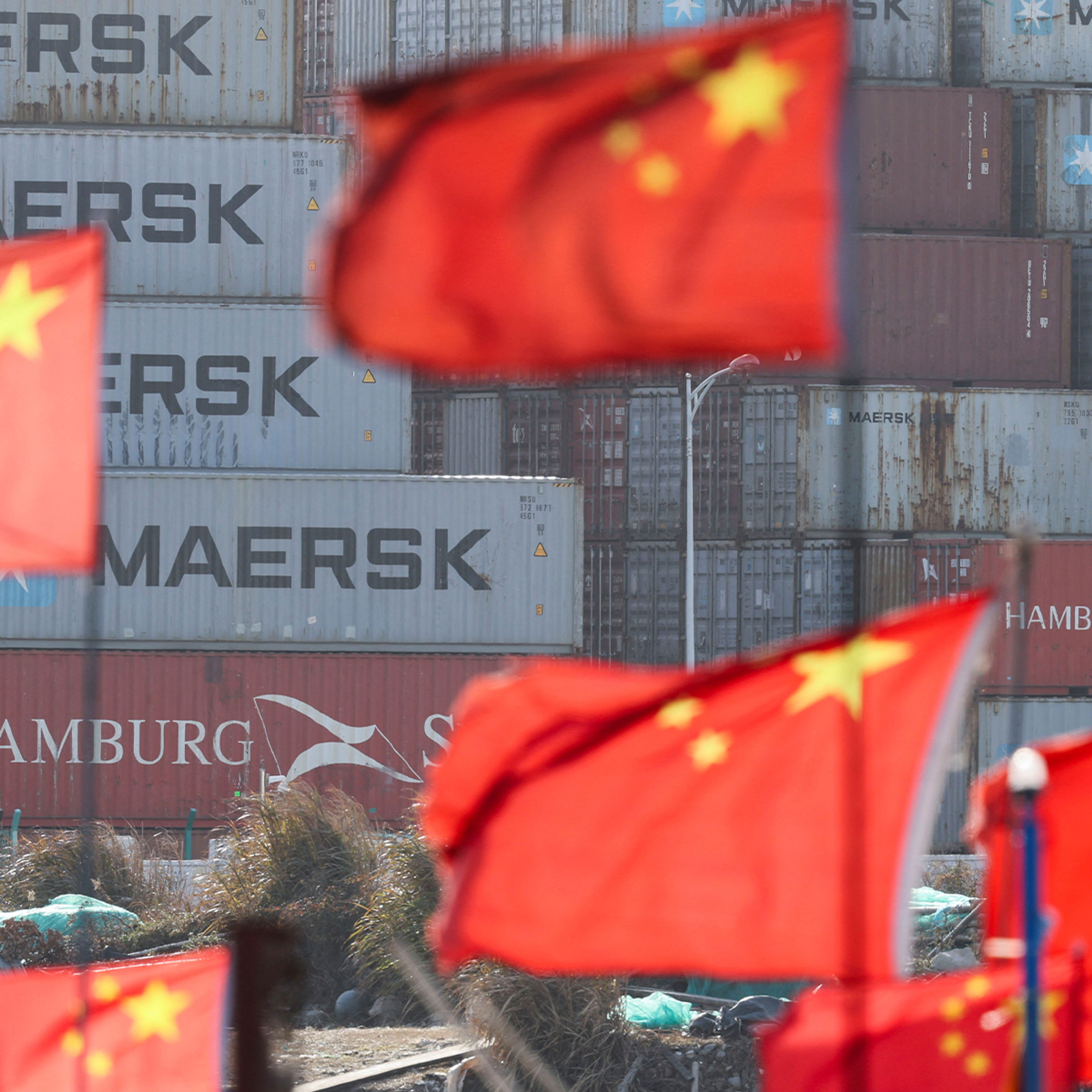
The administration’s goals in its trade conflict with China have not always been clear, in part because top officials inside the administration have been at odds. Some of them believe that a reduced bilateral trade deficit with China should be our paramount objective; some are more concerned to make China end such practices as forced technology transfer and intellectual property theft. The administration also wants to expand investment opportunities for American firms in China, which is another way of describing the outsourcing that Trump often decries.
Bloomberg reports that one of the administration’s asks of China is for it to shift the mix of its tariffs on American exports away from agricultural products. The political logic of this move, given that farmers have suffered from the trade war and are a largely Republican constituency, is obvious. But it further puts into question what the administration’s goal is, and whether it has kept it in sight.
One of the main arguments for Trump’s new approach to trade was that naïve free traders had scanted the importance of our manufacturing sector and allowed it to shrivel. They had foolishly maintained that a dollar of potato chips and a dollar of silicon chips were equally valuable to an economy. But now the administration appears to be trading away manufacturing interests to help farmers.
Which is also a reminder that, whatever the grand strategic theory is invoked to justify protectionist initiatives, they run a high risk of devolving into unproductive interest-group politics.


Comments