
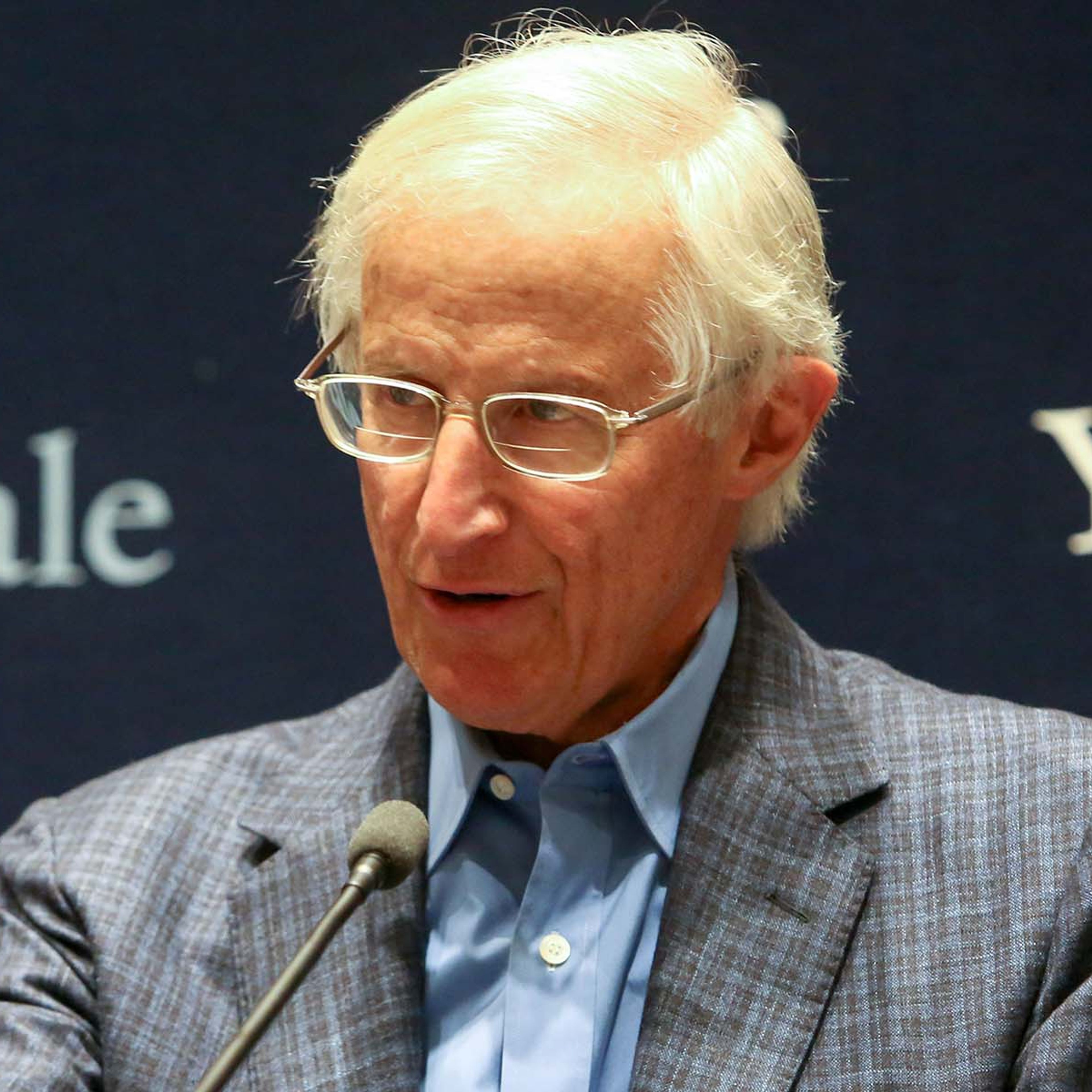
This recent Spectator piece by Yale professor Robert Mendelsohn is well worth a look.
His key point:
Extreme [carbon reduction] targets should be abandoned in favour of a mild global climate change policy that tightens over time as the problem worsens. Looser targets both give society more time to find new technology and require less abatement. In short they are cheaper, and that means we can adjust to them more easily. And there are better reasons to choose less stringent targets. If the costs of the programme are very high, the incentives by each country to cheat will be high and the international treaty will probably be weak. However, if the costs are low (that is, the targets are reasonable), every major polluting country in the world could afford to join. The worst environmental outcomes could be avoided and the treaty could be binding. Greenhouse gas policies should be more proportional to the risks associated with them. The damage of a ton of greenhouse gases rises as the concentration of greenhouse gases rise. The optimal policy should reflect this fact. Overall abatement costs are also expected to fall over time as technology advances. Both of these forces suggest that abatement should be phased in over a period of time. Policies should be dynamic: starting modestly and then increasing as damages rise.
I should mention that Professor Mendelsohn is no “denier” (to use that ugly term), but instead approaches the potential problem of AGW with a subtlety that the Al Gores of this world are unable (or unwilling) to manage:
The empirical scientific evidence, as reported by the IPCC, makes clear that burning fossil fuels leads to emissions of greenhouse gases which are accumulating in the atmosphere and warming the planet. However, the evidence is quite unclear about precisely how much damage this is causing. Considerable uncertainty surrounds many factors. The trajectory of future emissions, the magnitude of the resulting climate change, the way that ecosystems and ice shields are going to respond, and the consequences for human populations. Contrary to Lord Stern’s suggestions, most of the evidence suggests that the net effect of warming will be only moderately harmful over the next century, with only a small probability of dramatic consequences for the next 90 years. Nor is the effect uniform: some places will suffer, but others will benefit.
Food for thought, if thinking on this topic is still allowed . . .




Comments