
Organizers of last year’s Conservative Political Action Conference faced complaints that they’d put too little emphasis on social issues. This year CPAC redeemed itself a bit by hosting a good breakout session on sanctity of life issues, featuring some heavy hitters from the pro-life movement including Marjorie Dannenfelser, president of the Susan B. Anthony List; Charmaine Yoest, the President of Americans United for Life; and Darla St. Martin, vice president of the National Right to Life Committee.
The abortion issue was clearly of interest to CPAC attendees: Over 100 people were in attendance and the room was filled beyond capacity.
The panel was quite optimistic: Dannenfelser began her remarks by stating that “abortion-centered feminism is dead,” citing the success that pro-life candidates had during the 2014 election cycle. She was pleased that pro-life candidates took the offensive, and argued that the 20-week abortion ban and cutting off taxpayer funding for abortion have been winning issues.
Yoest talked about the progress that the pro-life movement was making on a variety of fronts: Abortion facilities are closing, a record number of pro-life laws are being passed at the state level, and the current generation of young people is more pro-life than their parents. The Kermit Gosnell trial was spurring other states to pass clinic regulations and mandates, she said. Overall, more Americans are realizing that “abortion hurts women,” she said.
Future progress, she argued, hinges upon the ability of pro-lifers to cut off funding for Planned Parenthood. Planned Parenthood gets $1.26 million in taxpayer funding every day and 40 percent of their budget comes from taxpayers. “We need to cut off the spigot,” she said. Here Darla St. Martin sounded a cautionary note – polls show that a majority of Americans have a positive view of Planned Parenthood, so it seems that pro-lifers have more work to do.
All the panelists were confident that pro-lifers would continue to make good incremental progress. Yoest remarked that if Hillary Clinton runs for president, it will spur discussion about the role of abortion – and abortion advocacy — in what it means to be a powerful woman. Dannenfelser encouraged the attendees to get involved in the 2016 primaries and make sure that we nominate pro-life candidates who can articulate the issue well.
In all, the panel was an encouraging sign itself for the pro-life movement and its future within conservatism.
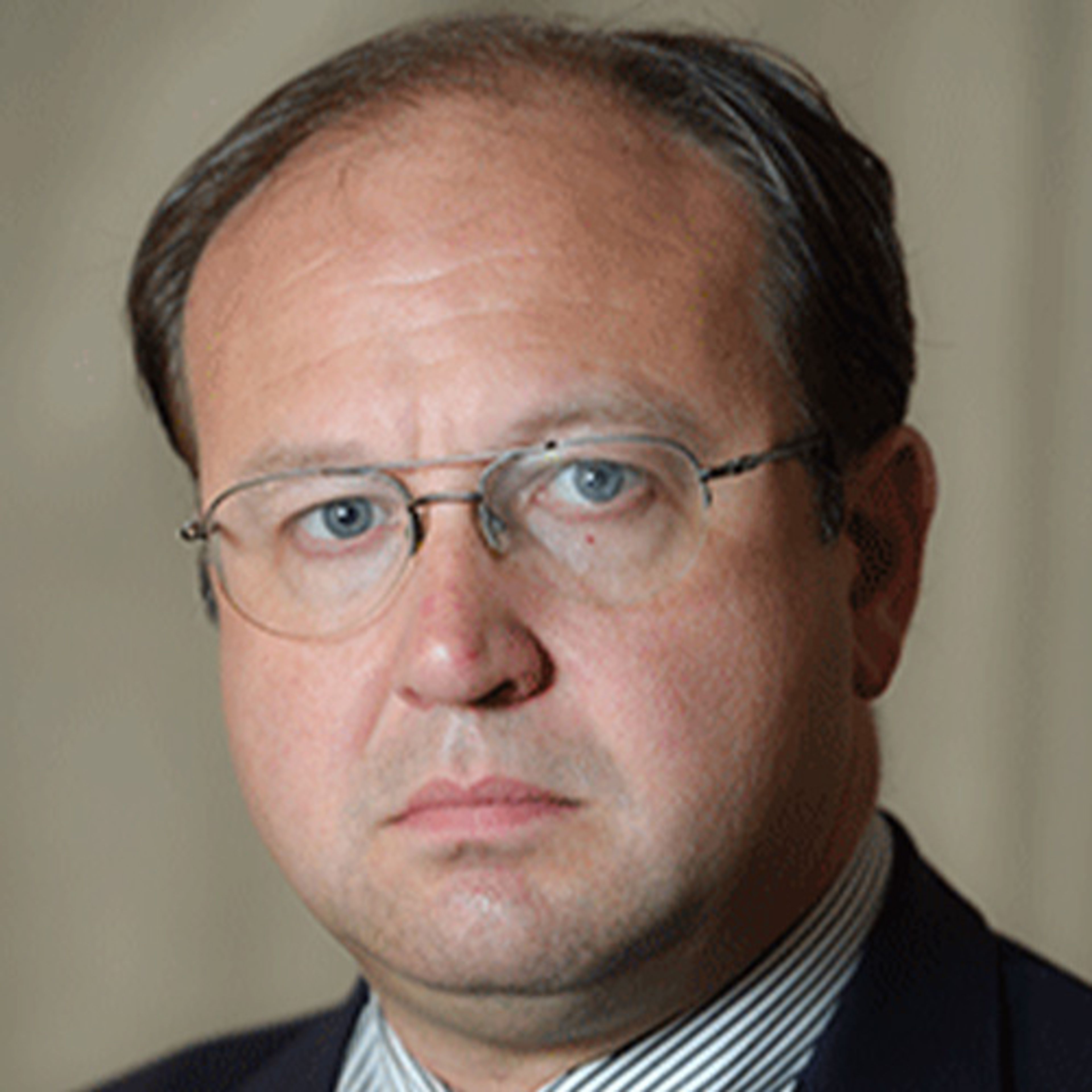
— Michael J. New is an assistant professor at the University of Michigan – Dearborn and an associate scholar with the Charlotte Lozier Institute. Follow him on Twitter @Michael_J_New.





Comments