
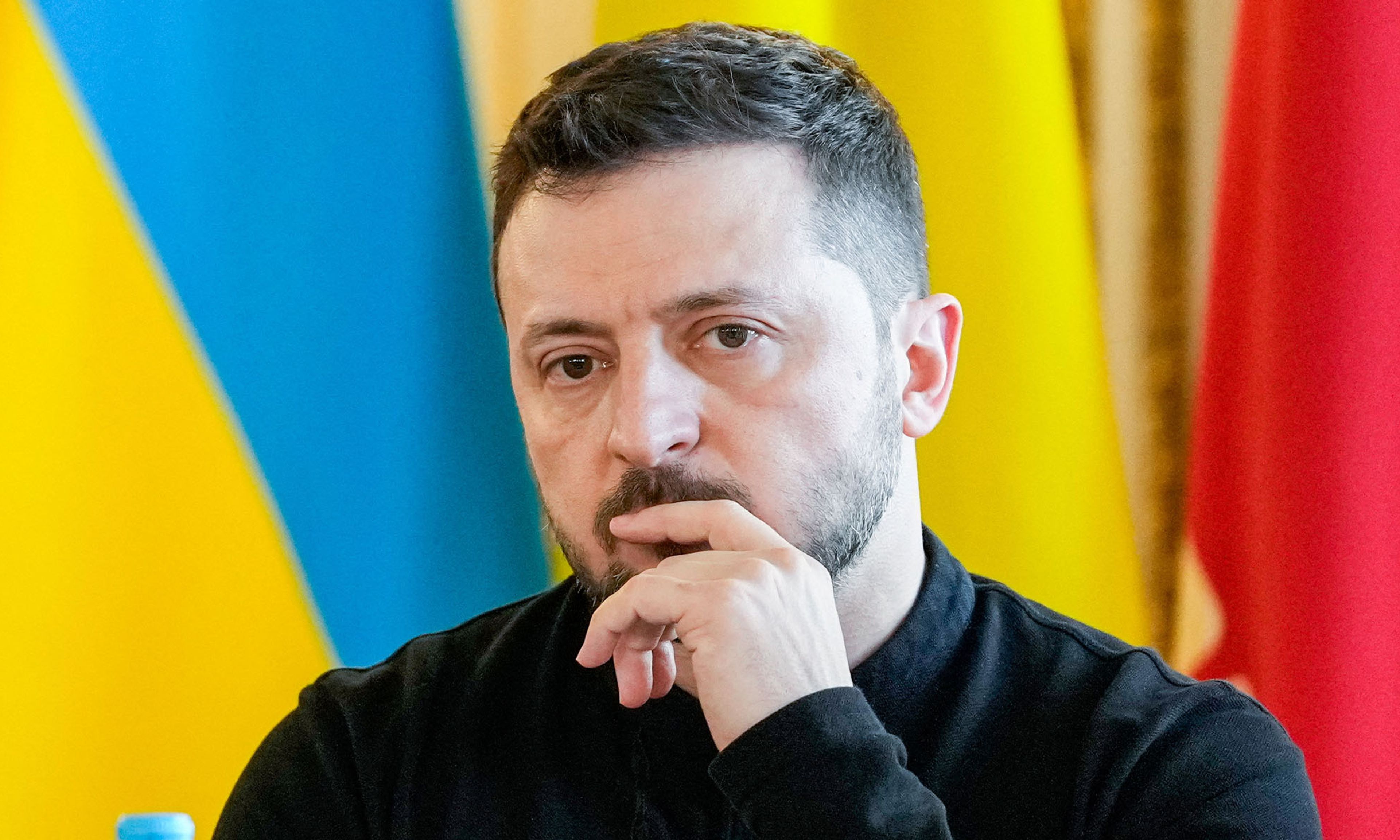
As I write, Ukrainian and American diplomats are meeting to talk about what an end to the war may look like. Russia is advancing its own comprehensive demands and looks like it is scrambling to win a better battlefield position even as these talks begin. Ukraine has begun negotiations with an indication that some land may be traded in the end — this makes some sense because after the civil war and Russian invasions of the last decade, it may be impossible for ethnic Russians in the Donbas and Ukrainian ultra-nationalists to ever share a polity again.
I outlined what I thought were the major obstacles to any deal in a column last week. Roughly: 1) The parties lack trust; 2) Russia may not feel pressured into dealing; 3) Ukraine’s sacrifice was too great for any popular government to make major concessions; and 4) Ukrainian postwar instability may provoke deal-wrecking actors.

Comments