
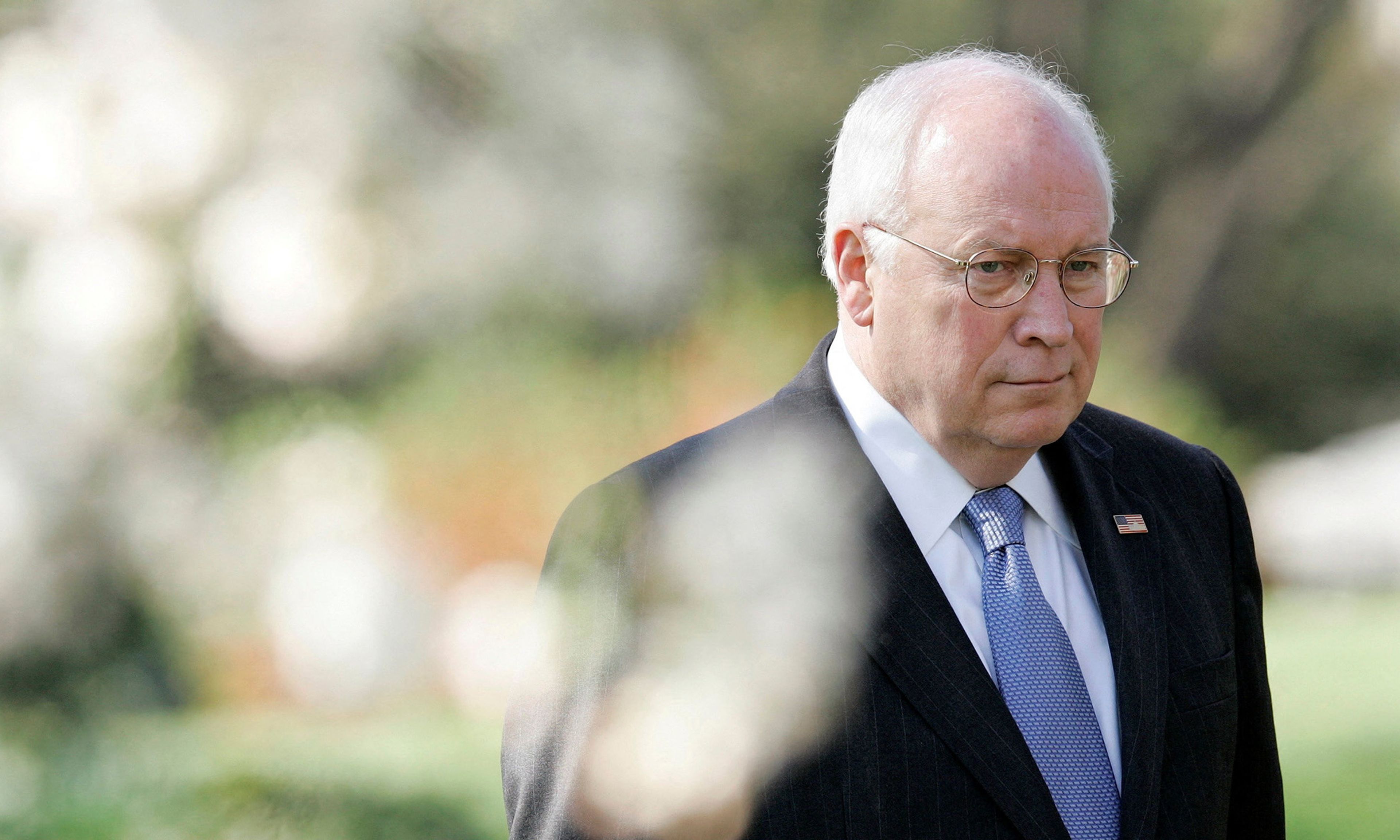
A free society always depends on the willingness of some of its ablest people to spend their lives in the service of the nation as public officials. People who understand themselves as providing that kind of service to their country stand out in our democracy. They are surely moved by the usual mix of motives that drive people into political life: ambition, confidence, curiosity, a desire to make a difference and to be known for making a difference, love of country. But they stand out because they tend to serve in a peculiar variety of offices over an unusually long stretch of time and to embody each of them by taking its distinct purpose and form seriously. America has always been fortunate to have such people in its public life. But their number has diminished over time, so those we have gotten to see in our own lifetimes really stand out.
Dick Cheney exemplified this essential democratic type, and from a ridiculously young age. He started out as a congressional staffer in his 20s and by age 34 had become the White House chief of staff (under Gerald Ford). In the decades that followed, he served as a member of the House of Representatives (and probably would have become the House Republicans’ leader in the 1990s if he had not been tapped to serve in the cabinet), secretary of defense, and then of course vice president. These are very different roles, yet Cheney somehow managed to become the consummate exemplar of each, because he understood what it meant to take on an office in our democratic republic — an understanding that has grown all too rare in our time, too.





Comments