
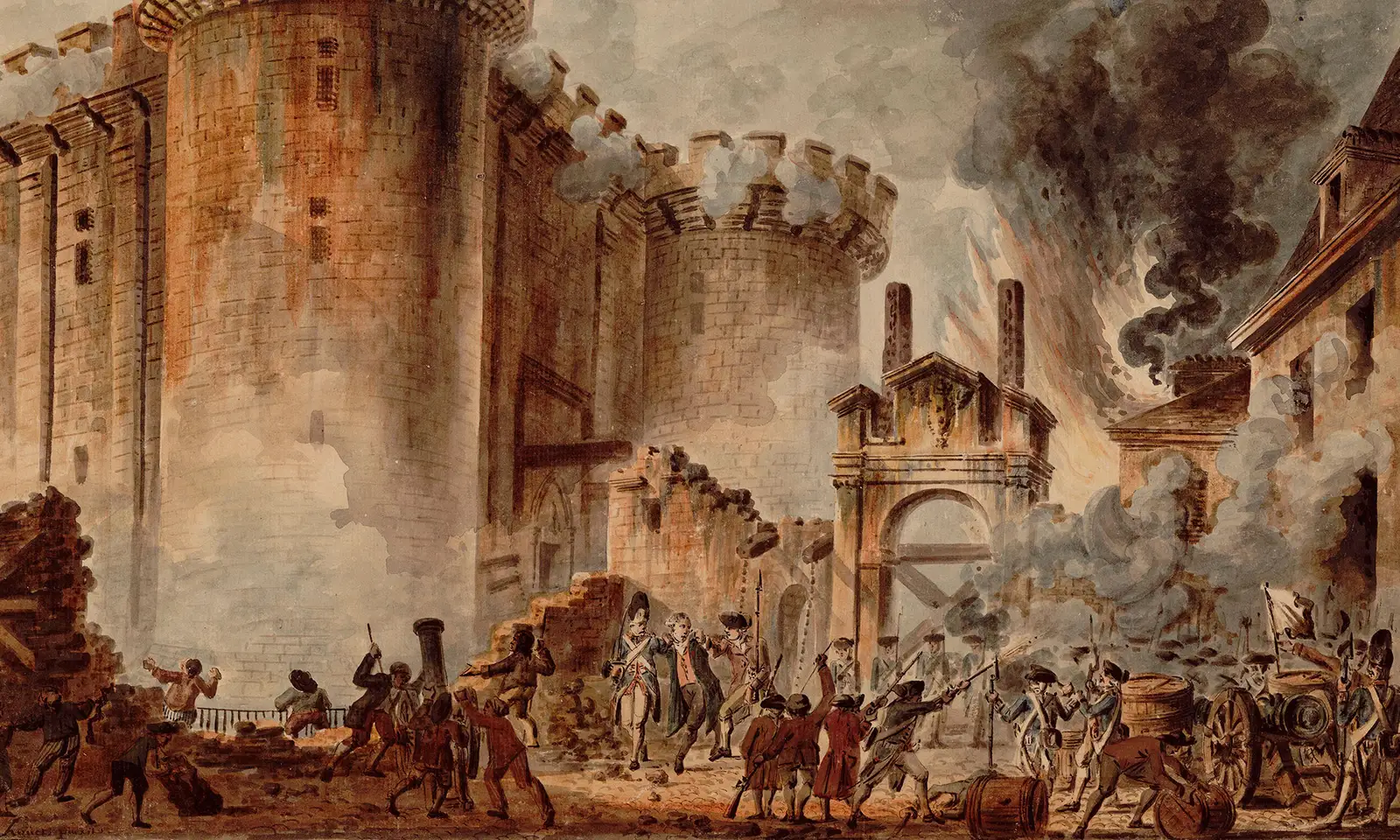
Friday was Bastille Day, and in conveying America’s best wishes to our French friends and allies, Secretary of State Antony Blinken tweeted the following message:
If you squint just right, maybe you could read this as a carefully couched warning about radicalism. The American and French revolutions were “fueled by the same aspirations” in the sense that the fire in the hearth of a warm and stable home is fueled by the same oxygen as a raging inferno that burns down a city. Oxygen is vital, and fire is a tremendous force for good, but to set it loose without some broader grasp of how it can be used to support a flourishing household is to run the risk of catastrophe.





Comments
On “Distinguishing Two Revolutions”