
I returned last night from a long drive (close to 2,000 miles if Google is correct) in the Southwest, in the course of just a few days (research trip!), using a “conventional” car. No range anxiety despite traveling through (some) fairly remote areas. Refueling took a couple of minutes whenever required.
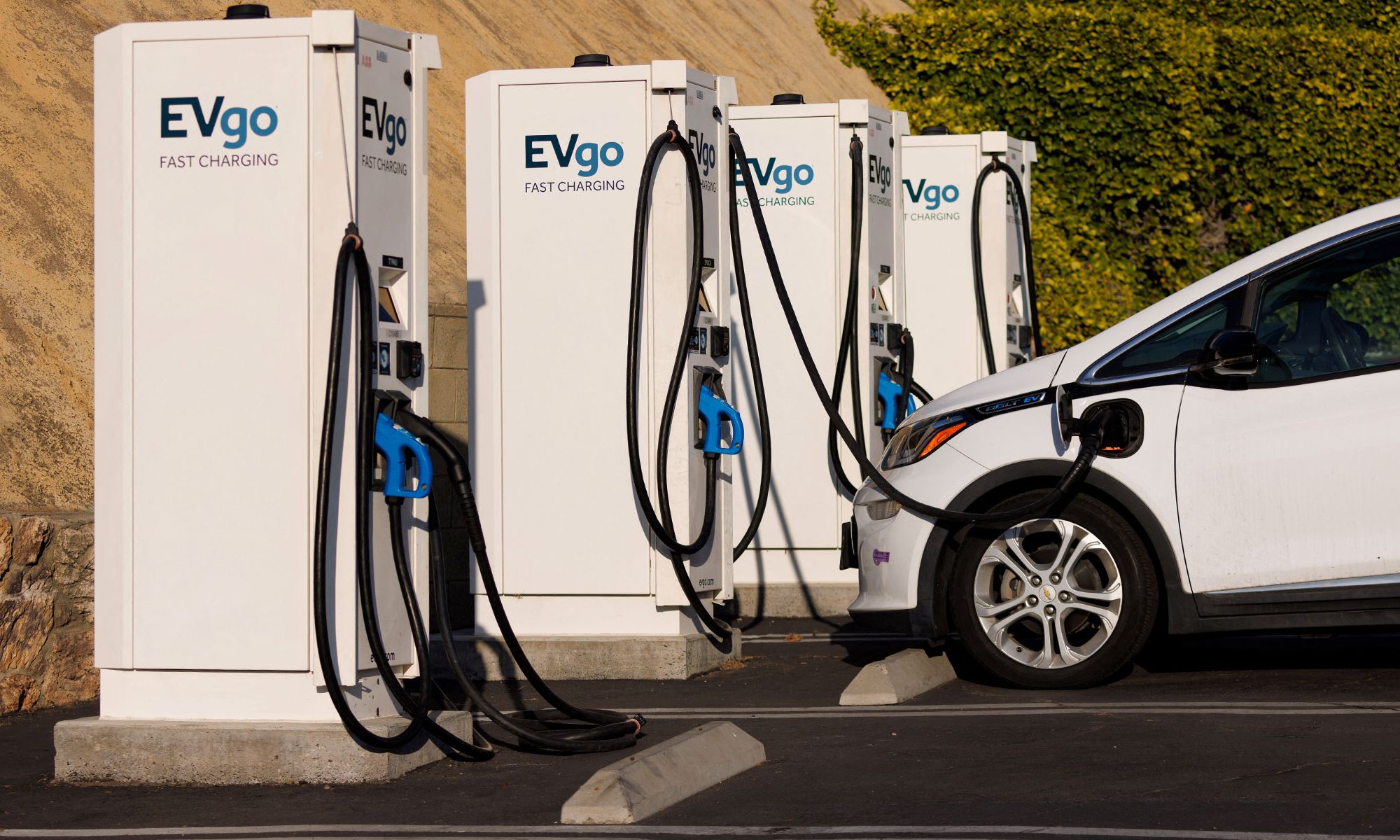
Writing about a recent 320-mile trip taken by EV in (rather chillier) Ohio, Axios’s Joann Muller noted the “inconveniences” involved in recharging her vehicle. That this is still an issue, years after climatist policymakers decided that gradually “forcing” buyers of new cars into EVs was a good idea, says little about the effects of the recent (and welcome) change of course at the federal level. It does say a great deal about the long-lasting effects of governmental overreach and interference in consumer choice and companies’ efforts to cater to, and shape, it.
Muller related how charging took “too long,” that there was “no” shelter from the elements, and that it was (oops!) expensive — “up to 60 cents per kWh, which is three to four times the cost of charging at home.” She also found that the charging cables for “high-powered DC fast-chargers” were very heavy. The word “fast,” incidentally, must be understood as being expressed in EV-speak, not customary language, something made worse by the fact that “at one 180-kW charging station, for example, the BMW charged at speeds closer to 80 kWh.”
There were other issues too, including Muller’s discovery (which ought not to have been a surprise) that “during a cold weekend in northeastern Ohio,” it was helpful to precondition the car’s battery for faster charging:
This can be done several ways: by setting a departure time using the vehicle app, or navigating to a DC fast-charger, giving the car 15-30 minutes to prepare the battery for optimal conditions before charging.
Best technology ever!
To be fair, some of these problems are on the way to being reduced (EV charging speeds are increasing, for example), and some of them relate, among many other factors, to the slower than expected take-up of these cars in the U.S. This has meant that the provision of decent-quality charging to support EVs has lagged too. And yes, there is an element of chicken-and-egg about this, a problem that is better resolved by free markets than government fiat.
Many such cases.






Comments