
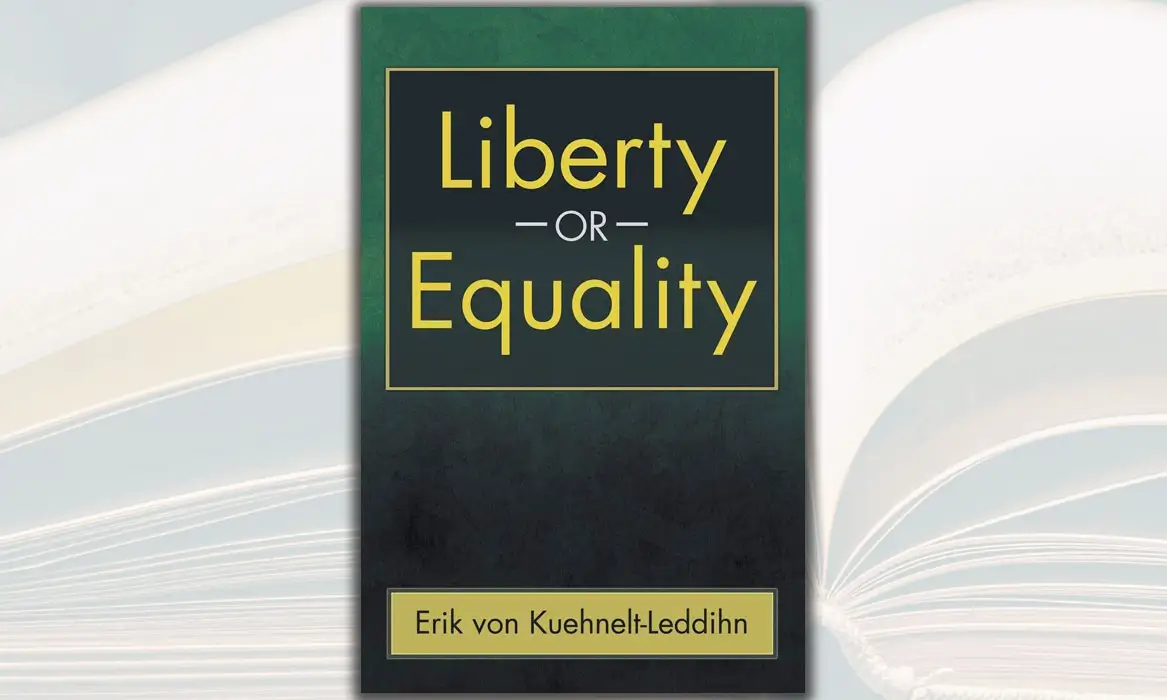
I would like to respond to Michael’s defense of European conservatism at greater length at a later time. For now, I want to focus on his treatment of Erik von Kuehnelt-Leddihn (try spelling that without looking it up):
Michael cites EKL as proof that the American conservative movement has always been more connected to European conservatism, and to European affairs, than is often understood. On a superficial level, EKL does prove this. But to think of him only in this way is somewhat reductive. Born in Austria-Hungary in 1909, the Catholic nobleman lived a fascinating life. He began working as a journalist at age 16 and continued as a serious writer and thinker until his death in 1999. He visited dozens of countries, and all 50 U.S. states. He spoke eight languages and could read eleven others. He claimed to have once seen the Devil himself. William F. Buckley described him as “the world’s most fascinating man”; he could quite easily have competed with the Dos Equis guy as “the most interesting man in the world.”





Comments
On “Erik von Kuehnelt-Leddihn, Explained”