
This weekend saw the latest installment of an ongoing saga involving a minority that feels persecuted by an establishment that doesn’t understand it, its fight to preserve its dignity and freedom, and an elite whose fear causes a massive overreaction that could destroy the world as we know it. There was also a movie about mutants.
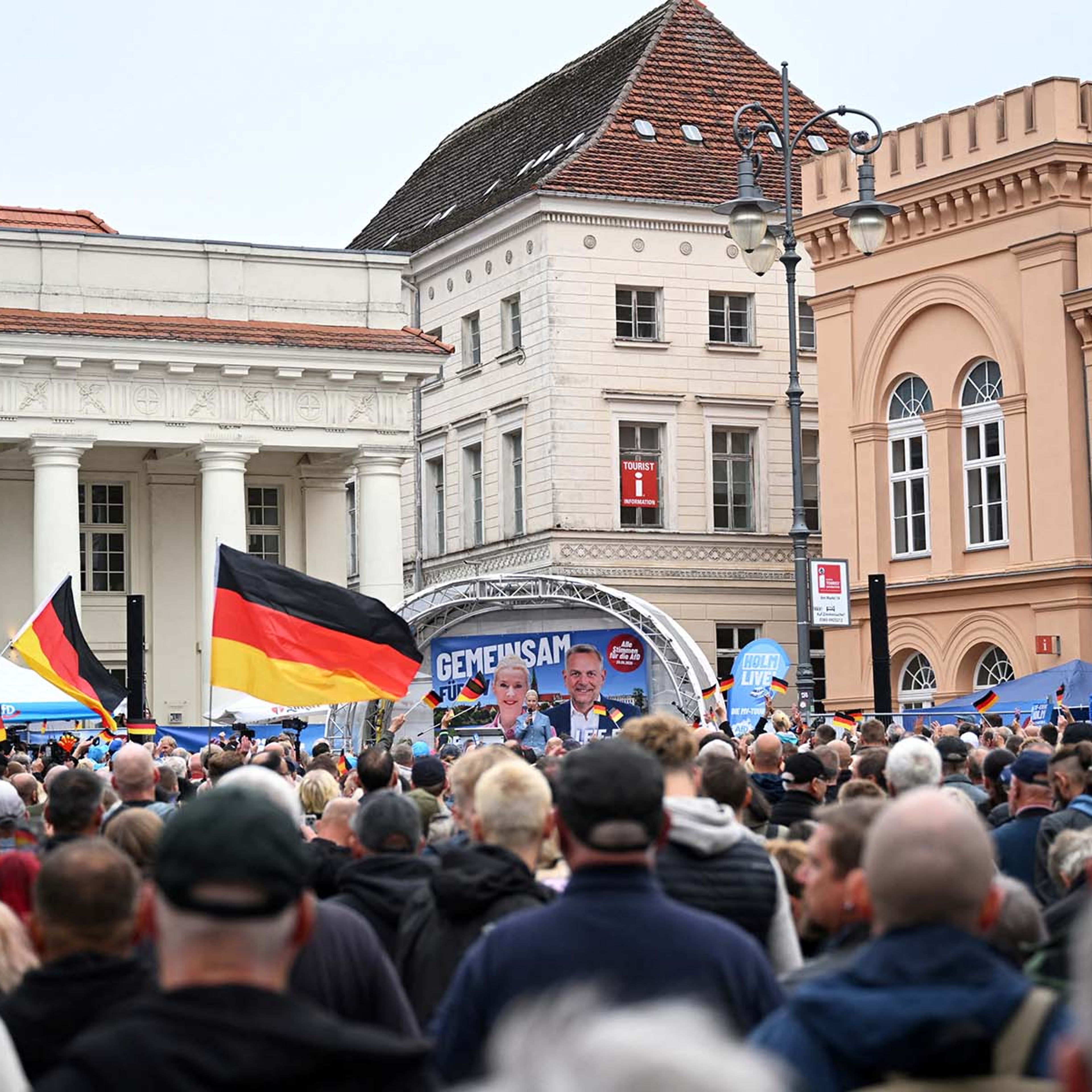
Sunday’s elections for the European Parliament featured massive increases in support for anti-EU and nationalist parties. These parties differ a lot on their views, from Greece’s neo-Nazi Golden Dawn, the arguably racist Sweden Democrats, and Hungary’s Jobbik, and the blend of conservative economics and anti-EU politics offered by Britain’s UKIP. Most commentators miss, however, that each of these parties tends to draw from the same type of people, the lower-middle and working class.
Throughout Europe, the decline of heavy industry and stagnant economies has created large pools of either jobless or economically immobile people with fewer job skills than their more educated brethren. The European elites are doing well, as any tourist to the wealthy capital cities can see for themselves. But the people in old industrial cities like Rotterdam, Sheffield, and Lille are not. Furthermore, these people see massive immigration in their communities, whether it is North Africans in France, Bosniaks in Sweden, or Pakistanis or Romanians in England. They see an elite that seems to respect the aspirations of the newcomers more than those of themselves; they seem more interested in green politics than their problems. They feel unrespected and unwanted, and now they’re fighting back.
This trend may seem unimportant to the United States, but that view is wrong. Out of sight of the prosperous cities on the two coasts, many millions of Americans have the same experiences, the same feelings, and the same frustrations. Real-money income dropped for most of these families after the Clinton administration, never grew much during the first part of the Bush Administration, and has dropped again since the Great Recession. Outside the South, the working class tended to vote Democratic in 2006 and 2008, Republican in 2010, and stayed home in massive numbers in 2012. Inside the South, many working-class voters feel the same way but continue to vote Republican because of social issues and an antipathy to President Obama. But their Republican representatives tend to voice concerns about rising immigration, and their votes in Republican presidential primaries go to more socially conservative, economically populist candidates like Mike Huckabee and Rick Santorum.
America won’t see a third party like in Europe because of our culture and our election structure. But it will see a wave of populism centered on these voters if both parties’ elites continue to think that these folks’ concerns are simply not worth paying attention to.
— Henry Olsen is a Senior Fellow at the Ethics and Public Policy Center.





Comments