
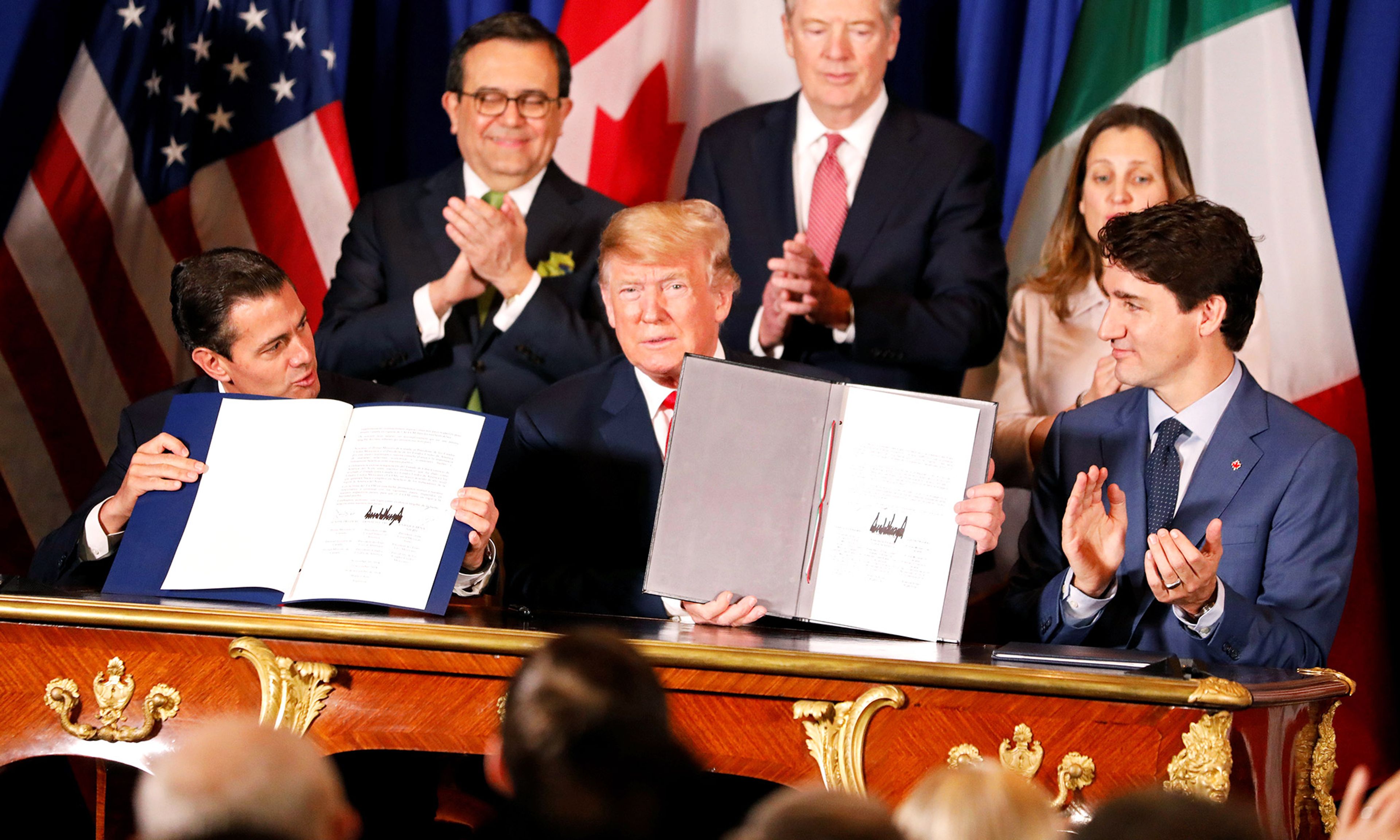
The International Trade Commission has released a report on the likely effects of replacing NAFTA with the modified version of it that the Trump administration has negotiated with Mexico and Canada. The ITC has made changes to its methods of evaluating these effects, changes that appear to work in favor of a positive assessment. The result is that the agreement would have a modestly beneficial effect, raising GDP by 0.35 percent.
Much of this benefit would come from greater certainty with respect to international data transfer, cross-border services, and investment: the sorts of provisions of the new NAFTA, called the U.S.-Mexico-Canada Agreement or USMCA, that were part of the Trans-Pacific Partnership that Trump scuttled at the start of the administration.
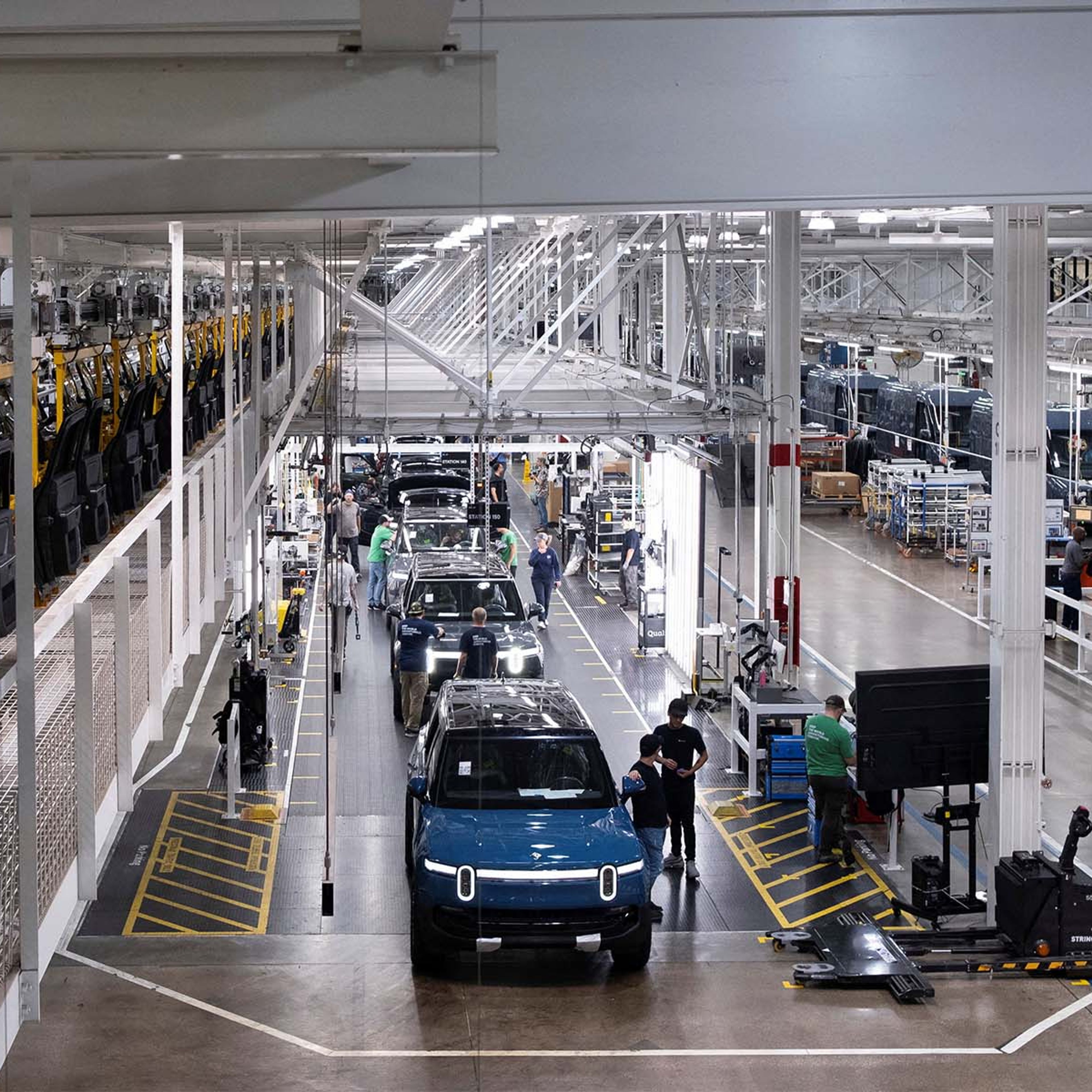
The part of the agreement that most bears the administration’s imprint, and which it has touted most, concerns the auto sector. The agreement would tighten rules of origin and wage regulations, the opposite of what most free traders would like to see. The ITC finds that these provisions would have a negative effect: raising car prices, cutting car sales, and reducing employment in auto assembly.
The U.S. Trade Representative’s office has sought to paint a rosier picture of its handiwork, which has included spinning previously announced decisions by companies to invest in the U.S. as responses to the new agreement. One reason the auto industry is going along with this spin: It’s afraid that the alternative to congressional passage of the USMCA is that Trump will attempt to withdraw from NAFTA altogether.


Comments