
Local elections in Belgium are, let’s face it, not usually the stuff of high drama, but, judging by this report in the Brussels Journal, the latest vote is at least worth thinking about:
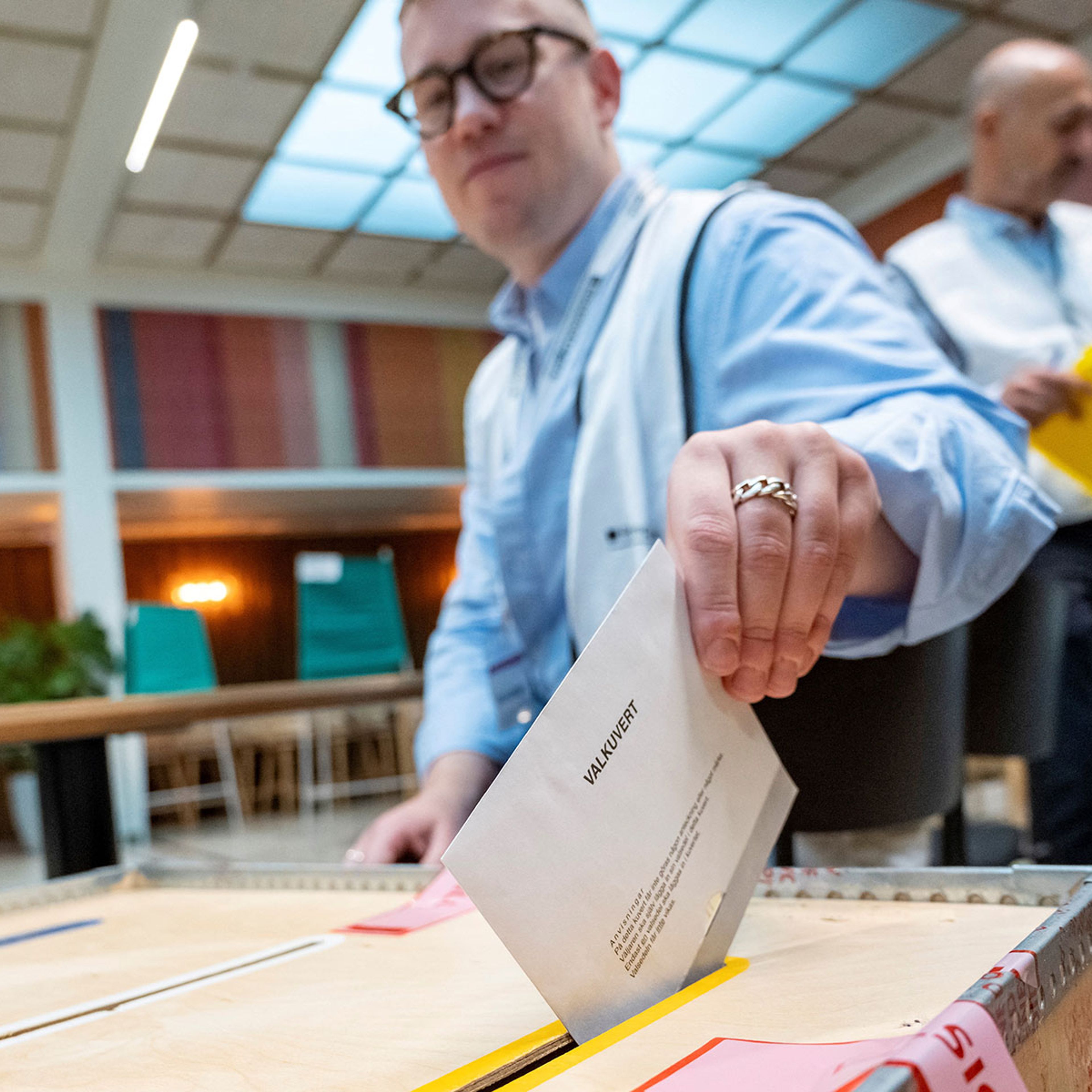
In last March’s local elections in the Netherlands the immigrant vote tipped the balance in favour of the Socialists. The same phenomenon marked yesterday’s local elections in Belgium’s major cities. In Antwerp the Socialists became the largest party. They jumped from 19.5% to 35.3% of the votes, winning 22 of the 55 seats in the municipal council – a gain of ten seats. Seven of the Socialist councillors, almost one third of the total, are Muslim immigrants: Fatma Akbas, Karim Bachar, Ouardia El Taghdouini, Youssef Slassi, Fauzaya Talhaoui, Güler Turan, and Sener Ugurlu. Six of the seven are new in politics. The self-declared “islamophobic” and Flemish-secessionist Vlaams Belang [Flemish Interest], which until yesterday was Antwerp’s largest party, gained a few extra votes, winning 33.5% of the vote (33.0% last time). Its number of seats remains steady at 20. Antwerp politics is now defined by a polarization between Socialists and the VB…The VB also stagnated in other cities with large numbers of immigrants, such as Brussels, Ghent and Mechelen. After the 2000 local elections, in which the VB gained considerably, the Belgian regime extended the vote to immigrants for municipal elections and passed the so-called “Quick Citizenship Bill.” The latter grants hassle-free Belgian citizenship virtually upon demand to every individual who has lived in the country for three (in some cases only two) years, which enfranchises them in the general elections, too (voting is compulsory in Belgium). These measures were introduced with the specific intent of countering the VB.
To be fair, the writer himself is someone very much on the right, so there may be some bias at play. It can also be argued that, even if instacitizenship is a bad idea (it is), getting “immigrants” (a term that in this context probably includes ‘second generation’ immigrants) to participate in the electoral process is a step forward in their integration. What really matters, however, is the agenda they will bring to the table. And that’s likely to be an increasingly important question in western Europe over the next few decades.



Comments