
The last Morning Jolt of the week…
Examining the Early Vote, With All Appropriate Grains of Salt
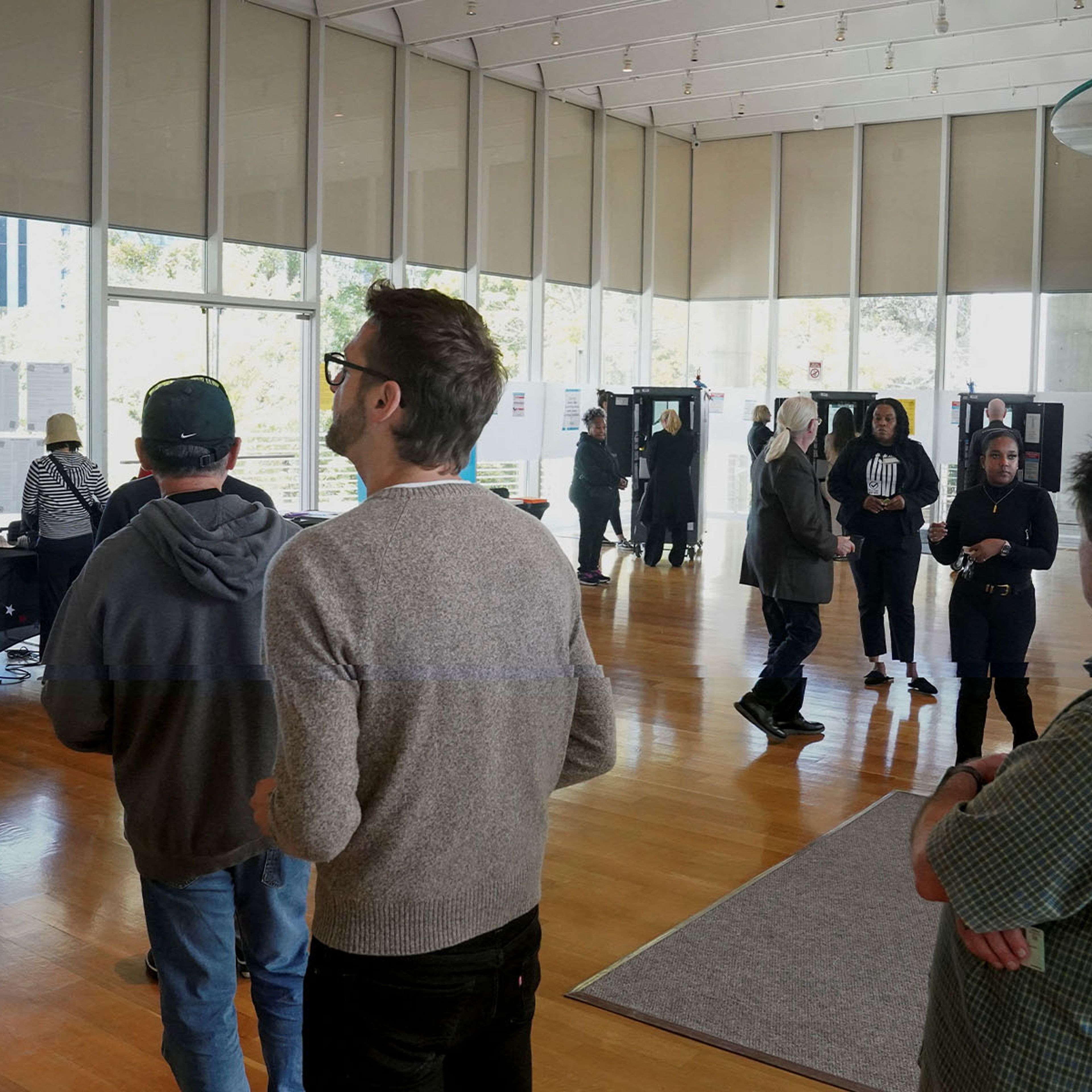
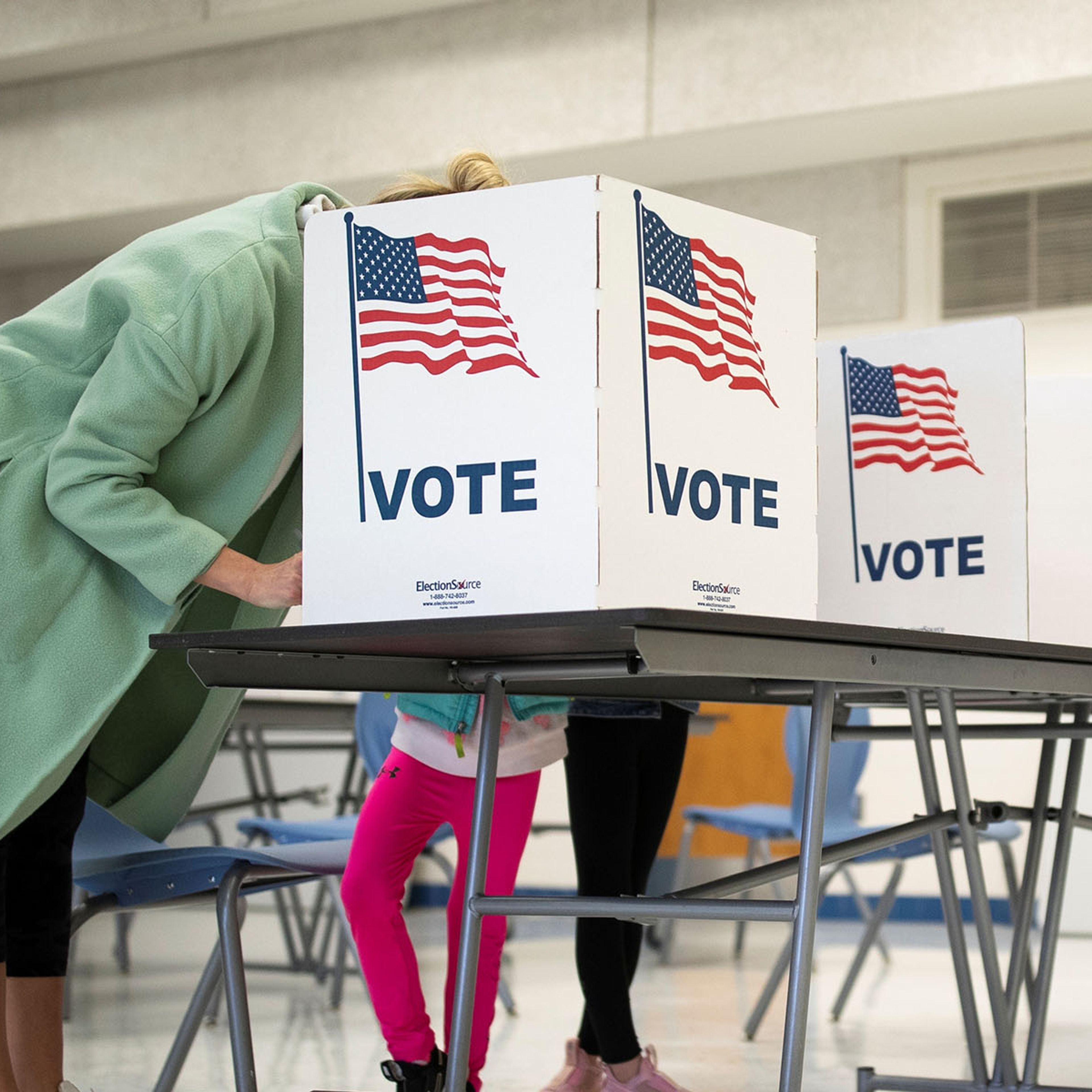
Do you hear that? That silence is the sound of the other shoe not dropping. If Hillary Clinton’s campaign had one last bomb of opposition research to drop, they would have released it by now. As of Thursday, Americans have cast more than 35 million votes.
Sean Trende makes the argument that the early vote is overrated as an indicator of the final results.
The real problem with this, however – and this is true with a lot of early voting analysis – is that for any of this to work we have to assume that the early vote is somehow representative of the Election Day vote in order to fill in the second half of the equation. The problem is, it isn’t. Research suggests that the early vote tends to be comprised of more partisan, higher propensity voters. In the most recent elections, they have often skewed Democratic, most likely as a side effect of increased Democratic emphasis on early voting (compare this with Donald Trump, who has been telling his supporters to vote on Election Day).
So basically, we’re left without really knowing how the early voting electorate is voting, without knowing how the Election Day electorate is likely to vote, and without knowing the size of the Election Day electorate. More importantly, we don’t know the effect to which campaign strategy is creating the appearance of a participation surge by merely cannibalizing Election Day voters by mobilizing voters who would have voted on Election Day anyway. This is a problem.
He’s right. But one thing that’s nice is about studying the early vote numbers is that they’re actual votes. We don’t have to guess how many of these people will show up or whether they’re truly motivated.
We’re at roughly 76 percent of the early vote total from 2012 nationally, but some states have passed their 2012 totals. Arizona’s at 99 percent; registered Republicans make up 40 percent of the votes so far, registered Democrats make up 34 percent. According to the 2012 exit poll, self-identified (not necessarily registered) Republicans made up 35 percent of the electorate, and Democrats were 26 percent.
Democrats are cheering, pointing out that 13 percent of the state’s early ballots are from Latinos, compared to 11 percent compared to last cycle. (This is an estimate based on Latino surnames.) In 2012 Latinos made up 18 percent of the voters in Arizona.
Recall that Romney won the state by ten points last time around. Unless Trump is getting absolutely walloped among independents, he should win Arizona. Yes, Latinos will make up a larger share of the vote this time around, but not enough to swing the state to Clinton.
Florida’s already past their early vote total from 2012; more than 5.2 million Floridians have voted! Republicans enjoy a very narrow lead, 2,093,586 to 2,091,753. Democrats had a three-point lead in the total early vote four years ago, which comes out to about 134,000 votes. President Obama won the state by less than one percentage point, a margin of just under 75,000 votes.
If you’re the Democrats, you should be really worried about Florida – but the Trump campaign shouldn’t feel enormously confident either. This was the closest state in 2000 and 2012, and it could very well be the closest state in 2016, as well.
In polling news, another round of polls in Virginia have Hillary ahead by 4 to 8 points, so we can put that back in the “likely Hillary” pile with some confidence.
In 2012, Mitt Romney, arguably the hometown boy, lost Michigan, 44 percent to 54 percent. Trump is currently down in the RealClearPolitics average, 46 percent to 40 percent, and the two most recent polls have him down by only three. I wouldn’t bet on Trump winning Michigan, but he looks like he’ll improve on Romney’s margin in that state by a pretty noticeable margin.
It’s a similar story in Pennsylvania. Romney lost by about six points, 52 percent to 46 percent. The last four polls in the Keystone State have Clinton ahead by 2, ahead by 1, ahead by 4, and ahead by 2. Close only counts in horseshoes and hand grenades, but the evidence is building for the argument that Trump-ism is more appealing in the Rust Belt than traditional conservatism. Or it could be that the voters are really repelled by Hillary in light of the news of the FBI investigations.
The last four polls in New Hampshire have a tie, Trump by 5, another tie, and Trump by one. New Hampshire has no early voting, so Clinton couldn’t bank some votes before the FBI news broke. Time to put this one in the “likely narrowly Trump” pile, for now.




Comments