
Here in Fairfax County, Virginia, more than 84 percent of all adults are fully vaccinated, and more than 92 percent of all adults have at least one shot. Vaccines for those age five and up have been available since November. Boosters have been available for everyone 12 and up since January. And Fairfax County Public Schools boasts, “rates of in-school transmission have consistently remained incredibly low this school year” although they’ve increased in the past few weeks. Kids and teens who want to wear masks are free to continue wearing masks; kids and teens who do not want to wear masks are no longer required to wear them.
Since the beginning of the pandemic, the county has reported roughly 190,000 cases. (That’s an undercount, and perhaps a significant one, depending upon how many people tested positive but never called in their status to a doctor’s office or the county health department. My early February case never went into any official system.) For the past week, the average number of new cases reported is 477; the county is counting three-tenths of a Covid-19 death each day, or roughly one Covid-19 death every three days. Hospitalization of children for Covid-19 remains exceptionally rare in the state of Virginia, roughly one out of every 207 children who catch Covid-19.
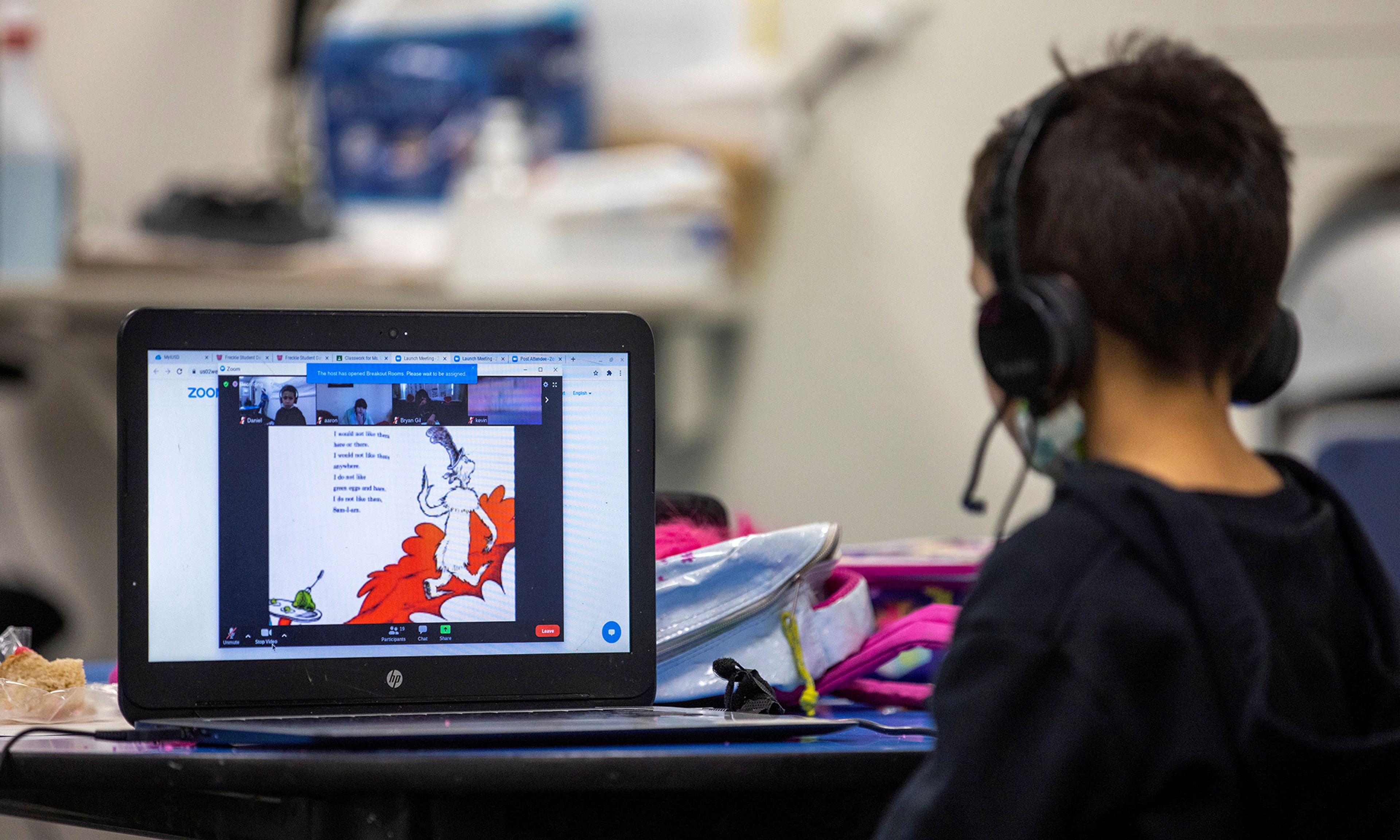
Despite all of this evidence that the once-terrifying Covid-19 pandemic has been reduced to a minor nuisance, the Fairfax Education Association, the local teachers’ union, still wants to keep an online-only option for students for the foreseeable future.
In another one of those rare victories for common sense, Fairfax County Public Schools in March announced that the virtual program would end after this school year. The school system justified the decision by citing “community health experts” who“advise that exemptions to in-person instruction should return to pre-pandemic criteria now that school-age children are eligible for vaccination… Homebound instruction will continue to be available for students with significant health risks that prevent them from attending school in-person as outlined in FCPS Regulation 2140” which requires exceptions for in-school attendance for health reasons to be aligned with state law, which requires the exception request be “verified by competent medical evidence.”
The teachers union wants to establish a program where entirely-virtual teachers would teach the entirely-virtual students.
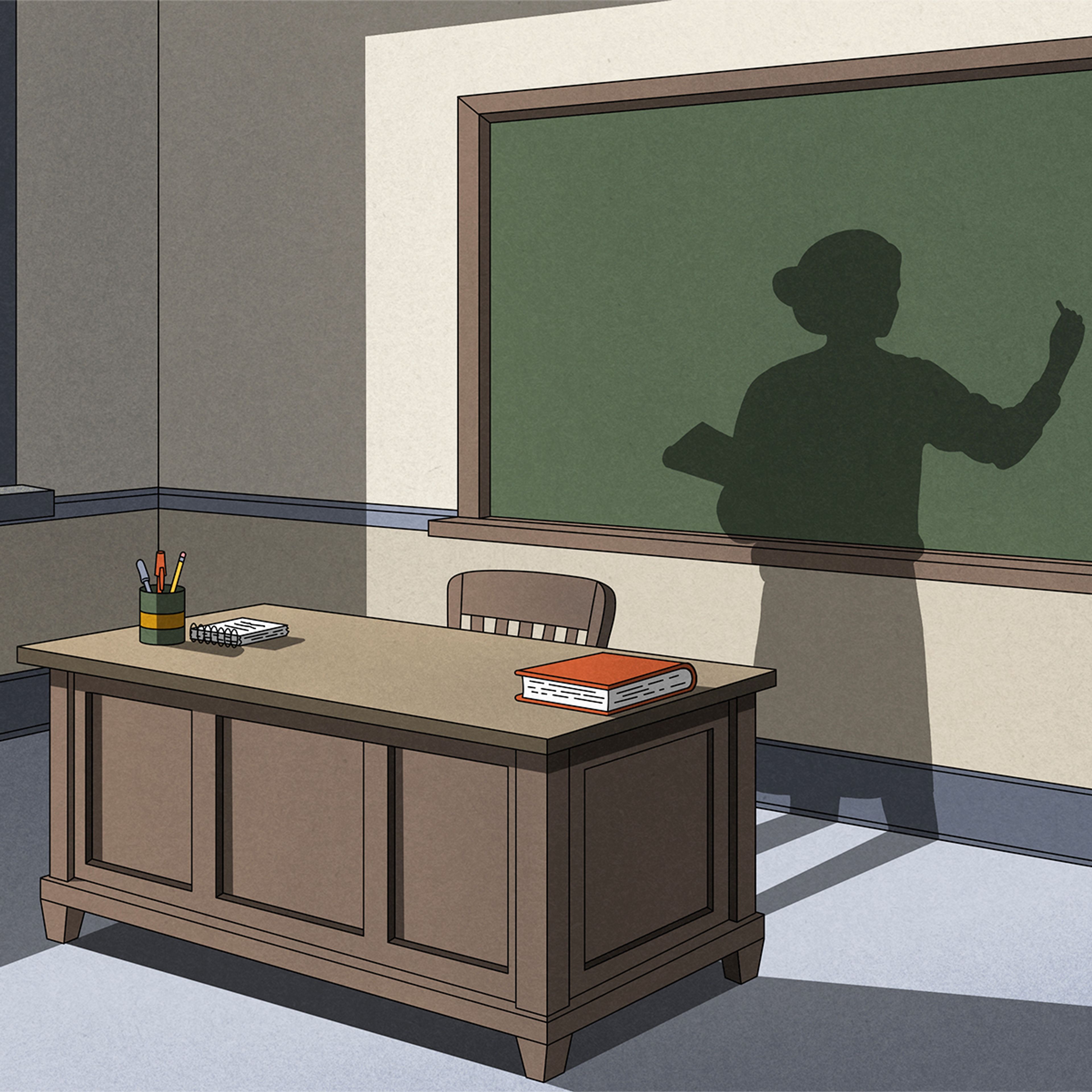
Perhaps this recommendation from the teacher’s union is driven by a belief that the state requiring “competent medical evidence” is just too strict a standard for students or parents who fear a return to schools. But it also looks like teachers who taught from home during the pandemic got used to it, and wish to make it their new permanent status — regardless of the superior education benefits of in-person schooling.





Comments