
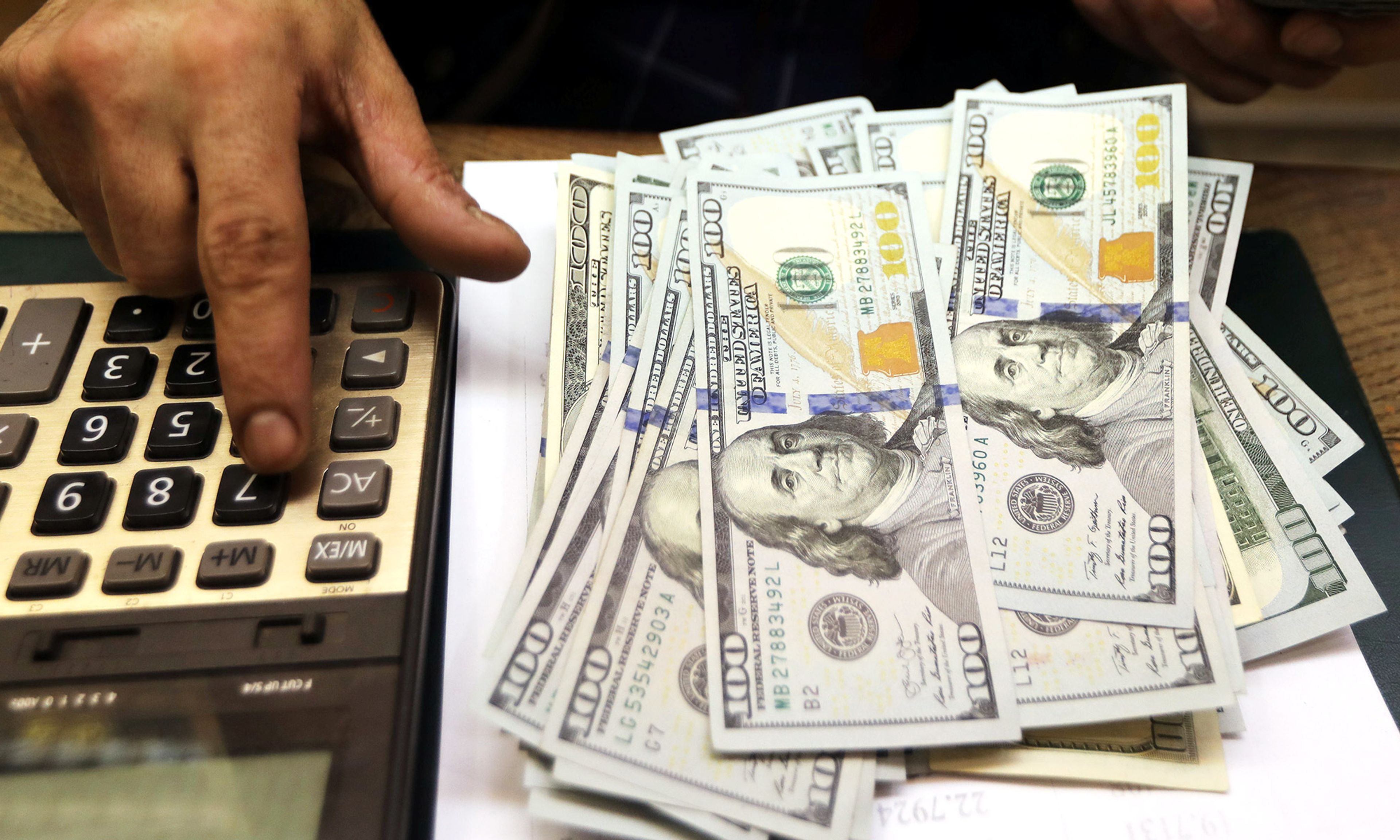
Our first crisis is making sure our hospitals don’t get overwhelmed. Our next crisis is keeping the most vulnerable elderly and immunocompromised away from the coronavirus. Our next crisis is restarting the economy from its widespread halt.
But after that, there are plenty of follow-on problems that will need to be addressed — here are four that are getting little attention compared to the ongoing fights in Washington.
State and local sales-tax revenue is plummeting right now. No open businesses, no purchases, no sales-tax collections. Are state and local governments preparing for the near future when the incoming money is way below their previous projections? In New Jersey, the state treasury may put the brakes on nearly $1 billion in slated spending.
In response to the quickly evolving impacts of COVID-19 on the State’s finances, on March 20, 2020, the Director of the Division of Budget and Accounting (the “Budget Director”) placed over $900 million of items of appropriation into reserve, which means that the Budget Director identified various appropriations which will now require the Budget Director’s approval before the appropriated amount may be expended . . .
Both public and private pension plans suddenly look way shakier with the sudden plummeting stock markets. Pension plans operate on hopefully safe assumptions about returns on investments. Those assumptions are now blown to heck, and while it’s too early to say just how bad the damage is going to be . . . it’s going to be pretty darn bad:
With the collapse in stock prices, the state’s public-employee pension systems — mainly California Public Employees’ Retirement System and the California State Teachers’ Retirement System — are taking a beating.
At last count, the combined retirement liability for state workers and teachers topped $250 billion. And because the funds depend largely on investment earnings to keep up with pension checks, Wall Street’s rout will lead to bigger unfunded liabilities at CalPERS and CalSTRS.
“I don’t even want to think about the impact on the pension funds,” said Brad Williams, a veteran budget analyst and partner at Capitol Matrix Consulting. “We know that pensions were underfunded going into this, and…once you get behind, it’s hard to claw back, so we really need a bounce back in markets to avoid pretty dire circumstances.”
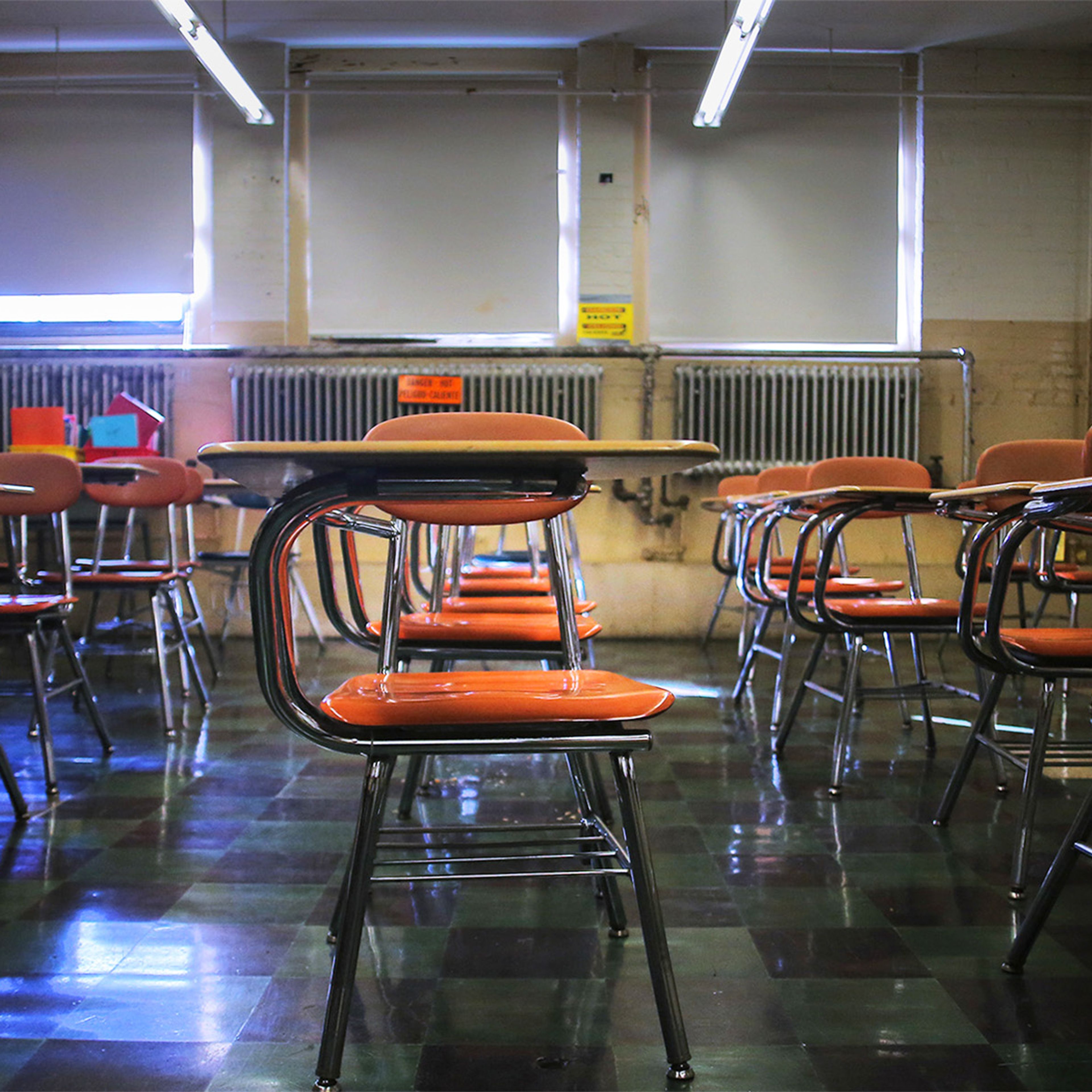
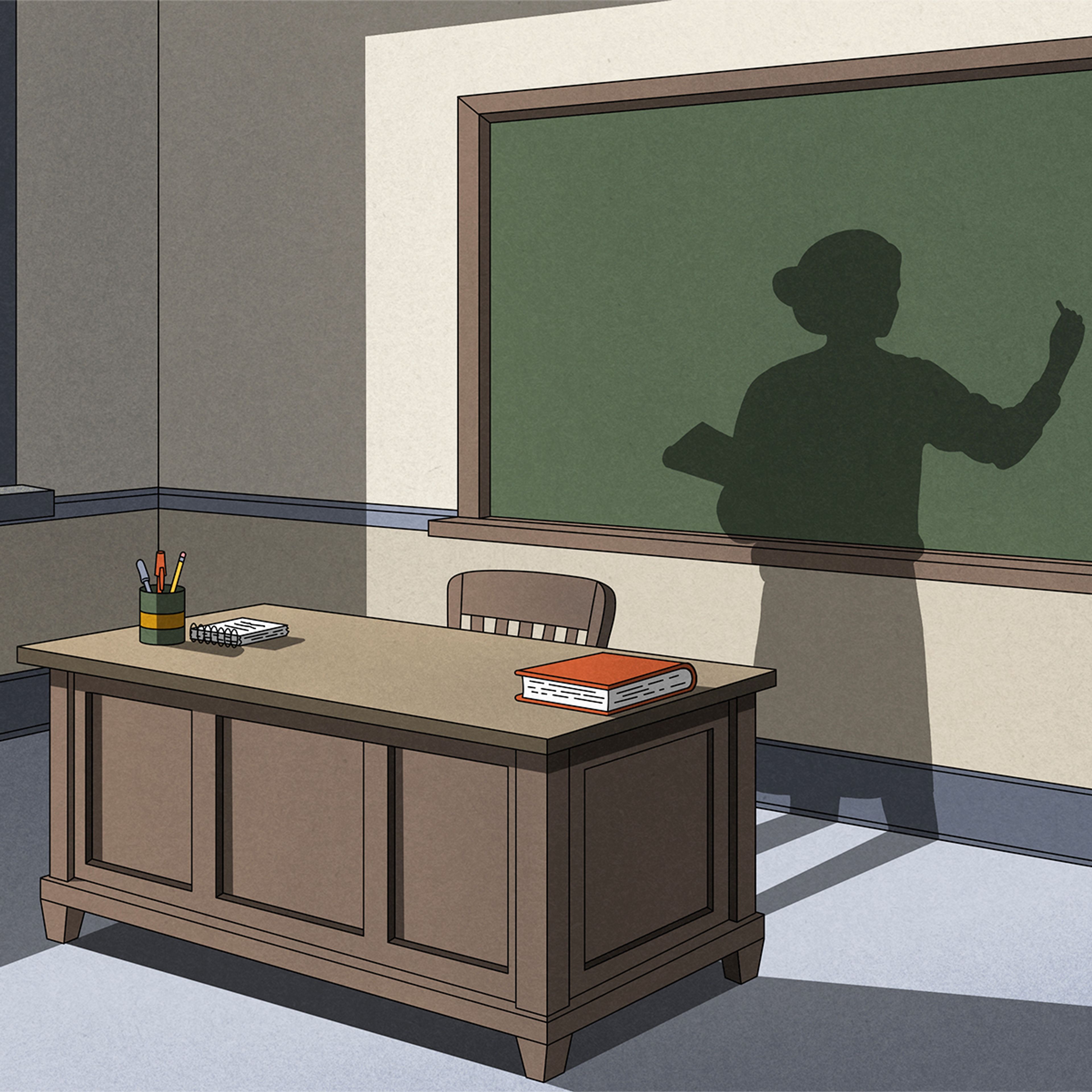
Traditional education of America’s children has come to a screeching halt. Most schools cannot grade students until they reopen their doors: “It’s an equity issue. If you can’t guarantee all your students have online access, nothing’s graded,” said Tim Robinson, a spokesman in Seattle Public Schools in Washington, which closed schools and plans to broadcast not-for-grade educational activities online and by TV. “Our goal is to keep the students from going into a summer slide.”
Right now, many schools are doing their best, trying to assemble and implement an online and distance-learning curriculum that they never expected they would need for months at a time.
States like Kansas and Virginia announced that schools will not reopen this spring, North Carolina is closed until May 15, and California is closed indefinitely. New York City mayor Bill de Blasio says his city’s public schools may not reopen this year. It is possible that many of the nation’s children will not be back in school until either summer classes or next fall.
This means that for students in these states and cities, their final grades for the year were effectively set in early-to-mid-March when schools closed. When these students apply for college, will admissions officers look at their transcripts differently? Will there be a general sense that grades for 2020 should be evaluated differently, because the school year ended so abruptly, without the usual final exams?
In most school districts, the school year is about five-eighths complete. Most schools are expected to advance students to the next grade next fall.
The AP College Board will run AP exams online this year, covering the material that most schools were able to complete by early March.
Much of the college admissions process has just been thrown into confusion.
For many schools, March and April are when they send out the bulk of acceptances or denials. Financial aid packages are sent out, too — setting up the options for how to pay. Traditionally, May 1 is “decision day,” the deadline for students to submit a deposit to hold their spot at a school for the following fall semester. But there’s a growing movement this year to shift the deadline back a month, to June 1, to give students and families more time.
With the economy in free fall, millions of families who might have been able to cover the costs of higher education now can’t. In 2018, Americans had more than 13.6 million 529 college savings accounts, worth $328 billion. The value of those accounts is now probably significantly smaller.



Comments