
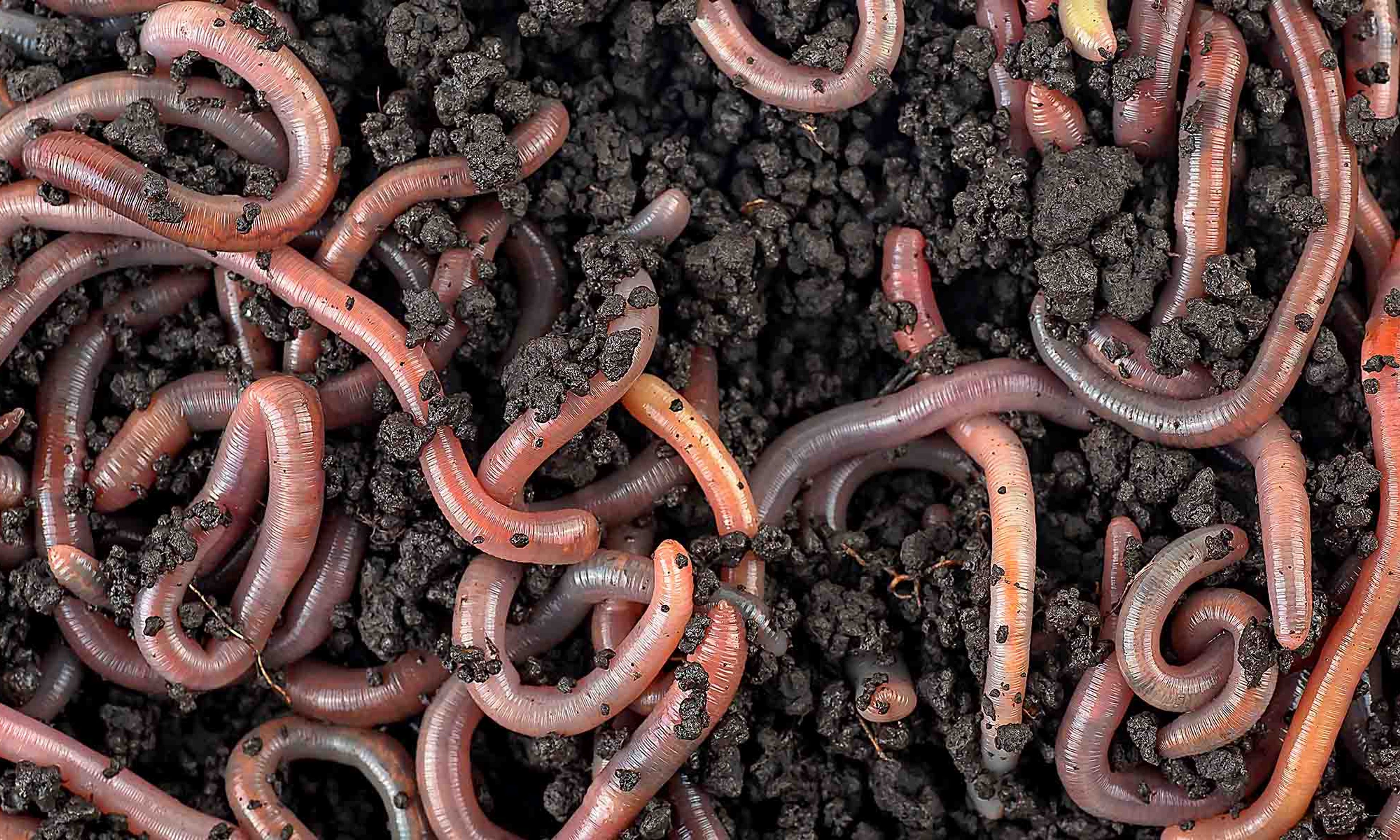
It’s not often that worms make headlines. But this week, a discovery published in PLOS Genetics was unusually attention-grabbing. Roughly 46,000 years ago, a pair of roundworms also known as nematodes were frozen in the Siberian permafrost. Millennia later, they were thawed, wriggled back to life, and even reproduced in a lab before they expired at the end of their natural (days-long) life cycle.
The worms were able to survive extreme conditions by entering a dormant state known as “cryptobiosis.” Teymuras Kurzchalia, a professor involved with the study, said: “The major take-home message or summary of this discovery is that it is, in principle, possible to stop life for more or less an indefinite time and then restart it.”





Comments